
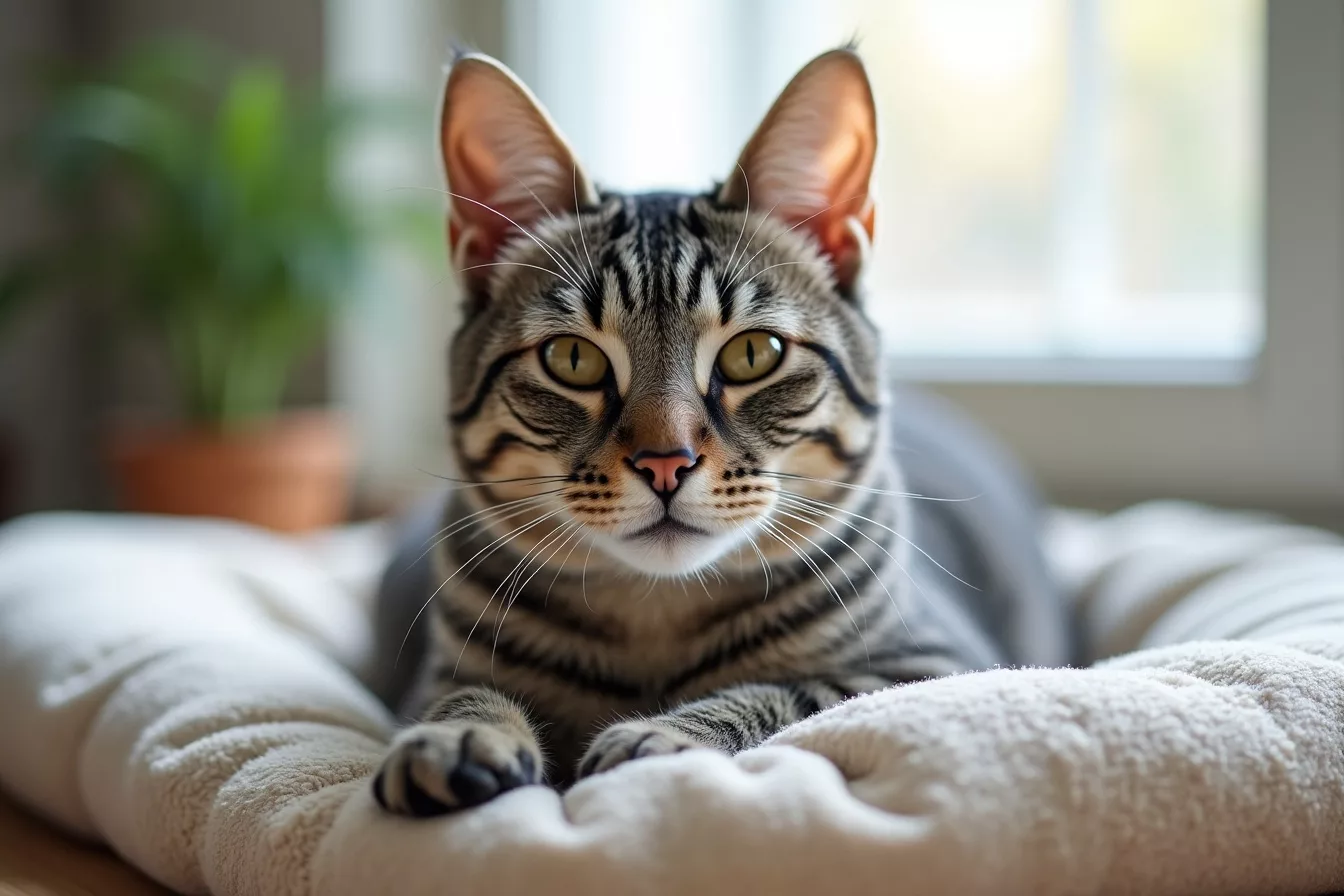

Did you know that one in four cats in the UK is now over the age of 11? A 2025 study by the Royal Veterinary College found that senior cats (aged 10+) experience dramatic physiological shifts every 2-3 years, yet 68% of owners don’t adjust their care routines accordingly. In this article you’ll discover exactly what happens to your ageing cat’s body at each milestone—and the one simple change that vets say makes the biggest difference to quality of life. Spoiler: it’s not what most people think.
📊 Key Figures 2026
- 73% of UK cats over 10 develop arthritis: The British Veterinary Association (2025) reports that joint degeneration accelerates between ages 10-12, often going unnoticed because cats hide pain.
- Senior cats sleep 18-20 hours daily by age 15: This isn’t laziness—it’s their body conserving energy as metabolism slows by up to 40%.
- Kidney disease affects 1 in 3 cats over 12: Early detection through bloodwork can extend life expectancy by 2-4 years.
Sources: BVA, Royal Veterinary College, PDSA 2026
What Happens at Age 10: The First Warning Signs
At 10 years old, your cat enters their senior years—equivalent to a human turning 56. This is when the first invisible changes begin. Their kidneys start losing efficiency, their immune system weakens slightly, and muscle mass begins to decline.
You might notice your cat drinking more water or using the litter tray more frequently. Don’t dismiss this as normal ageing. These are early markers of kidney function decline, which is almost silent in cats.
✅ Expert Tip
Start annual bloodwork at age 10, moving to twice-yearly blood tests at 12+. A baseline kidney (creatinine) and thyroid (T4) panel costs £60-120 but catches disease early. One owner, Bella (a tabby from Manchester), discovered early hyperthyroidism through routine screening at 11—treatment added three healthy years to her life.
Age 12: The Metabolic Shift and Hidden Arthritis
By 12 years old, your cat’s metabolism has slowed dramatically. Thyroid disease becomes common—affecting roughly 1 in 5 senior cats—causing weight loss despite normal eating, or unexpected weight gain. Hyperthyroidism (overactive thyroid) is the most frequent endocrine disorder in older cats.
This is also when arthritis becomes pronounced, though your cat will rarely show obvious limping. Instead, they might struggle jumping onto furniture, avoid stairs, groom less thoroughly (especially the back), or sit in a hunched posture.
⚠️ Warning
If your cat suddenly stops jumping or avoids their favourite high perch, contact your vet within a week. This signals joint pain or, less commonly, neurological changes. Don’t wait—pain medication and mobility support make an enormous difference at this stage.
Environmental modifications matter enormously at 12. Install ramps to raised beds, place litter trays on the ground floor, and ensure food and water bowls are easily accessible without jumping.
Age 15+: Cognitive Changes and Chronic Conditions
At 15 years and beyond, your cat enters their final chapter. Cognitive dysfunction (dementia-like symptoms) appears in roughly 1 in 3 cats this age. You might notice disorientation, calling out at night, or forgetting where the litter tray is.
Chronic kidney disease (CKD) is now the leading cause of death in senior cats. Dental disease also worsens—teeth become loose and painful, affecting appetite and nutrition. Many 15+ year-old cats lose weight not from illness alone, but from difficulty eating.
✅ Expert Tip
Switch to wet food or add water to kibble to ease eating and boost hydration—both critical for kidney support. A 15-year-old cat needs 1.5x the water intake of a younger adult. Consider senior-formula foods lower in phosphorus and sodium, which reduce kidney strain. Blood tests every 3-4 months help monitor progression.
The One Change That Matters Most
Across all three milestones, vets consistently agree on the single biggest intervention: pain management and quality-of-life support, not heroic treatment. NSAIDs (non-steroidal anti-inflammatory drugs) like meloxicam, combined with joint supplements (glucosamine, omega-3s), and environmental comfort measures often outperform expensive interventions.
Your senior cat doesn’t need a perfect home—they need a predictable, pain-free one. Consistency, comfort, and early detection trump everything else.
The surprising truth that emerged from the 2025 Royal Veterinary College study is this: senior cats whose owners caught problems early lived not just longer, but happier. Their final years were active, engaged, and largely pain-free.
Have you noticed any of these changes in your own senior cat? The best time to act is now—before symptoms become severe. Book a senior health check with your vet this month, and you might add years of quality time with your beloved companion.