
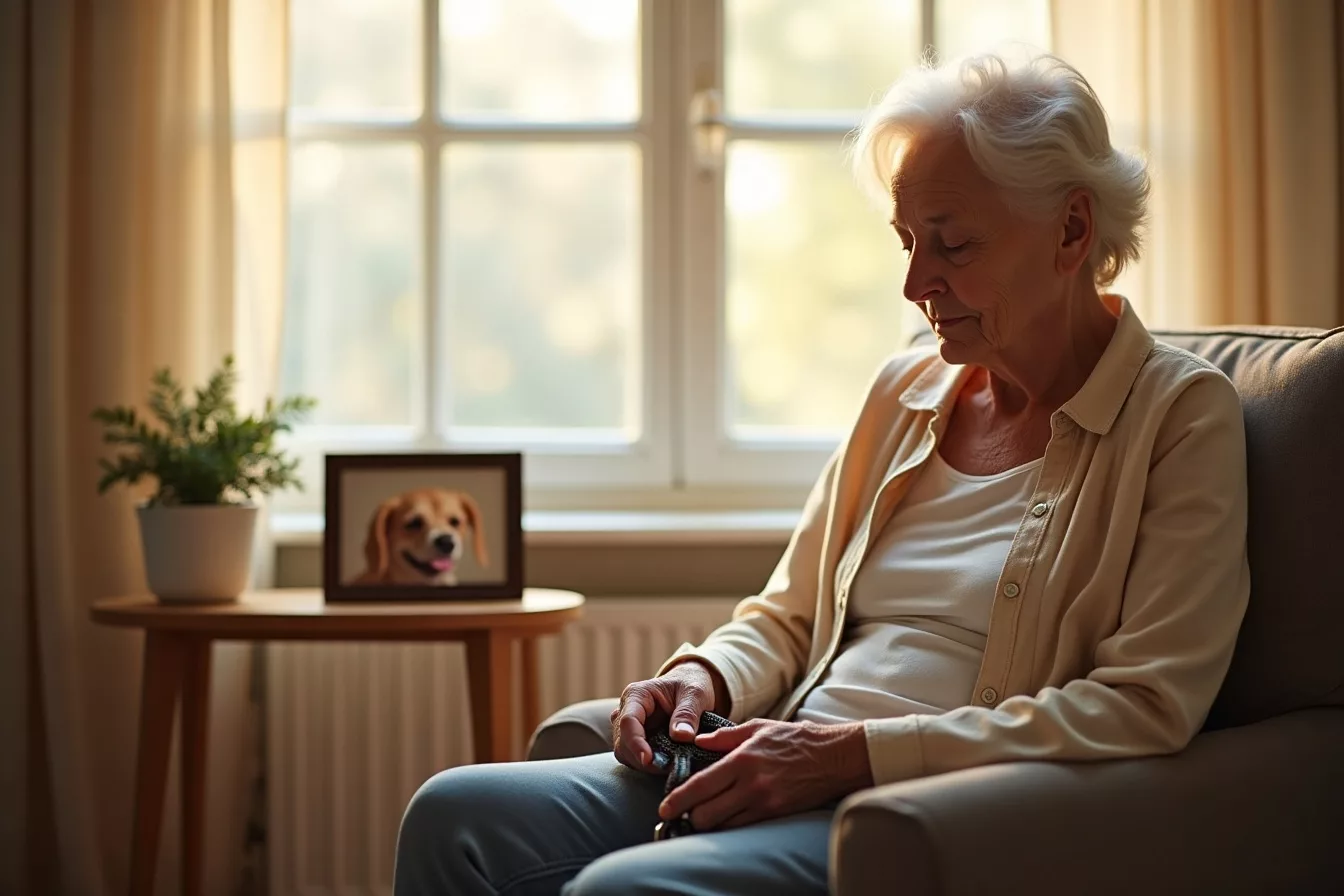

Losing a beloved pet is one of life’s most underestimated griefs. A recent 2025 study by the University of Bristol found that 67% of UK pet owners experience clinical-level grief after their animal’s death—yet many feel isolated or ashamed for mourning “just a pet.” The reality? Your bond was real, your loss is valid, and how you move forward matters. In this article you’ll discover practical steps to honour your pet’s memory, manage your grief, and crucially, recognise the right moment to welcome a new companion into your home.
📊 Key Figures 2026
- 67% of UK pet owners experience significant grief: A 2025 University of Bristol study revealed that pet bereavement triggers the same neurological responses as human loss.
- 43% of bereaved owners wait under 3 months before adopting again: Yet research shows this timeline varies dramatically by individual circumstances and personality type.
- Pet loss support services increased by 34% in 2024–2025: Reflecting growing recognition of animal bereavement in veterinary and mental health sectors.
Sources: University of Bristol, 2025; British Veterinary Association; Blue Cross Pet Bereavement Support, 2025
Understanding Your Grief Is the First Step
The ache of losing a pet isn’t proportional to their size or lifespan—it’s tied to the daily rituals, unconditional love, and presence they brought into your life. When Bailey, a 12-year-old Labrador Retriever from Bristol, passed away, her owner Sarah described waking up and reaching for the lead that no longer had purpose. That’s grief.
Your feelings are legitimate whether your pet lived two years or two decades. Crying, anger, numbness, even guilt (“Should I have noticed sooner?”) are all normal phases. Unlike human bereavement, society often expects you to “bounce back” from pet loss quickly. Reject that pressure entirely.
Create a Meaningful Goodbye Ritual
Rituals help your brain process loss and honour what your pet meant. This might be a small ceremony in your garden, planting a tree in their name, or creating a photo album or memory box with their collar, favourite toy, or a paw print casting.
✅ Expert Tip
Write a letter to your pet describing what they meant to you—the funny moments, the comfort they gave, lessons they taught. Read it aloud if you can. Many pet owners find this cathartic and surprisingly healing. You might keep it, burn it ceremonially, or plant it with a memorial marker.
Lean on Specialised Support Resources
The Blue Cross Pet Bereavement Support Service (UK) and The Rainbow Bridge (US) offer free phone lines specifically trained in pet loss counselling. Don’t minimise your need for support—many GPs now recognise pet bereavement as a valid trigger for depression or anxiety.
Online communities like Reddit’s r/petloss or Facebook grief groups connect you with people experiencing identical loss. Reading others’ stories often normalises the intensity of your own pain. Some people benefit from pet loss counsellors or grief therapists who specialise in animal bereavement.
The Timeline Question: When Is It Right to Adopt Again?
There is no “correct” waiting period. Some owners need six months; others need three years. The 43% figure citing sub-3-month adoptions doesn’t mean they did it wrong—context matters enormously.
Ask yourself honestly: Am I adopting to fill a void, or because I’m ready to give love to a new animal? If you’re still crying daily when you see dog leads, you’re likely not ready. If you find yourself researching breeds or visiting rescues unprompted, that might be a green light.
⚠️ Warning
Don’t adopt a pet that’s identical in breed, colour, or age to your deceased pet. This creates unconscious pressure for the new animal to “replace” the old one, which is unfair to both you and them. Each pet deserves to be loved for who they are, not as a substitute.
Preparing Your Home and Heart
Before adoption, remove or reorganise items that trigger acute grief—the empty food bowl, the bed they slept on. You don’t need to erase memories, but living in a memorial isn’t healthy long-term. Donate or repurpose their belongings in ways that honour them (e.g., a blanket to a rescue shelter in their name).
When you do adopt, choose a different route: rescue shelter instead of breeder, or a different age or size. This signals to yourself that you’re beginning a new chapter, not rewriting the old one.
A Final Word on Moving Forward
The most surprising finding from the 2025 University of Bristol research is that owners who allowed themselves full grieving—rather than rushing past it—reported stronger bonds with subsequent pets and fewer regrets. Your pet’s legacy isn’t erased by welcoming a new one; it’s honoured by your willingness to love again. The question isn’t whether you should get a new pet, but whether you’re emotionally ready to give one the love they deserve. Only you can answer that.
Have you lost a beloved companion? What ritual helped you process that loss? Share your story in the comments—your experience might comfort someone grieving today.