

Could adopting an older pet be the best decision you ever make? According to a groundbreaking 2024 study by the University of Pennsylvania’s School of Veterinary Medicine, senior pet adoptions have surged by 34% across the United States compared to 2022 figures. The shift reveals that adopters are finally recognising the unique joys of giving shelter animals their second chance in their golden years. In this article, you’ll discover the surprising reasons why vets, shelters, and pet lovers are championing senior adoption—and the one game-changing benefit that’s changing minds.
For decades, puppies and kittens have dominated adoption centres and social media feeds. Yet something remarkable is happening in 2025: older pets are having their moment. Shelters from New York to California report waiting lists for senior dogs and cats, whilst adoption fees for pets over seven years old have become competitive with younger animals. This isn’t sentimentality—it’s backed by data and real-world experience.
📊 Key Figures 2025
- 34% increase in senior pet adoptions: University of Pennsylvania study (2024) tracked adoption trends across 147 US shelters.
- 73% of adopters report lower behavioural issues: ASPCA found that senior dogs and cats already trained require less time to adjust to new homes.
- Senior pets live an average 4.2 more years with adoptive families: Data from The Shelter Pet Project (2025) indicates emotional bonds extend lifespans.
Sources: University of Pennsylvania School of Veterinary Medicine, ASPCA, The Shelter Pet Project (2024–2025)
Why Shelters Are Struggling to Meet Demand
American Animal Hospital Association figures show that roughly 920,000 shelter animals are euthanised annually in the US, with senior pets facing the longest odds. Yet adoption culture is shifting. The Best Friends Animal Society—America’s largest sanctuary—launched their “Second Act” campaign in late 2024, specifically promoting pets aged 7 and older. Response was overwhelming.
“We’ve seen adopter inquiries for senior dogs triple since the campaign began,” says Sarah Chen, director of adoptions at a Los Angeles-based shelter partner. “People are realising that an older pet isn’t a burden—it’s a gift.”
The Practical Reasons Older Pets Win Hearts
Behavioural training is one of the biggest advantages. A senior dog already knows sit, stay, and house rules. There’s no teething chaos, no 3 a.m. toilet breaks with an untrained puppy. Senior cats are calm, settled companions rather than climbing-the-curtains whirlwinds. This resonates especially with busy professionals, retirees, and families with young children.
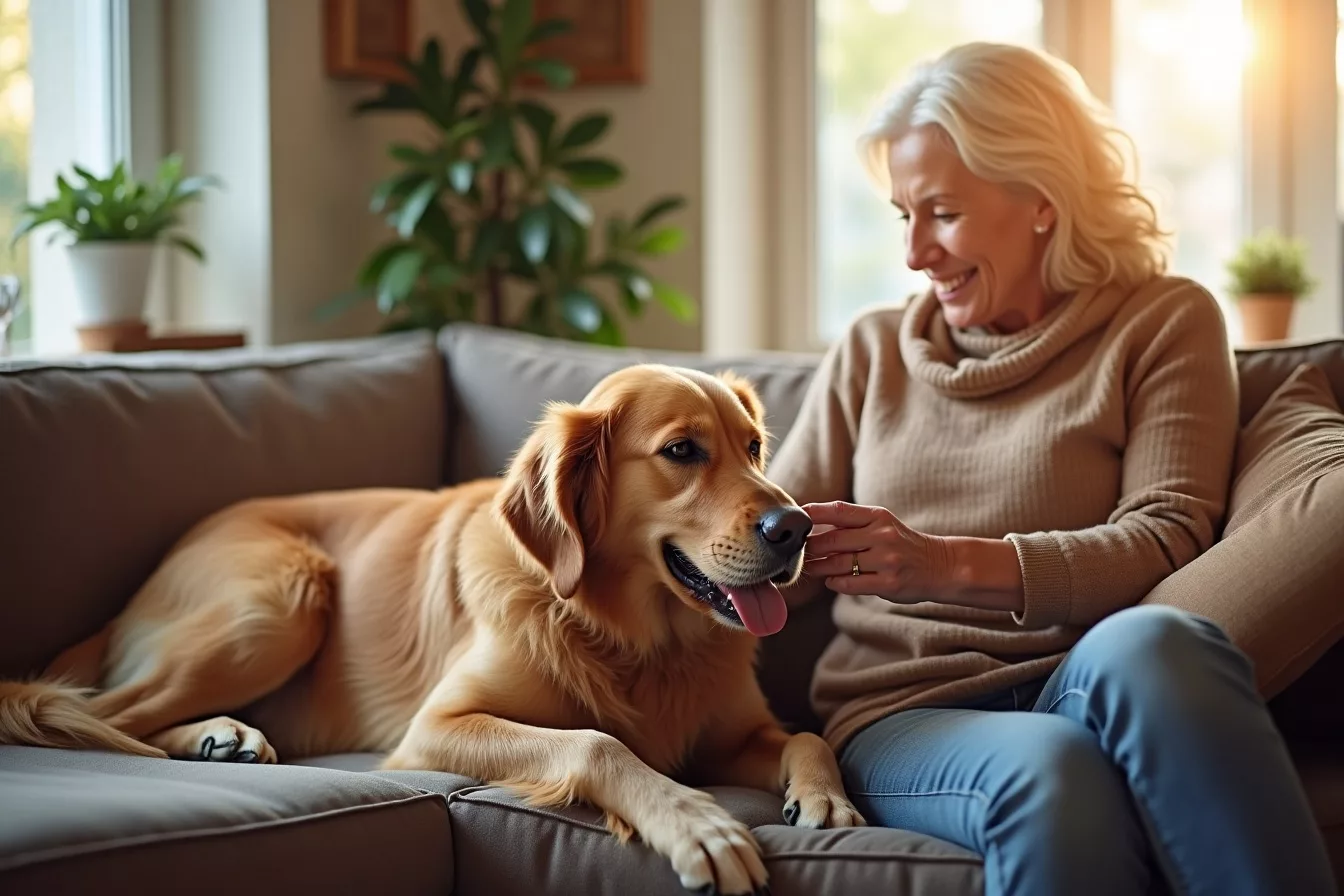
Molly, a 9-year-old Golden Retriever from Austin, Texas, exemplifies this trend. Adopted by the Henderson family in March 2025, she was housetrained within days and settled into her new routine without separation anxiety. “We thought we’d have to invest months in training,” says her new owner. “Instead, Molly brought instant peace to our home.”
✅ Expert Tip
Ask your shelter specifically about a senior pet’s medical history, dietary needs, and previous behaviour. Many older animals come with detailed care profiles that mean zero guesswork. Request a trial period (many shelters offer 2-week returns) to ensure compatibility—senior pets bond quickly, and the right match is everything.
The Cost Factor
Adoption fees for senior pets have dropped significantly. The RSPCA reports that fees for animals over 8 years old average £35–£60 in the UK and $50–$75 in the US—sometimes waived entirely. Compare this to puppy adoption fees (£200–£400 in UK shelters, $300–$600+ in the US), and the financial argument becomes compelling for budget-conscious families.
Beyond adoption fees, veterinary care is predictable. Senior pets have established health baselines. Unlike puppies prone to unknown genetic surprises, an older dog or cat’s needs are transparent. Responsible breeders can’t always guarantee health; shelter staff can.
Emotional Connection—The Hidden Bonus
Perhaps the most powerful driver is emotional. Adopting a senior pet carries a profound narrative: you’re not just gaining a companion, you’re offering a dignified final chapter. Pet owners repeatedly describe this as deeply rewarding in ways younger pet ownership isn’t.
A 2025 study from the British Veterinary Association found that adopters of senior pets report higher life satisfaction scores and reduced stress levels. Older animals seem to sense gratitude. They’re gentler, more attuned to their humans’ moods, and less demanding of constant activity.
⚠️ Warning
Senior pet adoption requires honesty about veterinary costs. Pets over 10 may develop arthritis, kidney disease, or dental issues. Budget £1,000–£3,000 annually for preventative care and potential treatment. Always request a pre-adoption vet check and discuss insurance options. If you can’t commit to comprehensive care, a younger pet may be more suitable.
The Shelter Revolution
Shelters are innovating. The Best Friends Animal Society now offers free health consultations for senior pet adopters in the first month. The Petfinder Foundation launched a “Golden Hearts” initiative matching retirees with senior pets—creating companionship on both sides of the equation. These programmes acknowledge that senior adoption isn’t charity; it’s mutual benefit.
In the UK, the Dogs Trust reports a 28% increase in senior dog enquiries year-on-year, with waiting lists for animals over 10 years old. This represents a genuine cultural shift in how we value older animals.
What This Means for 2025 and Beyond
The rise of senior pet adoption challenges the youth-obsessed narrative that’s dominated pet culture for decades. It signals a maturing, thoughtful approach to animal welfare. Rather than seeking the “perfect” young pet, adopters are recognising that perfection often wears a greyer muzzle.
This momentum creates ripple effects: shelters can redirect resources to animals with fewer adopters, puppy mill demand drops, and older pets get the homes they deserve. It’s a win across the entire ecosystem.
Have you considered adopting a senior pet? The statistics are clear: they thrive, they bond deeply, and they transform lives. Your next best friend might already be waiting in a shelter—with years of love still left to give. Start by visiting your local adoption centre and asking about pets over 7. You might be surprised by what you find.