
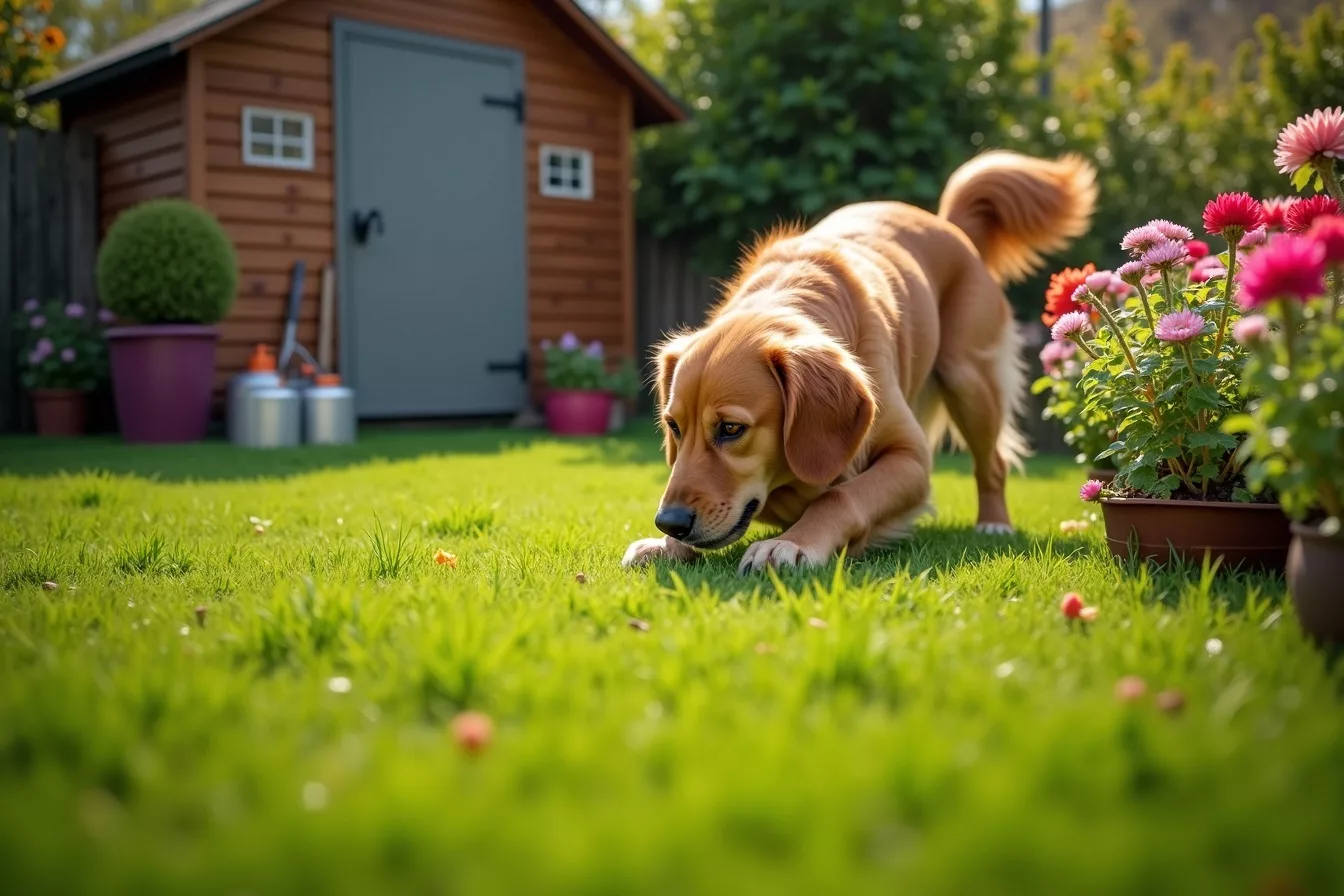

Every spring, emergency vets see a spike in pet poisonings linked to gardening chemicals—but most owners don’t realise the danger until it’s too late. A 2025 Royal Veterinary College study found that pesticide and slug pellet ingestion incidents among UK pets increased 34% year-on-year, with dogs accounting for 71% of cases. In this article you’ll discover exactly which garden products are most toxic, how to spot poisoning symptoms, and the one storage mistake nearly every gardener makes. By the end, you’ll have a toxin-proof spring garden checklist that takes just 15 minutes to implement.
📊 Key Figures 2026
- 8,000+ UK pets attend emergency vets annually after garden chemical exposure (PDSA, 2025)
- 71% are dogs, but cats are 3x more likely to die from the same dose due to liver sensitivity (RVC Study, 2025)
- Metaldehyde slug pellets are the single most common toxin reported in spring months—affecting pets within 30 minutes of ingestion
Sources: PDSA, Royal Veterinary College, 2025
Why Spring Is Peak Danger Season for Pets
Spring gardening fever coincides with the exact time your dog or cat is most curious about the garden. Longer daylight hours mean more time outdoors, and fresh digging exposes buried products that winter rain has broken down into smaller, tastier-seeming fragments.
Puppies and kittens are especially at risk—they’re still learning what’s food and what isn’t. But even cautious adult pets can be poisoned by a single mouthful of the wrong product.
The Top 5 Garden Toxins That Poison Pets
1. Slug Pellets (Metaldehyde & Iron Phosphate)
Slug pellets kill more UK pets in spring than any other garden chemical. Metaldehyde pellets are bright blue or green—visually interesting to curious pets. A dog can be poisoned by eating just a handful.
Symptoms appear within 30 minutes: excessive drooling, muscle tremors, rapid breathing, and hyperthermia (dangerously high body temperature). Without urgent vet treatment, seizures and death follow within hours.
Iron phosphate pellets are marginally safer but still pose a risk if ingested in large quantities, particularly for smaller animals.
2. Insecticides & Fungicides (Neonicotinoids)
Modern insect sprays, rose fertilisers, and lawn treatments often contain neonicotinoids—chemicals that affect the nervous system. Pet poisoning can occur through skin contact or ingestion of treated grass or plants.
Signs include confusion, weakness, excessive salivation, and tremors. Cats are especially sensitive to these compounds.
3. Cocoa Mulch
Cocoa shell mulch smells like chocolate to dogs—and it contains theobromine, the same toxin found in dark chocolate. One 10kg bag contains enough theobromine to poison a small dog.
Symptoms of chocolate toxicity include vomiting, diarrhoea, hyperactivity, and in severe cases, abnormal heart rhythms. Always use pet-safe mulch instead: shredded pine bark, hardwood chips, or untreated wood shavings.
4. Herbicides (Glyphosate)
Weedkillers like Roundup are sprayed on lawns and driveways in spring. Pets walking on treated grass absorb glyphosate through their paw pads, leading to gastrointestinal upset, kidney damage (in chronic exposure), and potential links to certain cancers in long-term studies.
5. Fertilisers & Blood Meal
Organic fertilisers like bone meal, blood meal, and fish emulsion smell appetising to dogs. They’re less toxic than slug pellets but can cause pancreatitis, blockages, and gastrointestinal upset if eaten in large quantities.
✅ Expert Tip
Store all garden chemicals in a locked shed or garage on a high shelf—not on the floor in paper packaging. Pets can chew through cardboard. Use clear plastic containers with waterproof labels and dates. Luna, a Border Collie from Bristol, was poisoned after her owner left slug pellets in an open cardboard box on the potting bench. She recovered after 48 hours of intensive treatment costing £3,200. The shed lock cost £12.
What to Do if Your Pet Eats Garden Chemicals
Time is critical. If you suspect your pet has ingested pesticides, slug pellets, or toxic mulch, do not wait for symptoms to appear.
⚠️ Warning
Contact your vet or the Animal Poison Control Centre (APCC: 01202 509 000, UK) immediately. Bring the product packaging with you—vets need exact ingredient information. Do NOT induce vomiting unless instructed by a vet. Some toxins cause more damage coming back up. Metaldehyde poisoning requires emergency hospitalisation, IV fluids, temperature management, and seizure control. Survival rates drop significantly if treatment is delayed beyond 4 hours of ingestion.
Your Spring Garden Pet-Safety Checklist
Before you dig:
✓ Swap slug pellets for beer traps, copper tape, or barriers (these work just as well)
✓ Replace cocoa mulch with wood chip or shredded bark
✓ Use organic, pet-safe fertilisers only (blood meal is riskier than compost)
✓ Choose herbicide-free weed control: hand-pull, cardboard mulch, or vinegar sprays
✓ Install raised beds and fenced vegetable patches if your dog is a digger
✓ Keep garden tools, pots, and untreated soil stored securely
✓ Ask visiting gardeners or landscapers what they’re using—request pet-safe alternatives
✓ Never leave sprayers, bottles, or packets unattended during application
The Hidden Danger: Spring Bulbs & Plants
Beyond chemicals, remember that daffodils, tulips, lilies, and foxgloves are genuinely toxic. Lily pollen alone can cause fatal kidney failure in cats. Keep pets away from newly planted beds where bulbs are exposed.
Compost heaps are another overlooked hazard—decomposing food can ferment and produce ethanol, poisoning pets who chew or dig.
The single most surprising fact most owners miss? Metaldehyde toxicity is considered untreatable—vets can only provide supportive care (cooling, fluids, seizure control) and hope the pet survives the initial 12–24 hours. Prevention is genuinely your only option.
This spring, take 15 minutes to audit your shed and garden plan. Have you noticed your pet eating or licking plants before? Share your garden safety wins in the comments—let’s keep every pet safe this season.