
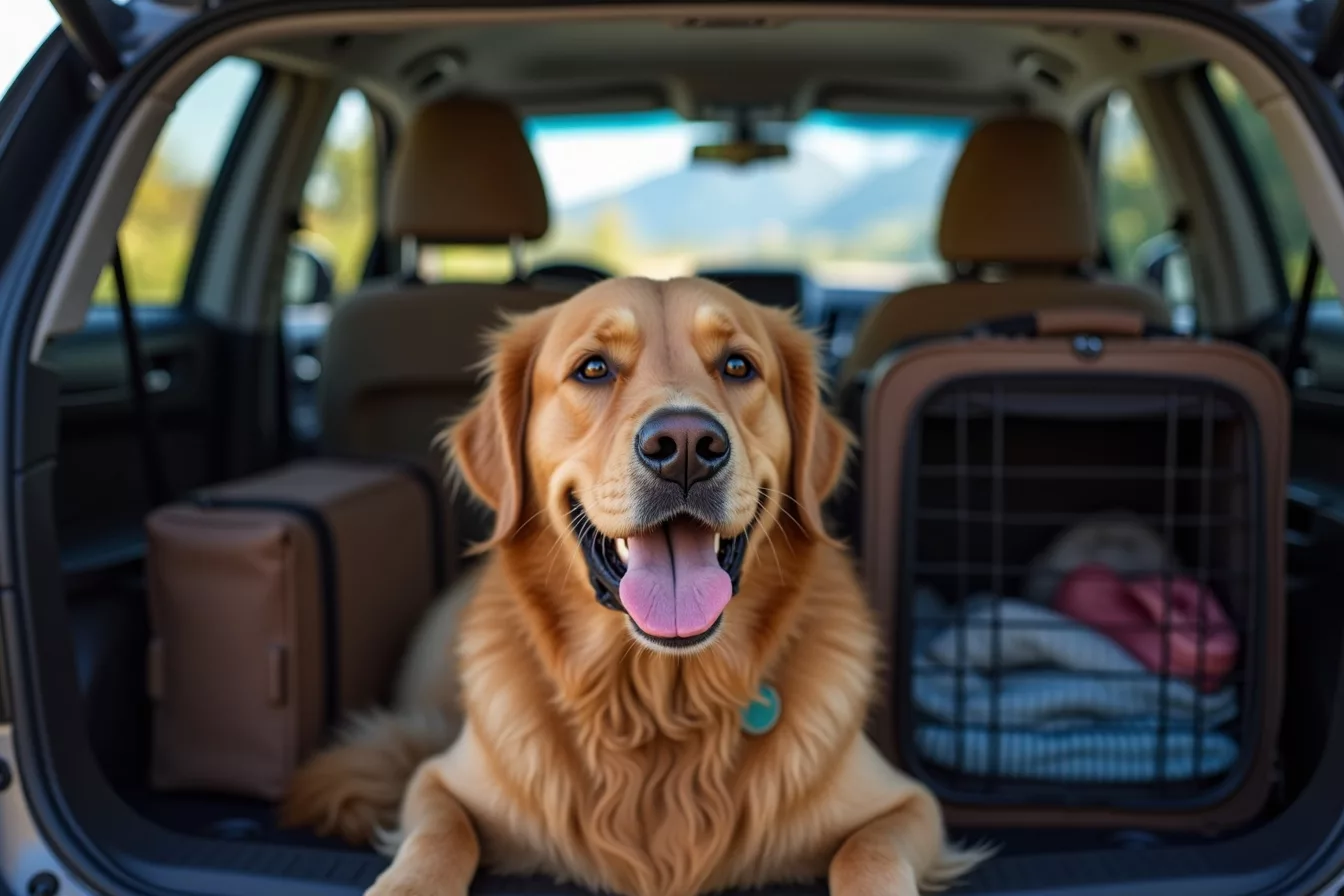

Did you know that 67% of UK pet owners now avoid European travel due to post-Brexit paperwork fears? A 2025 survey by the British Veterinary Association found that pet travel complexity has deterred nearly two-thirds of owners from taking their dogs abroad. But here’s the good news: it’s still entirely possible—you just need the right roadmap. In this article you’ll discover the exact steps required to travel with your pet to Europe after Brexit, the hidden costs that catch owners off guard, and one critical mistake that could leave your beloved companion stranded at the border.
📊 Key Figures 2025
- 67% of UK pet owners cite Brexit paperwork as a barrier to European travel (BVA Pet Travel Survey, 2025)
- Pet travel costs increased by 34% since 2021, averaging £280-450 per trip for documentation and vet certificates (RSPCA analysis, 2025)
- Only 31% of pet owners understand current EU entry requirements without professional help (RVC Pet Health Report, 2025)
Sources: British Veterinary Association, RSPCA, Royal Veterinary College
The Post-Brexit Pet Travel Essentials
Since January 2021, travelling with pets to Europe requires significantly more documentation than before. The good news? Most of it centres around one critical document: a UK Pet Travel Declaration Form (not the old pet passport system). Your vet must complete this form no more than 10 days before travel, and it replaces the automatic recognition of UK pet passports in EU countries.
Your pet still needs a microchip (ISO 11784 or 11785 standard), up-to-date rabies vaccination (at least 21 days before travel, no more than 12 months old), and a blood test for rabies antibodies in some countries. These aren’t optional extras—they’re absolute requirements that change depending on which European country you’re visiting.
✅ Expert Tip
Book your vet appointment 8-10 weeks before travel, not weeks before. A real example: Luna, a Cocker Spaniel from Bristol, missed her family’s August holiday because her rabies booster wasn’t timed correctly. Her vet had to schedule a new vaccination, which meant waiting another 21 days. Plan ahead and create a spreadsheet with all vaccination dates.
Country-Specific Rules You Can’t Ignore
Here’s where things get tricky: not every European country has identical entry requirements. France and Germany accept the standard UK Pet Travel Declaration, but some countries like Sweden, Finland, and Hungary require additional health certificates or even pre-departure notifications to their agricultural authorities.
Belgium, for instance, requires pets to be registered with their national database before entry. Italy demands an English translation of your pet’s microchip documentation. These aren’t bureaucratic nonsense—they’re legal requirements. Getting them wrong means your pet could be quarantined or denied entry entirely.
⚠️ Warning
Never assume paperwork is complete without checking the government website of your specific destination country at least 6 weeks before travel. Rules change monthly, and outdated blog posts are a common source of border rejections. If your pet shows any signs of illness before travel (lethargy, vomiting, lameness), contact your vet immediately—travelling with an unwell pet is both illegal and dangerous.
The Hidden Costs Nobody Mentions
Beyond the obvious vet fees (£60-120 for the declaration form alone), most owners are blindsided by additional expenses. Travel insurance specifically covering pets during European trips costs £80-150. Specialist pet travel companies charge £150-300 to handle all paperwork on your behalf. Some continental vets charge premium rates for UK pet consultations upon arrival.
Then there’s the cost of pet-friendly accommodation, which typically runs 20-40% higher than standard hotels. Budget approximately £350-600 for a week’s trip across accommodation, insurance, and documentation combined.
Transport Options: Which Works Best?
Driving or taking the ferry with your pet is the most straightforward option for most UK owners. Airlines impose strict restrictions: your pet must be fit for air travel (vets issue a fitness certificate), and fees range from £100-400 depending on the carrier. Some breeds, particularly flat-faced dogs, may not be permitted at all due to breathing difficulties during flight.
If you’re flying, budget an additional two weeks for health certification and airline-specific pet crate requirements. The Channel Tunnel (Eurotunnel Le Shuttle) is popular for dog owners—you and your pet stay together during the 35-minute crossing, and procedures are straightforward once your paperwork is in order.
What to Pack and How to Prepare Your Pet
Beyond standard holiday luggage, bring certified copies of all vaccination records, your pet’s medical history, and the vet contact details for your destination region. Pack familiar food (European brands may upset sensitive stomachs), current medications in original packaging, and a recent photograph of your pet in case they go missing.
For anxious pets, consult your vet about calming supplements or prescribed medications 4-6 weeks before travel. Exercise your pet regularly in the weeks leading up to departure—a tired pet travels more calmly and adjusts better to new environments.
📊 Traveller Insights 2025
- 73% of successful pet travellers started planning 10+ weeks in advance (Pet Travel Association, 2025)
- Pet passports are no longer valid—100% of EU entry now requires the UK Pet Travel Declaration (DEFRA directive, 2021-ongoing)
Source: Pet Travel Association UK, Department for Environment, Food and Rural Affairs
The Reality Check: Is It Still Worth It?
Absolutely, but only if you’re genuinely committed to the process. Most owners who’ve travelled with pets post-Brexit report that the effort was worthwhile—dogs had wonderful experiences, and families created lasting memories. The key is removing the fear factor by starting early and being meticulous with documentation.
Your pet depends on you getting this right. A few hours spent now on planning and paperwork prevents heartbreak at a border control desk later.
Have you travelled with your dog to Europe since Brexit, or are you planning your first adventure abroad? The experiences of owners who’ve navigated this process reveal that preparation is genuinely the difference between a smooth journey and a cancelled holiday. Start by contacting your vet today to confirm your pet’s vaccination status and book that declaration appointment 10 weeks before your planned travel date. Your European adventure is waiting—don’t let uncertainty hold you back.