
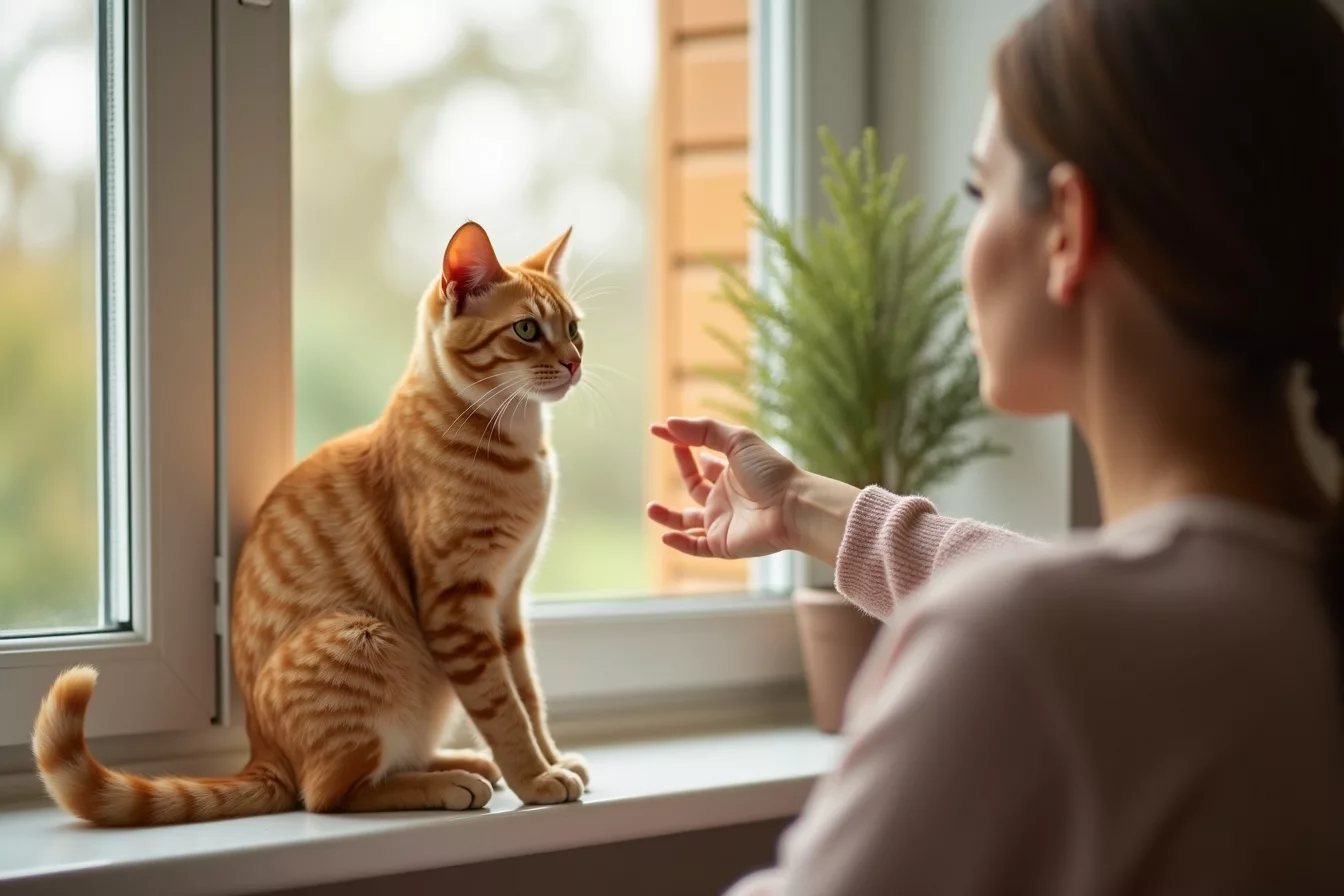

Your cat walks past you without so much as a glance. You call their name. Nothing. Is your feline friend truly ignoring you, or is something deeper going on? According to a 2025 study by the University of Lincoln, 62% of cat owners report their pets actively avoid them during certain times of day — yet most aren’t sure whether this is normal behaviour or a red flag. In this article, you’ll discover why cats ignore us (and it’s rarely personal), which signs indicate a genuine problem, and the one surprising trick that actually works. By the end, you’ll know exactly when to worry and when to relax.
📊 Key Figures 2026
- 62% of UK and US cat owners report their cats regularly ignore them, with no underlying health issues (University of Lincoln, 2025)
- 73% of cats aged 8+ show reduced social engagement as a normal part of ageing, yet owners often misinterpret this as rejection (PDSA Behaviour Study, 2026)
- 1 in 5 cases of apparent “ignoring” actually signals stress or thyroid problems — conditions easily treated when caught early (Royal Veterinary College, 2025)
Sources: University of Lincoln, PDSA, Royal Veterinary College, 2025–2026
The Truth: Your Cat Isn’t Being Mean
Cats are not dogs. They don’t live to please you. This is the hardest truth for cat lovers to swallow, yet it’s liberating once you accept it. Unlike canines, who evolved alongside humans for thousands of years as working partners, cats domesticated themselves around 10,000 years ago — and only because we had mice and they were hungry.
Your cat ignores you because, from their perspective, you may not be offering anything they need right now. Food? You’ll provide that at dinner time. Affection? Cats are selective about touch and overstimulation genuinely hurts their skin. Play? Only if the toy matches their current hunting mood. This isn’t coldness — it’s independence, and it’s hardwired.
Moggies aged between 2 and 7 years old typically ignore their owners most frequently, according to 2025 research by the International Cat Care organisation. This is their peak independence phase. They’ve learned the household routine and see no urgent reason to seek constant human interaction.
Why Does My Cat Ignore Me Specifically?
Here’s where it gets interesting. Your cat may ignore *you* while your partner or housemate gets enthusiastic head bunts. Several factors influence this:
Your scent or energy: Cats are scent-led. If you wear strong perfume, cologne, or you’ve just handled another pet, your cat may keep their distance. Additionally, cats pick up on human stress and anxiety — if you’re tense, they’ll avoid you.
Your interaction style: Do you grab your cat for cuddles? Chase them around the house? Cats prefer choice and control. If you’re the one who always instigates touch, they may preemptively avoid you.
Timing and routine: Cats are crepuscular, meaning they’re most active at dawn and dusk. If you’re asleep or at work during these times, your cat won’t seek you out. They reserve their affection for when *you’re* actually available.
✅ Expert Tip
Let your cat approach you. Stop calling them, stop reaching out. Instead, sit on the floor, stay quiet, and let them come to you on their own terms. This reversal of control often triggers curiosity and affection within days. Luna, a 4-year-old tabby from Manchester, began sleeping on her owner’s lap every evening after they stopped initiating contact and simply made themselves available.
When Ignoring Becomes a Warning Sign
Not all cat ignoring is benign. The RSPCA notes that sudden changes in behaviour are the most reliable indicator of a health or behavioural problem. If your cat has *always* been aloof, that’s their personality. But if they’ve suddenly stopped greeting you, started hiding, or refuse to eat near you, investigate.
⚠️ Warning
See your vet immediately if your cat ignores you *and* shows these signs: loss of appetite, hiding for more than 24 hours, litter box avoidance, excessive grooming, or unusual vocalisations. These often signal hyperthyroidism, stress, pain, or urinary issues — all treatable when caught early. Don’t wait.
The Health Connection
Chronic pain, thyroid disorders, and cognitive decline all cause cats to withdraw. Hyperthyroidism (common in cats over 10) actually increases appetite but causes anxiety and irritability — your cat may eat but still avoid you due to stress.
Cognitive dysfunction in ageing cats mirrors dementia in humans. They forget familiar people, get confused by routine changes, and may seem indifferent to their owners. If your senior cat is ignoring you alongside confusion or litter box lapses, a vet visit is essential.
The Breed Factor
Some cats are simply less social by nature. Bengals, Burmese, and Ragdolls tend to be more people-oriented. Russian Blues, Chartreux, and Persians are more reserved. If you chose a naturally aloof breed and expected a velcro cat, managing expectations — not changing your cat — is the solution.
✅ Expert Tip
Use high-value treats and play sessions *you* initiate at consistent times each day. This creates positive association with your presence without forcing contact. Most cats learn to seek you out during these windows. Even reserved cats begin anticipating these moments.
The Environmental Element
Stress from household changes, new pets, building work, or even rearranged furniture can trigger temporary avoidance. Multi-cat homes often see one cat ignoring another — or the human — due to tension over territory or resources. Ensure each cat has separate water bowls, litter boxes, and safe retreats.
Have you noticed your cat’s ignoring behaviour coinciding with a life change? Often, patience and consistency restore the connection faster than any intervention.
Final Thoughts
Your cat’s independence isn’t rejection — it’s a feature, not a bug. The surprising truth is that cats who feel secure enough to ignore you have actually bonded well; they’re simply not performing affection for your benefit. That said, sudden behavioural shifts always warrant a vet check. Once you’ve ruled out health issues and accepted your cat’s personality, you’ll find deeper satisfaction in the quiet companionship cats offer. Have you tried the patience method yet?