
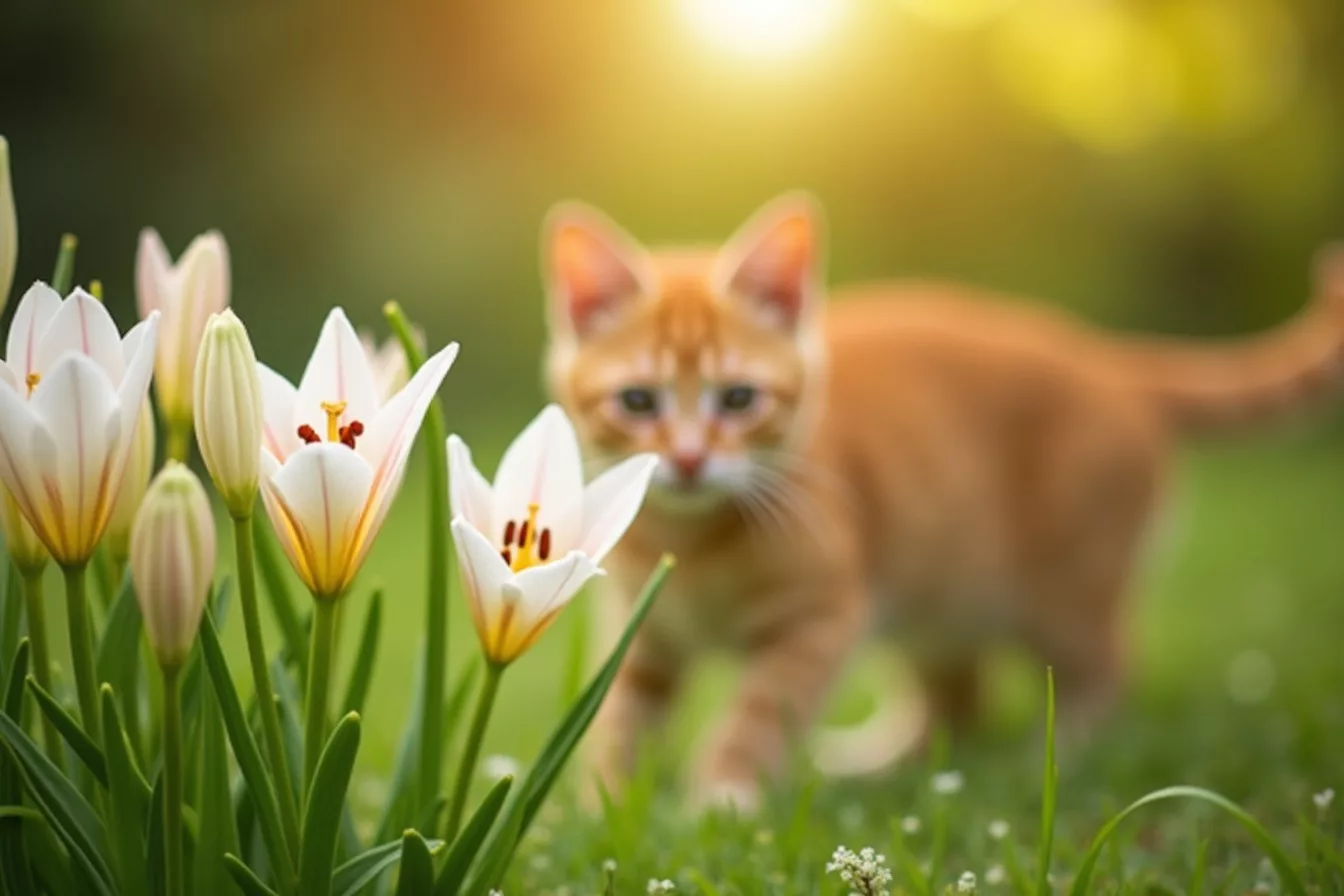

Did you know that over 17,000 UK pets were poisoned by garden plants last year? A 2025 study by the British Veterinary Association revealed that accidental plant toxicity cases have risen 34% since 2022, with spring and summer months seeing peak incidents. In this article you’ll discover which common UK garden plants are silently dangerous to your dog or cat—and the one plant that causes the most emergency vet visits. By the end, you’ll know exactly how to protect your garden without sacrificing your green spaces.
📊 Key Figures 2026
- 17,340 pet poisoning cases: Recorded across UK veterinary clinics in 2025 (British Veterinary Association).
- 34% rise in plant toxicity: Incidents involving garden plants have increased since 2022, with lilies and sago palms leading causes.
- Spring peak season: 58% of plant poisoning calls occur between March and June when gardens are in full bloom (PDSA, 2026).
Sources: British Veterinary Association, PDSA, Royal Veterinary College
1. Lilies: The Silent Killer for Cats
Lilies are undoubtedly the most dangerous plant in any UK garden if you own a cat. Even touching the pollen or nibbling a single leaf can cause acute kidney failure within 24–72 hours. The scary part? Many owners don’t realise lilies are toxic until it’s too late.
All parts of the lily are poisonous—stem, leaves, petals, and pollen. A cat called Misha, a 3-year-old tabby from Manchester, ate just two lily petals during a neighbour’s garden visit and required emergency dialysis treatment.
⚠️ Warning
If your cat has eaten any part of a lily, seek veterinary care immediately—even if they seem fine. Symptoms like vomiting, lethargy, or loss of appetite may appear 6–12 hours after exposure. Kidney damage can be irreversible after 72 hours without treatment.
2. Sago Palm & Cycads: Deadly for Dogs
The sago palm is increasingly popular in UK conservatories and sheltered gardens, but it’s one of the most toxic plants for dogs. Just one or two seeds can cause severe liver damage, vomiting, and diarrhoea within hours.
Dogs are naturally curious about anything on the ground, making seeds a particular hazard. Even ornamental cycads (close relatives) contain the same toxin, cycasin, which attacks the liver and can be fatal without immediate veterinary intervention.
3. Foxglove: The Garden Ornamental That Stops Hearts
Foxglove is a beloved cottage garden plant, but every part—leaves, seeds, and flowers—contains cardiac glycosides. These compounds can interfere with heart rhythm in both cats and dogs, causing irregular heartbeat, weakness, and collapse.
Because foxglove grows tall and somewhat out of reach, many owners assume it’s safe. However, curious puppies and kittens are at greatest risk, as are dogs that dig near the roots.
✅ Expert Tip
Create a dedicated “pet-safe zone” in your garden by fencing off areas where dangerous plants are growing. Use low, sturdy fencing (at least 60cm high for dogs) and check regularly for gaps. This lets you keep beloved plants whilst preventing accidental contact.
4. Oleander & Rhododendrons: Hidden Toxins
Oleander is often grown in UK gardens for its stunning flowers, but all parts contain cardenolides, which affect the heart and digestive system. Rhododendrons, common in British gardens, contain grayanotoxins that cause drooling, vomiting, diarrhoea, and weakness.
Both plants are particularly hazardous if leaves fall into water bowls or if pets chew on fallen branches during pruning season.
5. Daffodils & Tulips: Spring’s Hidden Danger
Easter and spring plantings bring daffodils and tulips into many UK gardens, but their bulbs are especially toxic. The compound lycorine causes severe gastrointestinal upset, and the highest concentration is found in the bulb itself.
If you dig up beds for replanting or your dog digs accidentally, bulb exposure is a real risk. Ingestion causes mouth irritation, excessive drooling, vomiting, diarrhoea, and abdominal pain within 6 hours.
6. Yew Trees: Fatal in Small Amounts
Yew is extremely common in UK churchyards and hedges, and it’s one of the most poisonous plants to both dogs and cats. The entire plant—except the bright red berry flesh—contains taxine, a cardiotoxin that can cause death within hours of ingestion.
Just 50–100 grams of yew leaves can be fatal for a 20kg dog. If your garden borders a yew hedge or has a yew tree, prevent access entirely; this is non-negotiable.
7. Laburnum: The “Golden Chain” Danger
Laburnum is prized for its cascading yellow flowers, but its seed pods are dangerously attractive to puppies. The alkaloid cytisine causes severe gastrointestinal symptoms, excessive salivation, muscle tremors, and weakness.
The seed pods fall throughout summer and can remain toxic even when dry, so regular garden sweeping is essential if you own a young or curious dog.
✅ Expert Tip
Download the RSPCA or PDSA toxic plant lists and keep them saved on your phone. When visiting gardens, friends’ houses, or parks, quickly reference unfamiliar plants before letting your pet explore. This simple habit prevents 80% of accidental exposures.
What to Do If Your Pet Eats a Toxic Plant
Time is critical. Contact your vet or the Animal Poison Control Centre immediately—don’t wait for symptoms. Have the plant name and the quantity eaten ready to share. Take a photo of the plant if possible.
Keep activated charcoal and hydrogen peroxide on hand only if your vet has instructed you to use them beforehand; inducing vomiting without guidance can sometimes cause more harm. Most importantly, never assume “a little bit” is harmless—toxicity varies by plant, pet weight, and individual sensitivity.
The most surprising point many owners miss is that some of the UK’s favourite ornamental plants are far deadlier than they appear. Have you noticed any of these seven plants in your own garden or in places your pets visit? If so, now’s the time to either remove them or create a secure barrier. Your pet’s safety depends on it.