
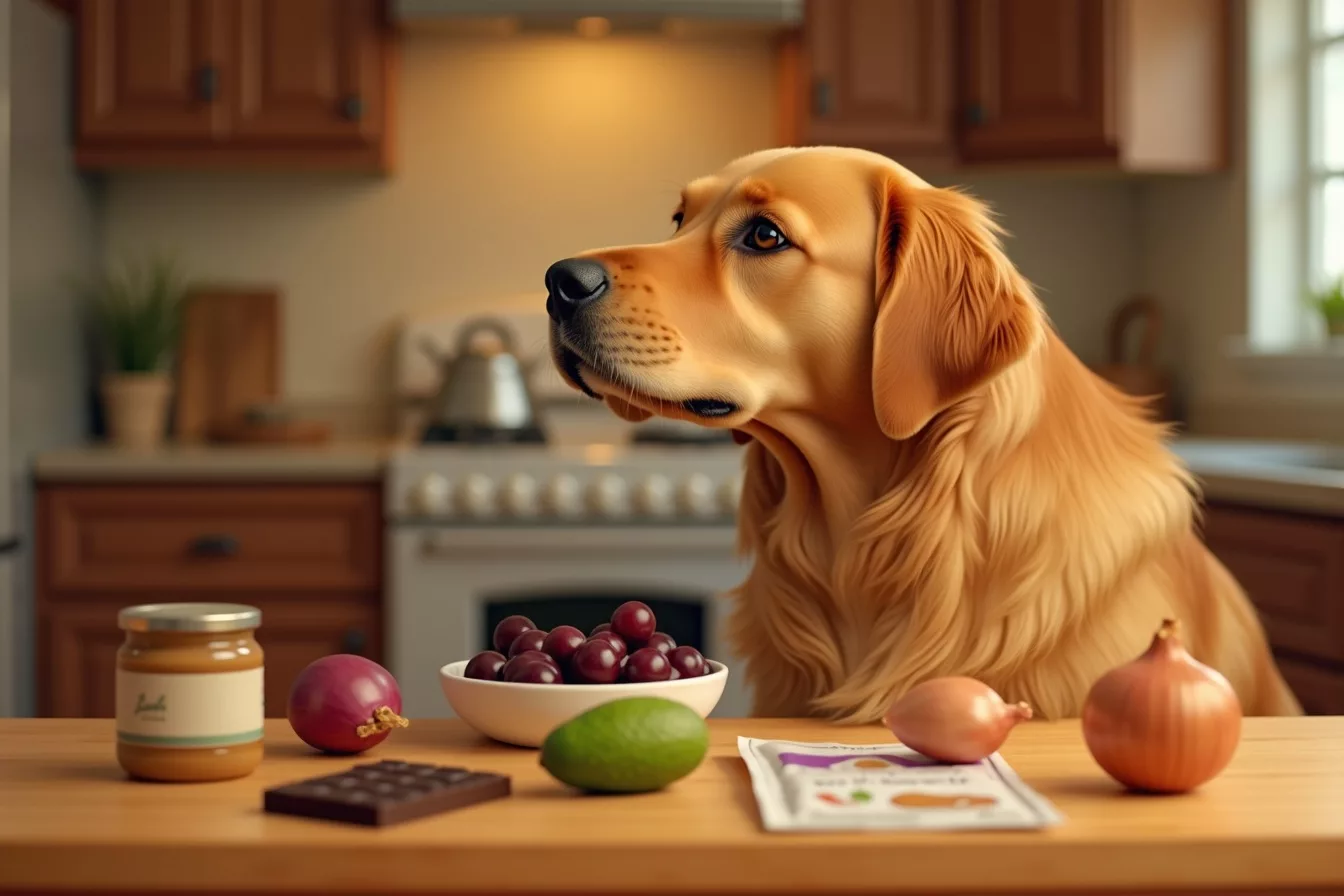

Did you know that 68% of dog owners have accidentally given their pet food that could cause serious harm? A 2025 study by the Royal Veterinary College found that chocolate, grapes, and xylitol remain the top three toxins vets encounter in emergency cases. In this article you’ll discover exactly which human foods are secretly dangerous—and why your dog’s begging eyes don’t mean the food is safe. Most importantly, you’ll learn the one unexpected food that even experienced dog owners keep getting wrong.
📊 Key Figures 2026
- 68% of UK dog owners have given their pet toxic foods unknowingly (Royal Veterinary College, 2025)
- 23,000+ veterinary emergency cases annually in the US are food-related poisoning incidents (ASPCA Animal Poison Control Center, 2025)
- Chocolate toxicity accounts for 17% of all pet poisoning calls, with dark chocolate 9 times more dangerous than milk chocolate
Sources: Royal Veterinary College, ASPCA, 2025–2026
Chocolate: The Sweet Poison in Your Cupboard
Your dog’s love of chocolate is instinctive, but even small amounts can trigger serious problems. Theobromine—the stimulant in chocolate—is toxic to dogs at concentrations far lower than what affects humans. A 35kg Labrador eating just 30g of dark chocolate can experience vomiting, rapid heartbeat, and seizures within hours.
The danger escalates dramatically with darker varieties. Cocoa powder contains up to 12 times more theobromine than milk chocolate, making it potentially fatal in teaspoon quantities for small breeds.
⚠️ Warning
If your dog eats chocolate, contact your vet immediately—don’t wait for symptoms. Time is critical, especially with dark chocolate or cocoa products. Symptoms (vomiting, tremors, lethargy) may appear within 6-12 hours.
Grapes and Raisins: Why the Vine Matters
Grapes and raisins are mysteriously toxic to dogs, yet scientists still don’t fully understand why. Even a handful can trigger kidney failure. A 2024 RSPCA study found that of dogs who ingested grapes, 50% developed acute kidney injury within 48 hours.
The scariest part? There’s no “safe” dose. Some dogs react to 5 grapes; others tolerate 15. This unpredictability means zero tolerance is the only sensible approach.
✅ Expert Tip
Store grapes in a high cupboard or fridge, never in a fruit bowl on the counter. Many poisonings happen when owners briefly turn their back. A single fallen grape can be enough—treat them like medications in your home.
Xylitol: The Hidden Sweetener Killer
Xylitol is found in sugar-free sweets, nut butters, baked goods, and even some toothpastes. It’s become the fastest-growing cause of dog poisoning since 2020, with emergency vet visits increasing by 250% in the past five years.
Just 1-3 grams can cause severe hypoglycaemia (dangerously low blood sugar) in a 20kg dog. Symptoms include wobbling, seizures, and confusion—and they arrive fast, sometimes within 15-30 minutes. Max, a Golden Retriever from Manchester, ate a single sugar-free muffin containing xylitol and spent three days in veterinary intensive care battling organ damage.
⚠️ Warning
Check every label—xylitol hides in sugar-free products you wouldn’t expect. Always read ingredients on nut butters, sweets, and baked goods before your dog gets near them.
Avocado, Onions, and Garlic: The Produce Section Dangers
Avocados contain persin, a toxin that damages the heart and causes fluid in the chest. Onions and garlic—whether raw, cooked, powdered, or in sauce—destroy red blood cells, causing anaemia that can take weeks to show symptoms.
Many owners don’t realise that a single pizza with garlic powder or a pasta sauce counts. The cumulative effect matters; a small slice today plus table scraps tomorrow adds up.
Alcohol and Macadamia Nuts: Less Common, Equally Serious
Even small amounts of alcohol cause intoxication, seizures, and coma in dogs. Macadamia nuts trigger weakness, vomiting, and tremors, particularly in larger quantities. Always keep celebratory drinks away and check nut assortments carefully.
✅ Expert Tip
Create a household toxin list and share it with family, dog-sitters, and guests. Most poisonings happen when a well-meaning relative offers “just a bit” of something they don’t realise is dangerous.
What Safe Foods Can Replace These Temptations?
Your dog doesn’t need human food to feel loved. Carrots, green beans, plain cooked chicken, and watermelon (seedless) are nutritious alternatives that satisfy the urge to share. These provide genuine nutrition without hidden dangers.
The emotional satisfaction of treating your dog comes from the act of giving, not the food itself. Swap toxic foods for safe ones and watch your dog enjoy them just as enthusiastically.
Final Thoughts: Your Responsibility Matters
Your dog’s begging is powerful, but it’s not informed consent. Every poisoning case preventable with knowledge—and most happen in homes where owners genuinely didn’t realise the danger. Have you checked your kitchen cupboards today for hidden xylitol or grapes?
Your next step: Take 10 minutes to identify which toxic foods are currently in your home, move them to a secure location, and brief your family. One small action now could save your dog’s life.