
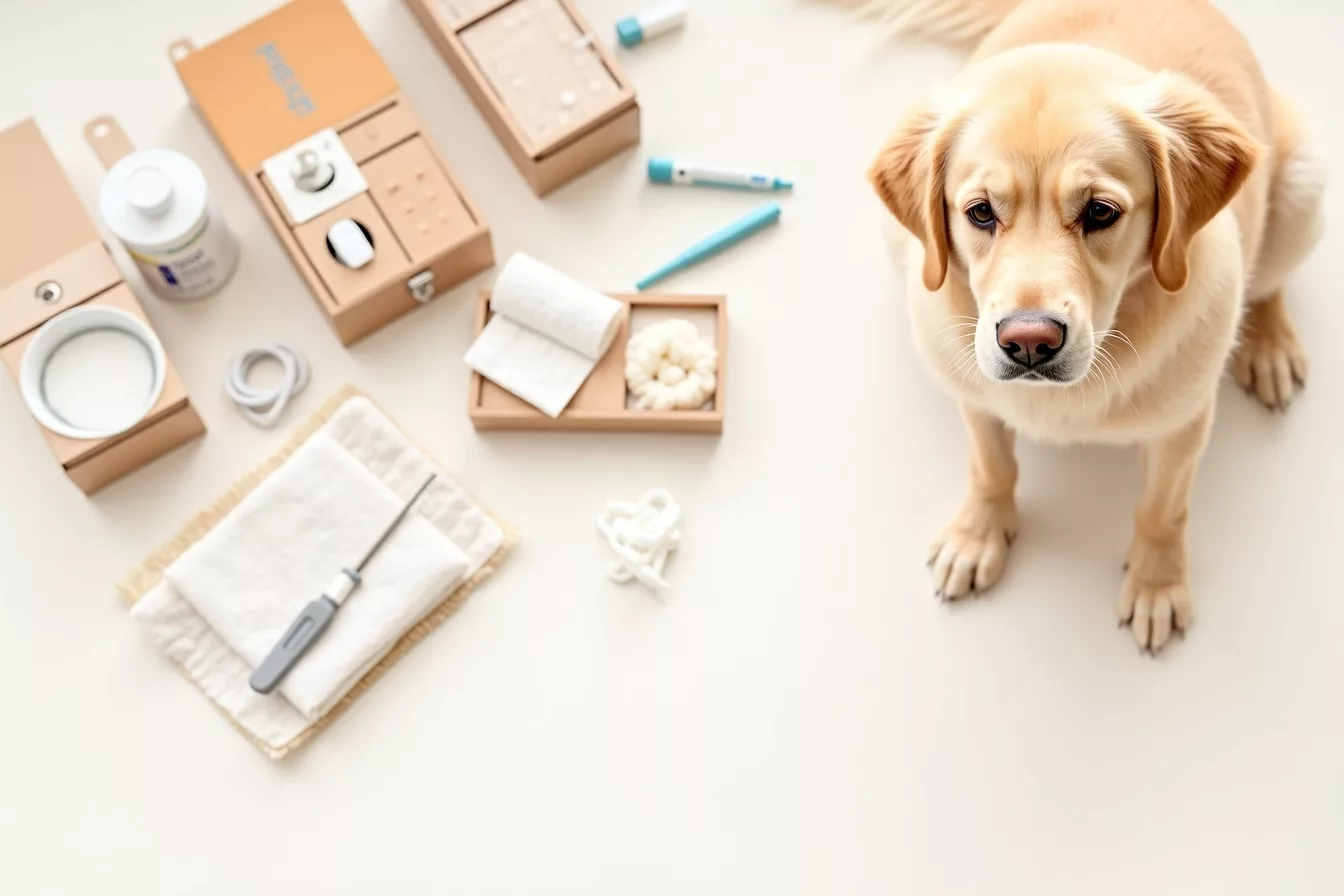

Did you know that 1 in 3 UK pet owners admitted they wouldn’t know how to help their pet in a medical emergency? A 2025 survey by the British Veterinary Association found that 67% of dog and cat owners lack a basic first aid kit at home—despite veterinary emergencies happening more frequently than we’d like. In this article you’ll discover exactly what belongs in your pet first aid kit, why each item matters, and the one overlooked product that could save your pet’s life during the crucial minutes before you reach the vet.
Why Your Pet Needs a Dedicated First Aid Kit
A pet emergency doesn’t wait for business hours. Sprains, minor cuts, allergic reactions, and gastric upset can happen on a Sunday evening or during a bank holiday when your regular vet is closed. Having a well-stocked first aid kit means you’re prepared to stabilise your pet and reduce panic—yours and theirs.
The difference between a minor incident and a tragedy often comes down to those first few minutes. Your vet will thank you for having these essentials ready, and your pet will recover faster with prompt, appropriate care at home.
📊 Key Figures 2025
- 67% of UK pet owners have no basic first aid kit (British Veterinary Association, 2025)
- Emergency vets report a 34% rise in preventable complications since 2023, many due to delayed first aid (PDSA, 2025)
- Pet owners who’ve completed first aid training report 52% faster response times during crises (Royal Veterinary College study, 2024)
Sources: British Veterinary Association, PDSA, RVC
The 10 Essential Items for Your Pet First Aid Kit
1. Sterile Gauze Pads and Medical Tape
Keep a variety of sterile gauze pads (10cm x 10cm) for cleaning and dressing wounds. Medical tape holds dressings securely without harming your pet’s skin. Buy hypoallergenic tape if your pet has sensitive skin.
2. Antiseptic Wipes or Saline Solution
Saline solution is gentler than tap water for flushing wounds and cleaning around eyes or ears. Individual antiseptic wipes are convenient for quick clean-ups on walks.
3. Tweezers (Fine-Tipped)
Essential for removing splinters, thorns, or grass seeds stuck in paws. Keep them clean and stored safely in your kit.
4. Digital Thermometer (Pet-Specific)
A pet thermometer lets you monitor temperature before calling your vet. A normal dog’s temperature is 38.3-38.7°C; cats run slightly higher at 38.1-39.2°C. Any deviation can indicate infection or illness.
5. Non-Adherent Sterile Dressing
Unlike regular gauze, non-adherent dressings won’t stick to wounds, making changes less painful. Crucial for burns or deep cuts.
✅ Expert Tip
Store your kit in a clearly labelled, waterproof container at room temperature. Keep a laminated card inside listing your vet’s number, emergency vet contact, and your pet’s microchip ID. Charlie, a 4-year-old Springer Spaniel from Leeds, survived a severe paw laceration because his owner had his microchip details instantly available when rushing to the emergency clinic.
6. Antihistamine Cream (Pet-Safe)
For minor itches, insect stings, or allergic reactions. Always check with your vet first about which brands are safe—never use human hydrocortisone without approval.
7. Elastic Bandages and Self-Adhesive Bandages
Compress sprains and support injured limbs temporarily until you reach your vet. Self-adhesive bandages (like Vet-Wrap) stick to themselves, not your pet’s fur, reducing stress.
8. Antibiotic Ointment (Veterinary-Grade)
Ask your vet to recommend a pet-safe antibiotic ointment. Regular Savlon or Sudocrem can be toxic if your pet licks it off—vet-grade alternatives are formulated to be safe.
9. Tweezers or Tick Removal Tool
Ticks need to be removed carefully to prevent infection. A specialised tick removal tool is more effective than tweezers and worth the investment, especially if your pet spends time in woodland or fields.
10. Cotton Wool Balls and Absorbent Pads
For cleaning, drying, and applying medications. Absorbent pads are especially useful for incontinence or minor bleeding.
⚠️ Warning
Never use human medications (paracetamol, ibuprofen, aspirin) on pets without explicit vet instruction. Even small doses can cause kidney or liver damage. If your pet has swallowed anything toxic, shows difficulty breathing, uncontrolled bleeding, or symptoms of shock, contact your vet or emergency clinic immediately—don’t wait.
Bonus Items Worth Adding
A muzzle (correctly fitted for your pet’s size), plastic gloves, scissors, a torch, and a pet emergency blanket offer extra protection. Your vet can demonstrate how to apply a temporary muzzle safely—even friendly pets may snap in pain.
Consider laminating a small card with your pet’s photo, microchip number, allergies, and medications. It’s invaluable in a genuine crisis.
When to Check and Refresh Your Kit
Review your kit every 6 months. Check expiry dates on ointments and antiseptics, replace used items immediately, and update contact numbers if you’ve changed vets. Spring and autumn are ideal times—when clocks change, refresh your kit.
Where to Buy and Store Your Kit
Reputable online pet retailers, supermarket pet sections, and your local vet surgery stock individual items. Alternatively, some vets sell pre-assembled kits. Store yours in a cool, dry place—not the car, where heat degrades medications. Label it clearly so family members know where it is in an emergency.
The goal isn’t to replace your vet—it’s to bridge the gap between your home and the surgery, keeping your beloved pet as comfortable and safe as possible during those critical first moments.
Quick Recap: Your Action Plan
You now know the 10 essentials plus bonuses that protect your pet. The real game-changer? Having the kit assembled and accessible right now, not when disaster strikes. Spend 30 minutes this week gathering items and organising them. Your future self will be incredibly grateful.
Have you already got a first aid kit at home, or is today the day you start building one?