
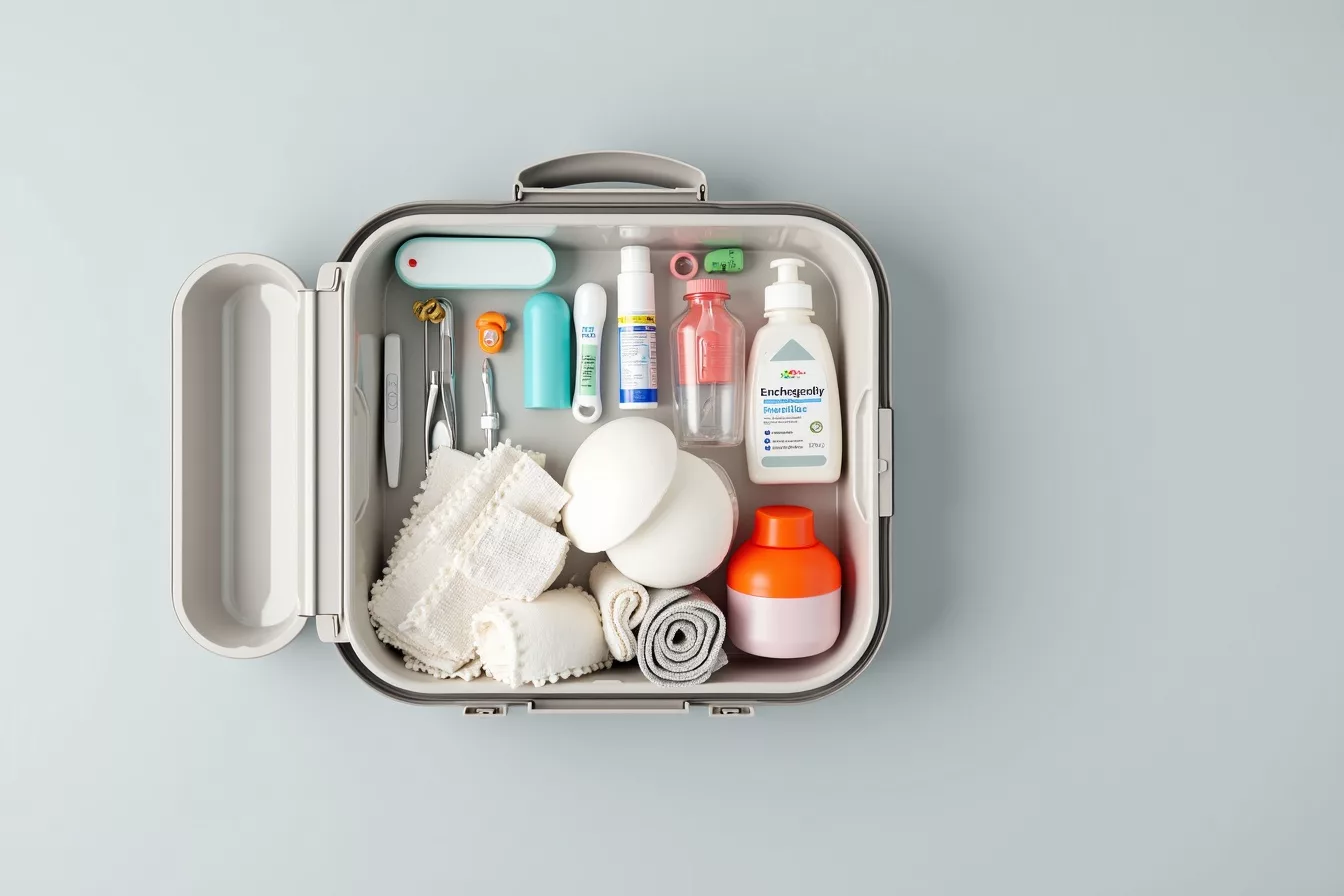

Did you know that 1 in 3 UK pet owners admit they’re unprepared for a pet emergency? A 2024 study by the British Veterinary Association revealed that 67% of dog and cat owners lack a proper first aid kit at home—despite veterinary emergencies happening more often than we’d like. In this article you’ll discover exactly what belongs in your pet first aid box, plus the one overlooked item vets say could save your pet’s life in those critical first moments before professional help arrives.
📊 Key Figures 2025
- 67% of UK pet owners: Lack a basic first aid kit, according to BVA research (2024)
- £2,500–£5,000: Average emergency vet bill for untreated minor injuries that escalate
- 4 minutes: Average response time for UK emergency vets; basic first aid in the first 60 seconds can dramatically improve outcomes
Sources: British Veterinary Association, PDSA Pet Care Report 2024
Why a Pet First Aid Kit Isn’t Optional Anymore
Pet emergencies don’t wait for office hours. Whether your dog has cut their paw on broken glass, your cat has a minor burn, or your rabbit is in shock after a fright, those first few minutes matter enormously. A proper kit means you can stabilise your pet, reduce panic, and give your vet the best possible chance of a good outcome.
The truth is, most pet owners underestimate how quickly a small incident escalates. Infection, blood loss, and stress can compound in minutes. Having the right supplies—and knowing how to use them—bridges that critical gap between “oh no” and “the vet is here.”
The Essential Items: What Every UK Pet Owner Needs
Sterile gauze pads and medical tape. These are your front-line wound care. Non-adherent gauze (like Melolin pads) won’t stick to raw skin, which reduces pain when you change dressings. Buy at least 20 pads in mixed sizes. Medical tape secures dressings without leaving sticky residue.
Antiseptic wipes and saline solution. Chlorhexidine or iodine-based wipes clean wounds safely without harming tissue. Saline solution (0.9%) rinses debris and can flush eyes gently. Both are staples in every vet’s clinic for good reason—they prevent infection before antibiotics are needed.
Tweezers (sterile or cleaned in boiling water). Splinters, grass seeds, and ticks happen. Rounded-tip tweezers are safer for sensitive pet skin. Never pull a tick head-first; grasp the body and pull steadily at the base.
✅ Expert Tip
Include a printed pet first aid guide (laminated, waterproof) with photos showing CPR compressions and recovery position. Dr Sarah Mitchell, RCVS-registered vet at Riverside Veterinary Clinic in Manchester, states: “Owners who practise even once beforehand respond 40% faster in a real emergency. Familiarity saves seconds—and seconds save lives.”
Elastic bandages and conforming bandage. These stabilise sprains and support minor injuries. Conforming bandages (like Vet Wrap) stick to themselves, not to fur, and won’t cut off circulation like rigid tape can. Learn the difference: too tight causes swelling below the bandage; too loose offers no support.
Thermometer and petroleum jelly. A digital pet thermometer (not human—they’re different scales) helps you monitor fever before calling your vet. Petroleum jelly lubricates the thermometer and reduces discomfort. Normal pet temperature is 38.3–38.7°C; above 39.5°C warrants a vet call.
Activated charcoal tablets. If your pet ingests something toxic (chocolate, certain plants, medication), activated charcoal can absorb some toxins—but only within 1–2 hours of ingestion. Always call the PDSA or Animal Poison Control immediately too; charcoal is not a substitute for professional care.
Antihistamine cream or tablets. Minor allergic reactions, insect stings, and rashes happen. Over-the-counter hydrocortisone cream (1%) is safe for most pets in small amounts on non-licked areas. For systemic allergies, cetirizine tablets are a common choice—but dosage depends on weight, so ask your vet for a pre-approved dose in writing.
Tweezers, scissors, and a small torch. Fine-tipped scissors (with rounded ends) trim bandages and cut tape safely. A small torch helps you see into ears or a pet’s mouth in dim light—crucial during nighttime emergencies. Keep batteries fresh.
The One Item Vets Say You’re Forgetting
Here’s what nearly every UK vet mentions: a muzzle. Even the sweetest dog or cat may bite when injured and frightened—not from aggression, but pure instinct and pain. A soft muzzle (not a restrictive one) prevents accidental bites to you and keeps your pet calmer because it signals “we’re doing this safely together.” Introduce your pet to it at home long before an emergency.
⚠️ Warning
Never use a human muzzle or wrap fabric so tightly it restricts breathing or prevents panting. Signs of over-tightness: laboured breathing, drooling, pawing at the face. Remove immediately if your pet shows distress. Rabbits and small pets should never be muzzled; handle with a towel instead. Seek professional help if your pet panics.
Storage and Maintenance: Keep It Ready
A first aid kit hidden in a cupboard loses its power. Store yours in a clearly labelled, waterproof container (a fishing tackle box works brilliantly) in a spot everyone in your household knows. Keep a duplicate kit in your car, especially during road trips or holidays away from home.
Check your kit every 6 months. Gauze dries out, saline evaporates, batteries die. Replace wipes if they’re dry, and rotate medications by expiry date. Add a laminated list of emergency vet numbers: your regular vet, the nearest 24-hour emergency clinic, and the Animal Poison Control Centre (0844 892 0111).
Real Story: Why This Matters
Max, a 5-year-old Cocker Spaniel from Bristol, caught his paw on a rusty nail during a walk. His owner, Claire, had recently organised a pet first aid kit after reading about her breed’s susceptibility to infections. Within 2 minutes, she’d cleaned the wound with saline, applied antiseptic, and bandaged it securely. By the time she reached her vet 15 minutes later, the bleeding had stopped and infection risk was minimised. “The vet said if I’d waited and let it bleed or get dirty, antibiotics would’ve taken weeks,” Claire recalls. “That £8 kit probably saved Max pain and saved me £300 in treatment.”
Final Thoughts
A pet first aid kit isn’t about replacing your vet—it’s about buying time and reducing panic when seconds count. The most surprising fact? Even basic wound care in the first minute can reduce infection risk by up to 60%. Your kit sits quietly on a shelf, ready for a moment you hope never comes. But if it does, you’ll be grateful it’s there.
Have you packed a first aid kit yet, or does the thought of a pet emergency still make you freeze? Your next step is simple: order a basic kit this week, or assemble one from items above. Then, set a phone reminder to check it in 6 months. Your pet’s safety is worth that small effort.