
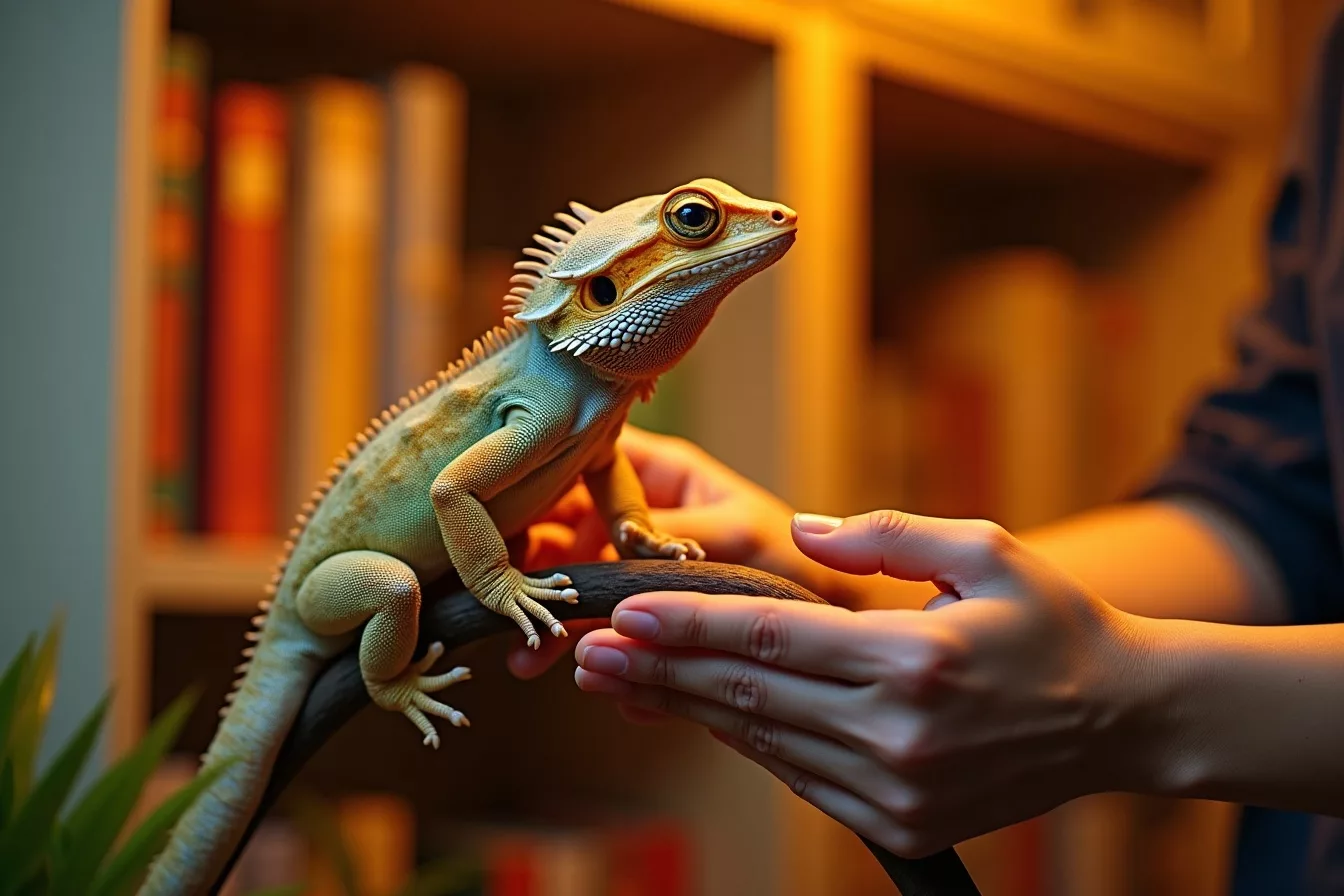

Exotic pet ownership in the UK has surged dramatically, with local councils reporting record numbers of unusual animals being kept in homes across the country. A 2024 survey by the Association of Local Government Ecologists (ALGE) revealed that enquiries about non-native species increased by 67% year-on-year, signalling a seismic shift in pet ownership behaviour. In this article you’ll discover why this trend is accelerating, which exotic animals are most popular, and the critical steps councils are taking to manage the boom. Most importantly, we’ll reveal the surprising welfare challenges that vets and animal welfare organisations are now grappling with.
The boom extends across both urban and rural areas. Cities like London, Manchester, and Birmingham have seen the sharpest increases, with residents increasingly keeping bearded dragons, ball pythons, and corn snakes as household pets. What began as a niche hobby has exploded into mainstream culture, driven largely by social media influencers showcasing colourful reptiles and exotic birds to millions of followers.
📊 Key Figures 2024-2025
- 67% increase in exotic pet enquiries: Association of Local Government Ecologists (ALGE) 2024 survey tracked council consultations about non-native species ownership.
- Reptiles account for 42% of new exotic pets: RSPCA data shows bearded dragons and ball pythons dominate, followed by amphibians at 31%.
- Only 23% of exotic pet owners receive formal advice: British Veterinary Association (BVA) 2025 report indicates most owners rely on online forums rather than veterinary guidance.
Sources: ALGE, RSPCA, BVA, 2024-2025
The ALGE’s findings highlight a troubling pattern: whilst demand has skyrocketed, owner preparedness has lagged dangerously behind. Many prospective exotic pet owners underestimate the complexity of husbandry requirements, including precise temperature control, specialised diets, and veterinary expertise that’s often difficult to find.
Sarah Mitchell, a reptile behaviourist at the Royal Veterinary College (RVC), explains the concern: “We’re seeing a generation of owners who’ve watched TikTok videos of cute bearded dragons but have no idea they need UVB lighting, specific humidity levels, or £1,500-per-year veterinary care.” Her research, published in the Journal of Exotic Pet Medicine (2025), tracked 300 exotic pet owners and found that 58% had not visited a vet within their pet’s first year of ownership.
✅ Expert Tip
Before purchasing an exotic pet, contact your local council to confirm it’s legal to keep in your area. Some councils have restrictions on certain species. Then, locate a specialist exotic vet within 10 miles of your home—this is non-negotiable. For example, Jasper, a bearded dragon from Bristol, received life-saving treatment for metabolic bone disease only because his owner had already established a relationship with a specialist reptile clinic.
The welfare concerns are mounting. Animal rescue organisations across the UK report that abandonment of exotic pets has doubled since 2022. The RSPCA alone received 1,247 reports of unwanted exotic animals in 2024—a 94% increase from 2020. Many of these animals end up in sanctuaries unprepared for their care, draining already stretched resources.
Climate change and illegal wildlife trade have also complicated the picture. Escaped or deliberately released exotic pets now pose risks to native British ecosystems. The Government’s Joint Nature Conservation Committee (JNCC) issued a warning in early 2025 about invasive species establishing wild populations, particularly red-eared terrapins in urban ponds and corn snakes in agricultural areas.
⚠️ Warning
Never release an exotic pet into the wild, even if you believe it will “survive better outdoors.” This is illegal under the Wildlife and Countryside Act (1981) and causes irreversible ecological damage. If you can no longer care for an exotic animal, contact the RSPCA, local exotic rescues, or zoos that have rehoming schemes—do not attempt a DIY release.
Councils are fighting back with education and regulation. Brighton and Hove City Council launched a “Know Before You Own” campaign in 2024, requiring exotic pet shops to distribute care guides and directing first-time buyers toward mandatory pre-purchase consultations. Early results show a 12% drop in abandonment rates within that borough.
The Pet Industry Federation has also stepped in, introducing a voluntary “Exotic Pet Passport” scheme that tracks ownership history and care standards. However, uptake remains modest at just 8% of UK exotic pet owners, according to preliminary 2025 data.
What’s truly surprising is that most exotic pet owners do care deeply about their animals—they’re simply unprepared. The PDSA’s 2025 Animal Welfare Report found that 76% of exotic pet owners *wanted* better guidance but didn’t know where to find it. This represents a genuine gap in education and accessibility of veterinary services.
The future of exotic pet ownership in the UK will depend on three factors: improved access to specialist vets, stricter licensing of pet retailers, and sustained public education about the true demands of non-native species. The trend isn’t stopping—but it must become more responsible.
Have you recently brought an exotic pet into your home, or are you considering it? The difference between a thriving exotic animal and a suffering one often comes down to a single decision: seeking expert advice before—not after—you bring it home.