
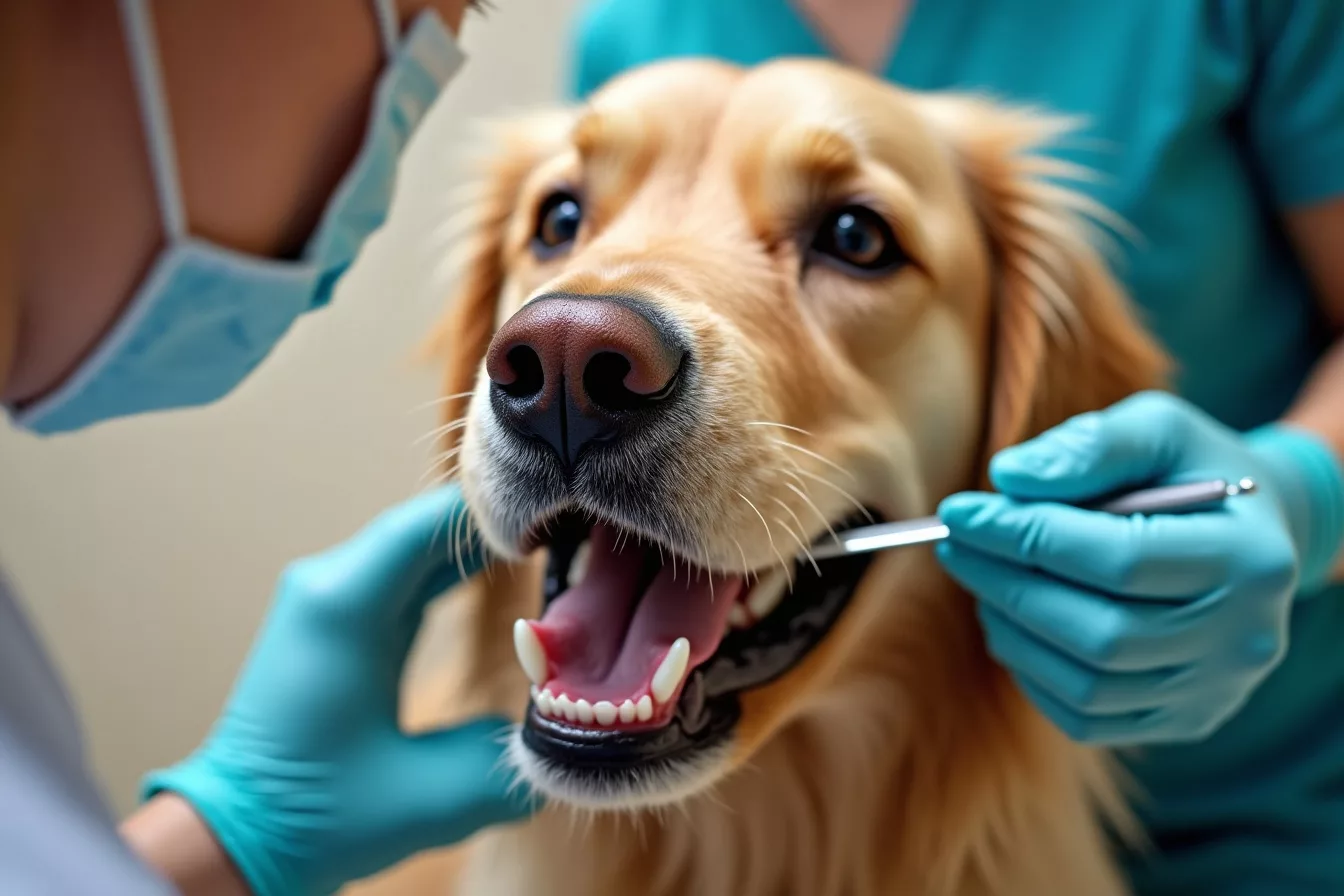

Did you know that 73% of dogs over the age of 7 have some form of dental disease? Yet most owners believe their dog’s teeth are fine until a vet flags a problem. A 2025 study published by the British Veterinary Association found that preventable dental decay accounts for over 40% of canine health complaints seen in practice—making it more common than ear infections or skin allergies combined. In this article, you’ll discover exactly what happens inside your dog’s mouth that vets are seeing every single day, the early warning signs you’re probably missing, and the one simple habit that could add years to your dog’s life. Ready? Let’s talk teeth.
📊 Key Figures 2026
- 73% of dogs over 7 years old: Have detectable periodontal disease, according to the Royal Veterinary College (RVC) 2025 audit
- 40% of vet consultations: Related to preventable dental issues, per the British Veterinary Association’s latest clinical guidelines
- £2,500–£5,000 average cost: For professional dental cleaning and extractions when disease reaches stage 3 or 4
Sources: RVC, BVA, PDSA 2025
What Vets Actually See Behind Closed Teeth
When a vet peers into your dog’s mouth, they’re not just looking for cavities—they’re assessing the entire periodontal system: gums, bone, tooth roots, and the invisible bacterial biofilm that’s silently destroying everything underneath the surface. Most owners only notice plaque (the yellow or brown crud on the visible crown), but the real damage happens below the gum line where you can’t see it.
Tartar and plaque cause the gums to recede, exposing the root and creating deeper pockets where anaerobic bacteria thrive. These bacteria don’t stay in the mouth. They enter the bloodstream through inflamed gum tissue and spread to the heart, kidneys, and liver—potentially shaving years off your dog’s life. This is why dentition isn’t vanity; it’s a vital organ system.
The Early Signs Owners Miss
Bad breath is the most obvious red flag, but it’s often the last one. Before your dog’s breath smells like a rubbish bin, look for these earlier warning signs:
• Difficulty chewing or dropping food: A dog in mouth pain will favour one side or stop eating dry kibble altogether. Mabel, a 6-year-old Golden Retriever from Bristol, started refusing her usual biscuits three weeks before her owner noticed her gums were bleeding during play.
• Pawing at the mouth or rubbing the face: Repeated scratching at the mouth or dragging the face along carpets indicates discomfort.
• Swelling around the jaw or under the eye: This suggests a tooth root abscess—a pocket of infection that requires immediate veterinary attention.
• Visible tartar or dark staining: If you can see it, the disease is already established. Stage 1 dental disease is invisible to the naked eye.
• Behaviour changes: Withdrawn, grumpy, or reluctant to play can signal chronic pain. Some owners mistake this for age-related slowing down.
✅ Expert Tip
Start a tooth-brushing routine at least 4 times per week—ideally daily. Use a dog-specific toothpaste (never human toothpaste, which contains xylitol, a toxin). Enzymatic toothpastes work even without aggressive brushing; the chemical action does much of the work. Make it part of your bedtime routine so you never forget. Dogs who have their teeth brushed 5+ times weekly have 60% fewer dental problems by age 10, according to the RSPCA.
Why Dental Cleanings Aren’t Optional
Professional dental cleaning under anaesthesia is the only way to remove tartar and plaque below the gum line. At-home brushing prevents new buildup, but it doesn’t reverse existing disease. Many owners delay cleanings because they worry about anaesthesia, but modern protocols are incredibly safe—especially compared to the risks of untreated dental disease.
The British Veterinary Association recommends annual dental assessments from age 7 onwards, with cleanings scheduled as needed based on your vet’s assessment. Smaller breeds and certain types (like Cavaliers and Pugs) tend to develop disease earlier and more aggressively.
⚠️ Warning
If your dog has swollen gums, pus discharge, bleeding, loose teeth, or refuses to eat, book a vet appointment within 48 hours. Tooth root abscesses and advanced periodontal disease can lead to sepsis or heart valve damage if left untreated. Don’t wait for the next routine check.
Prevention Is Cheaper Than Treatment
The maths are simple: a toothbrush costs £3, enzymatic toothpaste costs £8, and your time costs nothing. A professional cleaning costs £300–£800. Tooth extractions, antibiotics, and treating kidney damage costs thousands. Start prevention now, even if your dog is already older.
Feed a mixture of wet and dry food (dry kibble has a mild mechanical cleaning effect), offer dental chews approved by the Veterinary Oral Health Council, and schedule annual vet checks. These three habits are the difference between a dog who keeps all their teeth and one who loses half their mouth by age 10.
The Bottom Line
Dental disease isn’t inevitable—it’s preventable. What vets see every day is the consequence of neglect, not biology. Your dog’s teeth are meant to last their entire life, and with the right habits, they will. The most surprising part? Most owners could have prevented 80% of the dental problems their dogs eventually develop. Have you started brushing your dog’s teeth yet, or is today the day you’ll buy that first toothbrush?