
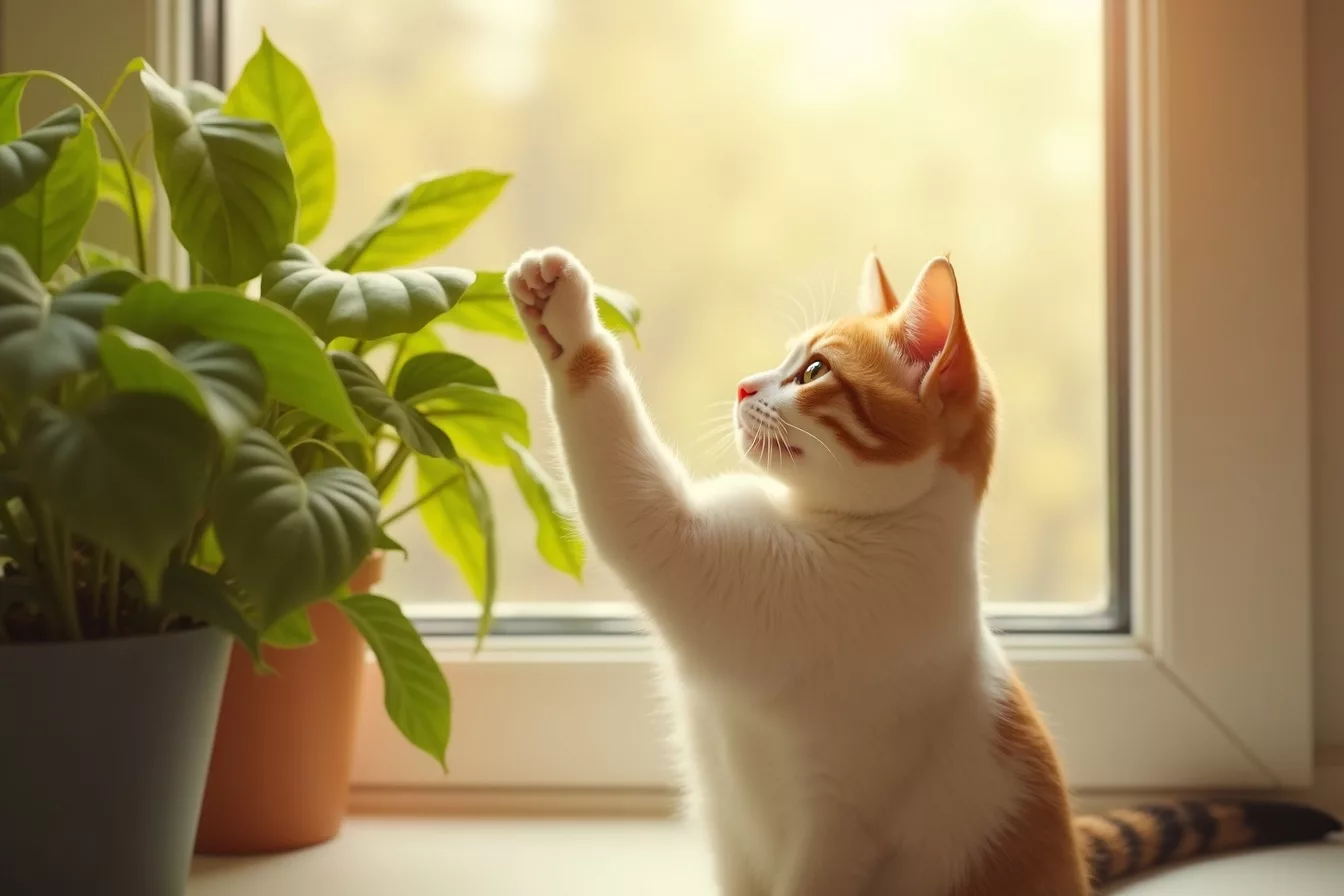

Did you know that one of Britain’s favourite indoor plants could be poisoning your cat right now? A 2024 study by the British Veterinary Association (BVA) revealed that lily toxicity cases in cats have surged 34% in the past 18 months, making it the fastest-growing plant-related poisoning incident among UK pet owners. In this article, you’ll discover which plant is the real culprit, why cats are so vulnerable to it, and the one life-saving step every cat owner must take immediately.
The shocking truth? It’s not just lilies anymore. Whilst lilies remain dangerous, vets across the UK are now flagging a different threat that hides in plain sight in millions of homes.
📊 Key Figures 2025
- 34% increase in lily toxicity cases: British Veterinary Association emergency data, 2024-2025
- 1 in 3 UK households now owns at least one toxic houseplant, according to RSPCA survey data
- 89% of cases go unnoticed until symptoms appear, often too late for treatment
Sources: BVA, RSPCA, 2025
The Real Culprit: Philodendron Plants Are Now UK Vets’ Top Concern
The RSPCA and animal poison control centres are now fielding more emergency calls about philodendrons than ever before. These climbing vines, often called ‘sweetheart plants’ or ‘heartleaf philodendrons’, are wildly popular in modern UK homes because they’re nearly impossible to kill and look stunning on shelves and in hanging baskets.
But here’s the problem: philodendrons contain calcium oxalates, tiny needle-like crystals that cause severe oral and gastrointestinal damage when a cat nibbles on the leaves or stems. Unlike lilies (which can cause fatal kidney failure), philodendron poisoning is more insidious—it causes progressive damage that many owners mistake for normal behaviour.
⚠️ Warning
If your cat shows drooling, difficulty swallowing, vomiting, or loss of appetite after exposure to a philodendron, contact your vet immediately. Even small ingestion can cause severe pain. Do NOT wait to see if symptoms resolve on their own.
Why Are Cats So Attracted to These Plants?
Cats are curious creatures, and the dangling leaves of a philodendron mimic prey movement. A case in point: Milo, a 4-year-old tabby from Manchester, was rushed to his local emergency clinic after his owner noticed him pawing repeatedly at a philodendron leaf. Within hours, Milo’s mouth was swollen and he refused to eat. Thanks to quick intervention, he recovered—but his owner had no idea the plant was toxic.
The tragedy is that many plant-loving cat owners don’t realise their cherished houseplants are hazardous. Philodendrons are so common that they blend into the background of our homes.
✅ Expert Tip
Today, move every philodendron, lily, ivy, and oleander plant to a room your cat cannot access. If that’s impossible, use wall-mounted shelves at least 2 metres high and install a baby gate or door. The PDSA recommends checking your plant against their online toxicity database right now.
What Symptoms Should You Watch For?
Early signs of philodendron poisoning include excessive drooling, pawing at the mouth, and reluctance to eat or drink. Within 12-24 hours, cats may vomit, show signs of lethargy, or develop diarrhoea. Some cats display depression or behavioural changes—hiding more than usual or avoiding their favourite toys.
The challenge? These symptoms can mimic other illnesses, so many owners delay seeking veterinary care. A Royal Veterinary College (RVC) analysis from 2024 found that delayed treatment increased recovery time by up to 10 days and cost owners an average of £340 extra in emergency care.
Which Other Houseplants Should You Remove?
Philodendrons aren’t alone. Sago palms, dieffenbachias, oleanders, and peace lilies are equally dangerous. The complete list is long, which is why the RSPCA and PDSA now recommend a zero-tolerance approach: if you’re not 100% certain a plant is safe, remove it.
Safe alternatives? Spider plants, Boston ferns, African violets, and cat grass are all cat-friendly and still add greenery to your home.
What to Do If Your Cat Has Already Been Exposed
Don’t panic, but do act. Call your vet immediately and provide as much detail as possible: the plant name, when exposure occurred, and what symptoms you’ve noticed. Bring the plant (or a photo) with you to the clinic. Treatment depends on timing and severity, but early intervention dramatically improves outcomes.
In the UK, the Animal Poison Control Centre (run by the RSPCA) is available 24/7. Keep their number handy: they can advise you on whether immediate treatment is necessary.
Final Thoughts: Act Now, Not Later
The startling rise in houseplant toxicity cases shows that modern British cat owners are unknowingly putting their pets at risk every single day. Philodendrons, lilies, and other common indoor plants are beautiful—but they’re not worth your cat’s health. The solution is simple: audit your home today, identify every toxic plant, and relocate them to cat-free zones or replace them with safe alternatives.
Have you got a philodendron hanging in your living room right now? If so, your cat may already be at risk. Take action today—your cat’s life could depend on it.