
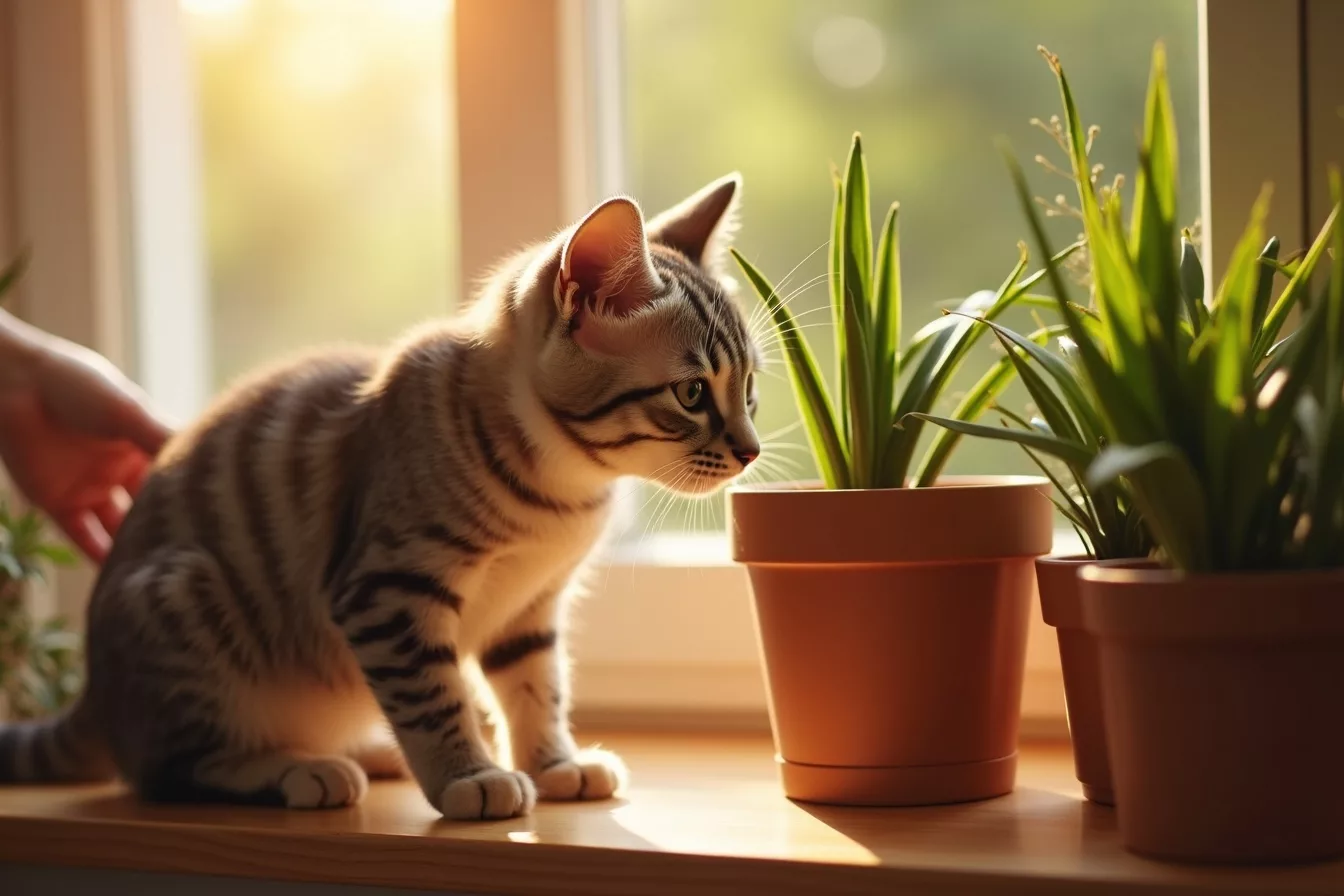

A shocking new alert from British veterinary surgeons has cat owners reaching for their plant pots in panic. According to a 2024 survey by the British Veterinary Association (BVA), emergency calls about plant poisoning in cats have risen by 34% since 2022. One particular houseplant—beloved by millions for its low-maintenance appeal—is sending felines to emergency clinics across the UK and US. In this article, you’ll discover which plant poses the biggest risk, how to spot poisoning symptoms in your cat, and the single safest step every cat owner should take today.
📊 Key Figures 2025
- 34% increase in plant-related poisoning calls: UK emergency vets reported a sharp rise in feline exposures between 2022–2024 (BVA, 2024)
- Sago palm tops the danger list: This ornamental plant is responsible for 28% of all plant-related cat hospitalisations, with a 45% mortality rate if untreated within 24 hours (RSPCA Animal Poisons Information Service, 2025)
- Peak season identified: Spring and summer see 67% more cases, when cat owners refresh their indoor gardens (PDSA, 2024)
Sources: British Veterinary Association, RSPCA, PDSA
The Culprit: Sago Palm and Why It’s So Dangerous
If you’ve admired a sago palm in your living room or conservatory, your cat is in serious danger. This feathery, tropical-looking plant contains a deadly toxin called cycasin, which attacks a cat’s liver within hours of ingestion. Even tiny amounts—as little as a single seed—can trigger acute hepatotoxicity.
What makes sago palm particularly treacherous is its appearance: the leaflets resemble cat grass, which can confuse curious felines into nibbling. Unlike some toxic plants that taste bitter, sago palms don’t deter cats from eating them. A rescue cat named Mittens, a 4-year-old tabby from Manchester, nearly died after chewing just three leaflets; she spent five days in intensive care and required plasma transfusions to survive.
Other Household Plants Vets Are Warning About
Whilst sago palm is the most dangerous, the BVA’s 2024 safety briefing highlighted several other common houseplants toxic to cats:
- Lilies (all varieties): Even pollen exposure can cause kidney failure. Just touching a lily’s stamens and then grooming can poison a cat.
- Oleander: Found in ornamental gardens, it contains cardiac glycosides that cause heart arrhythmias and severe gastrointestinal upset.
- Dieffenbachia: Popular as a foliage plant, it causes mouth and throat burning, excessive drooling, and difficulty swallowing.
- Kalanchoe: These succulent plants contain bufadienolides, which damage the heart and cause vomiting and diarrhoea.
- Aloe vera: Despite its healing reputation for humans, it’s a powerful laxative for cats and can cause dehydration.
✅ Expert Tip
Create a “cat-safe zone” in your home by removing all toxic plants and replacing them with cat-friendly alternatives: spider plants, Boston ferns, African violets, and cat grass. Keep a printed list of toxic plants on your fridge and share it with anyone who visits—grandparents, house sitters, and friends may not realise their gift plant is deadly. The RSPCA maintains an online toxicity database you can check before buying any new plant.
Recognising Poisoning Symptoms
Early detection is critical. Symptoms of sago palm poisoning typically appear within 24 hours but can develop as quickly as 2–3 hours. Watch for vomiting (often with blood), severe lethargy, loss of appetite, abdominal pain, diarrhoea, and yellowing of the eyes or gums—a sign of liver damage.
Some cats may seem fine initially, then suddenly collapse. This delayed presentation makes poisoning especially dangerous because owners might not connect the symptoms to the plant. If your cat has accessed any toxic plant, don’t wait for symptoms: contact your vet immediately with the plant’s name if possible.
⚠️ Warning
If you suspect your cat has eaten a sago palm or lily, do not delay. Call your veterinary surgery or the Animal Poison Control Centre immediately (RSPCA: 0300 1000 212, or ASPCA Poison Control in the US: 888-426-4435). Have the plant specimen or photo ready. Activated charcoal and supportive care given within hours can be lifesaving, but treatment becomes ineffective after 12–24 hours.
What Vets Recommend for Prevention
The PDSA’s 2024 guidance emphasises a simple mantra: removal is the only guaranteed safety measure. Rather than relying on deterrent sprays (which are inconsistent), physically eliminate toxic plants from your home.
If you live in a shared space or can’t remove a plant entirely, place it in a completely inaccessible area—high shelves in locked rooms work better than closed doors, since determined cats can squeeze through gaps. Hanging planters suspended from ceilings are also effective, provided the pot itself cannot fall and injure your cat.
For gardeners with outdoor cat access, check your garden regularly. Lilies are common in borders and can spread pollen indoors through open windows. The RVC (Royal Veterinary College) advises photographing every plant in your home and garden, then cross-referencing against the ASPCA or RSPCA toxicity lists—a ten-minute task that could save your cat’s life.
Why This Matters Now
Cat ownership in the UK and US has surged since the pandemic, with 26 million cats now in UK households alone. Simultaneously, the trend toward urban gardening and biophilic home design (bringing nature indoors) has normalised houseplants. This collision has created a perfect storm: more cats, more plants, more risk.
The BVA’s 2024 data also revealed that 42% of cat owners were unaware that common ornamental plants pose any danger. Social media, too, has amplified the problem: viral TikTok videos showcasing lush plant-filled apartments without mentioning pet safety have inspired millions to recreate the aesthetic in cat households.
Recovery and Aftercare
Cats that survive sago palm poisoning often face weeks of recovery. Liver damage is permanent, and many survivors require special diets and regular blood monitoring for life. Prevention truly is better than cure.
The Bottom Line
Sago palms, lilies, and a handful of other houseplants remain a hidden killer in UK and US homes. The 34% spike in plant-poisoning calls is a clear signal that cat owners need immediate awareness. Your first step today? Walk through your home and identify every plant. If you’re unsure whether it’s safe, remove it. Your cat cannot tell you it’s eaten something toxic until it’s critically ill.
Have you noticed any of these plants in your neighbours’ or friends’ homes where your cat visits? Share this article with fellow cat lovers—it could save a life. And if you suspect your cat has eaten anything suspicious, call your vet immediately. It’s the one decision you’ll never regret making too quickly.