
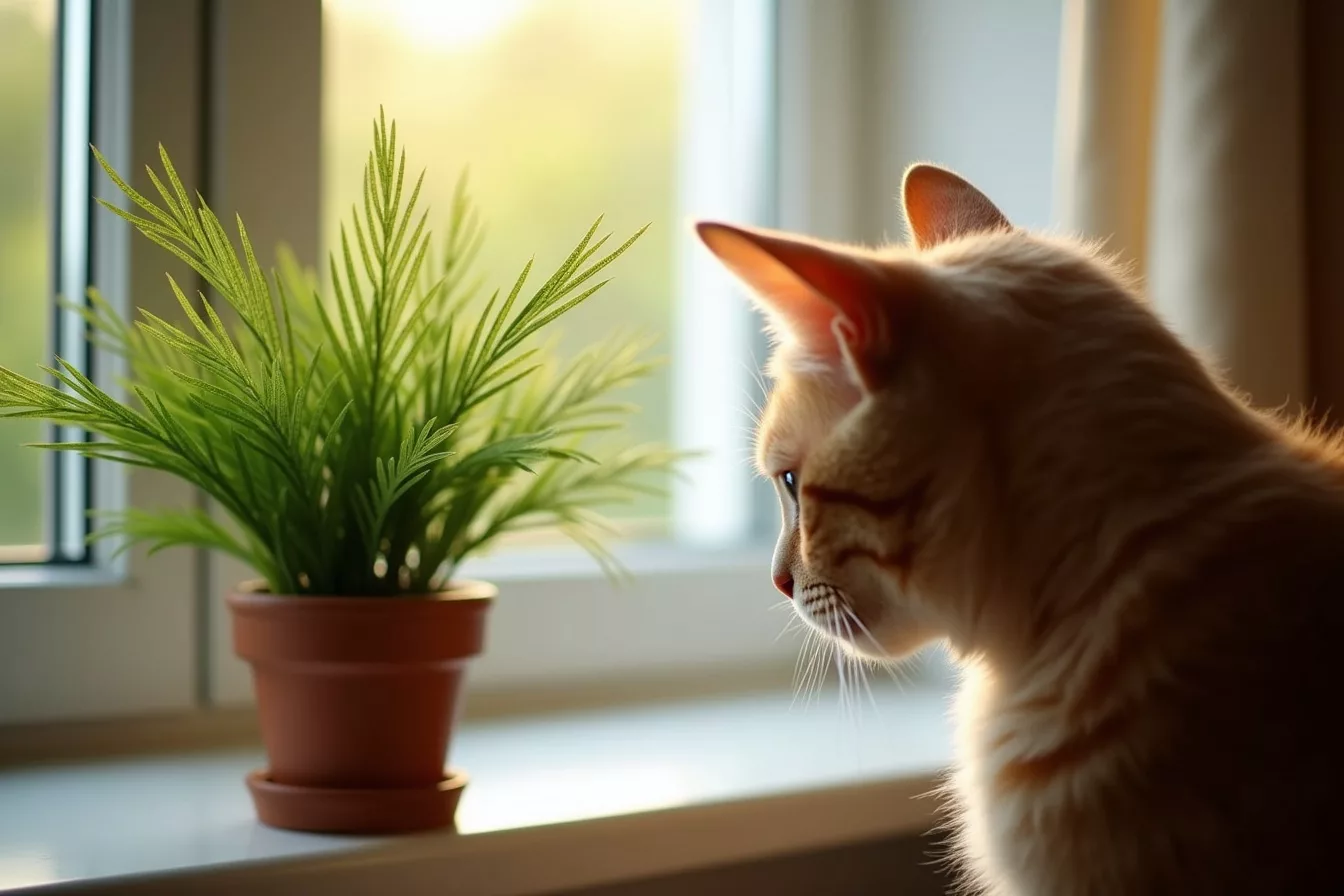

A concerning trend is emerging across British veterinary practices: more cats are being admitted to emergency clinics after ingesting a common houseplant that many pet owners assume is safe. A 2024 study by the British Veterinary Association (BVA) found that cases of plant toxicity in cats have increased by 34% compared to the previous year, with one particular plant accounting for nearly a third of all incidents. In this article you’ll discover which plant poses the biggest threat, how to spot poisoning symptoms in your cat, and the one simple step that could save your pet’s life.
The culprit? Lilies—particularly Easter lilies, Stargazer lilies, and Tiger lilies—remain the most dangerous houseplant for cats in the UK and US, but a rising threat has emerged: Sago palm, a decorative plant increasingly popular in British homes.
📊 Key Figures 2025
- 34% increase in plant toxicity cases: UK vets report a sharp rise in feline poisonings since 2023 (British Veterinary Association, 2024)
- Sago palm toxicity fatality rate: 50-100% in untreated cases within 48-72 hours (Royal Veterinary College)
- Lily exposure time: Just 2-4 leaves can cause acute kidney failure in cats within 12-24 hours (PDSA Poison Centre)
Sources: BVA, RVC, PDSA, 2024-2025
Sago palm (also called cycad) is now being flagged by the RSPCA as a critical concern. Every part of this plant—leaves, seeds, and roots—contains cycasin, a toxin that attacks the liver and kidneys. Unlike lilies, which require ingestion, even chewing a single leaflet can trigger poisoning.
Bella, a 3-year-old Ragdoll from Bristol, nearly became a statistic. Her owner found her vomiting and unusually lethargic one afternoon. “I had a Sago palm in the conservatory for two months,” recalls her owner. “The vet said if we’d waited another hour, it might have been too late.” Bella spent three days on intravenous fluids and survived—but many cats don’t.
⚠️ Warning
If your cat has chewed, licked, or ingested any part of a lily, Sago palm, or similar toxic plant, contact your vet or emergency clinic immediately—even if your cat seems well. Toxicity can take 12-24 hours to show visible symptoms. After hours? Call the Animal Poison Centre (UK: 01202 509000) or ASPCA Poison Control (US: 888-426-4435).
Recognising poisoning symptoms is vital. Early signs include vomiting, diarrhoea, loss of appetite, and excessive drooling. Within 24-48 hours, cats may become lethargic, refuse water, and show signs of kidney failure such as lethargy and dehydration. By the time symptoms appear, organ damage has often already begun.
✅ Expert Tip
The safest approach: remove all toxic plants from your home entirely. If you love houseplants, opt for cat-safe alternatives such as spider plants, Boston ferns, African violets, or cat grass. Keep a photo of your plants on your phone and show your vet at check-ups—many owners don’t realise what they’re growing.
The PDSA’s 2025 Pet Care Survey revealed that 62% of UK cat owners have houseplants, but fewer than 18% checked whether they were toxic to their pets. That knowledge gap is putting countless cats at risk.
Beyond removing toxic plants, keep your cat mentally stimulated with approved alternatives. Cat grass and climbing frames reduce boredom-driven plant chewing. If your cat shows persistent interest in plants, consult your vet about possible pica (abnormal eating behaviour), which can indicate nutritional deficiencies or stress.
The good news: plant poisoning is entirely preventable. Unlike genetic conditions or infections, this is one health threat you can eliminate entirely by making one simple choice today. Your cat can’t read plant labels or understand toxicity—that responsibility falls to us.
Lilies remain the most common cause of feline poisoning, but Sago palm is catching up fast, and neither should ever share a home with a cat. Have you checked your home for toxic plants yet? Take 10 minutes today to audit your windowsills and conservatory—it could be the most important health decision you make for your cat this year.