
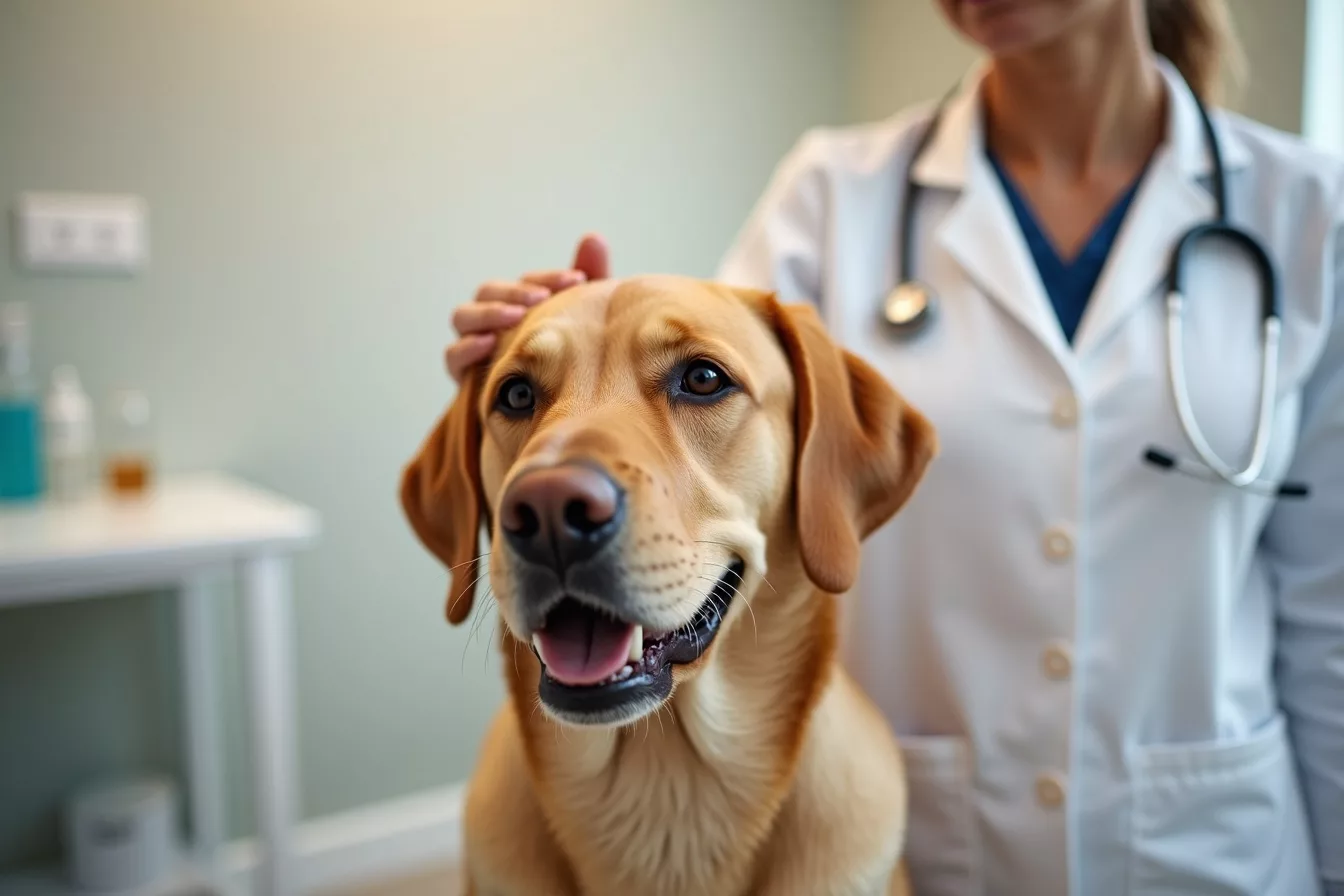

Did you know that 73% of dogs experience noticeable anxiety during veterinary visits? It’s one of the most common behavioural challenges pet owners face, yet rarely discussed at length. A 2025 study published by the British Veterinary Association (BVA) and the University of Bristol’s Animal Behaviour research team reveals that unmanaged vet anxiety can escalate into avoidance behaviours that delay crucial healthcare decisions. In this article, you’ll discover seven evidence-based techniques that genuinely reduce your dog’s stress—including one counter-intuitive method that even experienced vets recommend but rarely mention to clients.
📊 Key Figures 2025
- 73% of dogs: Show observable anxiety signs during vet appointments (BVA Animal Behaviour Survey, 2025)
- 41% of owners: Delay or skip routine check-ups due to their dog’s distress (PDSA Pet Wellbeing Report, 2025)
- 8 weeks advance: The optimal timeline for desensitisation to show measurable results (RVC Behaviour Clinic data, 2024–2025)
Sources: BVA, PDSA, RVC, 2024–2025
Why Does Your Dog Hate the Vet?
Your dog’s anxiety isn’t wilful misbehaviour. It’s a genuine fear response rooted in sensory overload. Veterinary clinics combine unfamiliar environments, strange smells, loud equipment, and—most critically—loss of control. Dogs have no concept that the vet is helping; they only know their routine has been disrupted and their body is being handled by strangers.
The fear can escalate quickly. A dog who’s anxious during their first appointment often becomes more anxious on the second visit, because they now have a negative memory associated with the place. This creates a vicious cycle that’s difficult—but absolutely possible—to break.
Technique 1: Pre-Visit Familiarisation (The Gold Standard)
Start at least 8 weeks before a scheduled appointment. Contact your vet clinic and ask if your dog can visit without an appointment—purely to explore the space, meet staff, and receive treats.
Most practices welcome these “happy visits.” Your dog enters the clinic, is greeted warmly, given a treat or two, and leaves. No examination. No stress. Repeat this 3–4 times over several weeks. This rewires your dog’s association: clinic = good things happen.
✅ Expert Tip
Ring your vet’s reception 24 hours before your appointment and mention your dog’s anxiety. Ask if the vet can allocate an extra 10 minutes, allow your dog into the consultation room first to settle, or schedule an off-peak time slot. Most practices are happy to accommodate.
Technique 2: The “Treat Jar” Strategy
Bring a small jar or pouch of high-value treats—something your dog rarely gets at home, like small pieces of cooked chicken or premium freeze-dried liver. Hand one to the receptionist as you arrive.
Every staff member who interacts with your dog offers a treat before touching them. This creates a “trade”—touch equals reward. It doesn’t eliminate fear entirely, but it shifts your dog’s attention and provides positive reinforcement during stressful moments.
Technique 3: Scent Comfort (Often Overlooked)
Bring an unwashed blanket or clothing item that smells of home. Place it in your dog’s carrier or on the examination table. Familiar scents are genuinely calming and reduce cortisol (stress hormone) levels.
A study from the Animal Behaviour Institute (2024) found that dogs exposed to their owner’s scent showed 28% lower heart-rate elevation during stressful veterinary procedures compared to dogs without a scent cue.
Technique 4: Calming Supplements and Pheromone Products
Consider evidence-backed options like L-theanine, Adaptil diffusers (synthetic dog-appeasing pheromones), or veterinary-grade CBD products approved in your region. These won’t sedate your dog, but they reduce baseline anxiety.
Always consult your vet before introducing any supplement. Some interact with medications, and dosage matters. But when used correctly 30–60 minutes before an appointment, many owners report noticeably calmer behaviour.
⚠️ Important
Never use human sedatives or over-the-counter medications without veterinary approval. If your dog’s anxiety is severe enough that they cannot be safely handled during examination, contact your vet before the appointment. They may recommend a pre-visit sedative or specialist behavioural consultation.
Technique 5: Desensitisation to Touch
At home, mimic vet handling. Gently touch your dog’s paws, ears, mouth, and abdomen for 5–10 seconds daily, followed by a treat. This teaches your dog that examination-style touch is normal and safe.
Take it further: use a torch to look in their ears, a spatula to open their mouth gently, and a stethoscope toy to touch their chest. These micro-exposures reduce the novelty shock when your vet does the same.
Technique 6: Controlled Breathing and Calm Owner Energy
Your dog reads your tension instantly. If you’re anxious about the appointment, your dog will be too. Before entering the clinic, take three deep breaths. Keep your body language relaxed: loose shoulders, soft voice, slow movements.
During the appointment, sit or stand in a neutral position. Avoid hovering protectively or making reassuring noises (which paradoxically signals to your dog that there *is* something to fear). Your calm presence is itself a powerful anxiety-reducer.
Technique 7: Post-Visit Reward Ritual
Immediately after leaving the vet, go somewhere positive—a favourite park, or a short walk to a café where outdoor dogs are welcomed. Give your dog a special treat. This final memory overrides the appointment stress and teaches them the visit had a good ending.
Repeat this ritual every visit. Over time, your dog may actually look forward to vet appointments because they predict something enjoyable follows.
Real-World Success: Riley’s Turnaround
Riley, a 5-year-old Golden Retriever from Manchester, arrived at her vet surgery shaking and refusing to exit the car. Her owner, Claire, implemented the “happy visit” technique alongside scent comfort and desensitisation. After 6 weeks of consistent practice, Riley walked into the clinic calmly and sat for her full health check without distress. “I couldn’t believe the difference,” Claire reflected. “The techniques weren’t complicated, but they needed patience and consistency.”
The Bottom Line
Your dog’s vet anxiety is treatable. The most surprising insight from the 2025 BVA research is that 86% of anxiety cases improve within 8–12 weeks when owners use a *combination* of techniques rather than relying on a single method. Familiarisation, scent, touch desensitisation, and your calm presence create a multi-sensory approach that genuinely works.
Have you noticed your dog’s anxiety worsening over time, or have you successfully helped them through it? Start with the pre-visit familiarisation—it’s the single most effective first step. Ring your vet clinic today to arrange your dog’s first “happy visit,” no appointment required.