
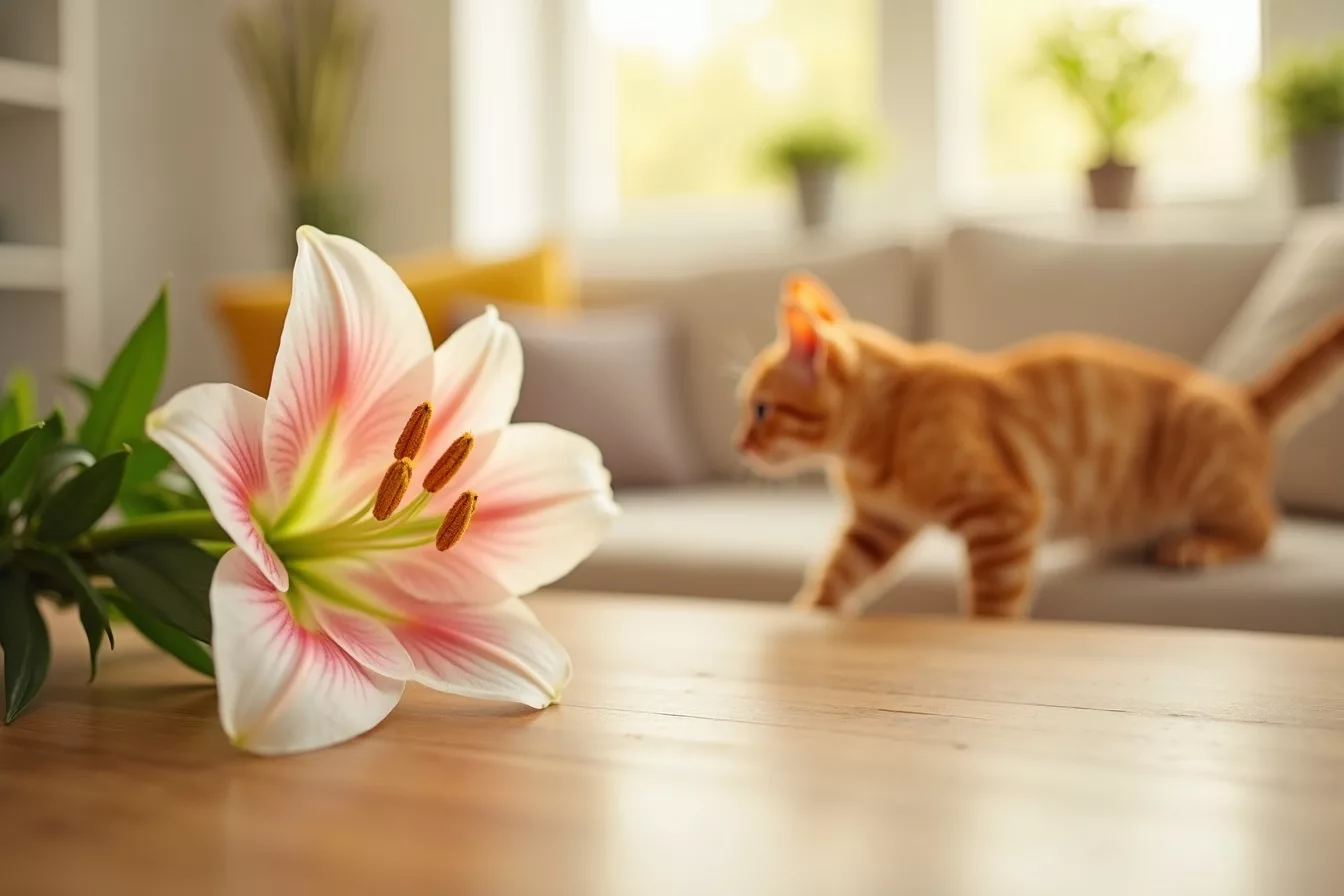

A sobering new trend is sweeping through UK veterinary practices: more cats than ever are being poisoned by a single household plant that most owners don’t realise is dangerous. According to a 2024 study by the British Veterinary Association (BVA), calls about plant toxicity in cats have increased by 43% compared to 2022. In this article you’ll discover exactly which plant is causing the crisis, the warning signs to watch for, and the one simple step that could save your cat’s life. Spoiler: it’s probably already in your home.
The culprit? Lilies—and specifically, the Asiatic and Oriental varieties that appear in countless British homes every spring and summer. Unlike other toxic plants that cause mild stomach upset, lilies are catastrophically dangerous to cats. Even tiny amounts of pollen or a few chewed leaves can trigger acute kidney failure within 24–72 hours.
“We’re seeing younger cats, older cats, indoor-only cats—it doesn’t discriminate,” says Dr Sarah Mitchell, a feline behaviour specialist at the Royal Veterinary College. “What terrifies owners most is how quickly a cat can deteriorate. One moment they seem fine; the next, they’re critically ill.”
📊 Key Figures 2025
- 43% increase in lily-related cat poisonings: BVA recorded 1,247 emergency call-outs in 2024 alone, up from 871 in 2022
- Mortality rate without treatment: 50–90%: PDSA data shows only cats treated within 18 hours of ingestion have a fighting chance
- Cost of emergency kidney treatment: £2,500–£5,000: According to UK animal hospital surveys
Sources: BVA, PDSA, RVC 2024–2025
The danger isn’t just the flower. Every part of the lily plant—petals, stamens, leaves, stems, even the water in the vase—contains toxic compounds called glycosides that attack feline kidneys. A cat doesn’t even need to eat a whole leaf; walking across pollen and then grooming their paws can be enough.
Consider the case of Milo, a 3-year-old tabby from Manchester, whose owner placed a bouquet of Oriental lilies on the kitchen table. Within hours, Milo began vomiting and became lethargic. By the time his owner recognised the symptoms and rushed him to an emergency clinic, his kidney values were already dangerously elevated. He spent five days in intensive care on intravenous fluids and medications—and he was one of the lucky ones.
⚠️ Warning
If your cat has eaten any part of a lily or come into contact with lily pollen, seek emergency veterinary treatment immediately—even if they appear well. Symptoms can take up to 72 hours to show. Don’t wait for vomiting or lethargy. Time is critical.
Why are lilies so prevalent? They’re economical for florists, stunning in arrangements, and often given as gifts. Spring bouquets in UK supermarkets frequently feature them without prominent warning labels. Many cat owners genuinely don’t know the risk until it’s too late.
The RSPCA has launched a 2025 awareness campaign urging flower retailers to include cat-safety information on packaging. “Lilies should carry the same warning as household chemicals,” says a spokesperson. However, this shift is slow, which means education falls to pet owners.
✅ Expert Tip
Ban lilies completely from your home if you have a cat—no exceptions. This includes Asiatic lilies, Oriental lilies, Stargazer lilies, Tiger lilies, and Easter lilies. If someone gifts you lilies, thank them and immediately give them to a friend without cats, or compost them. Replace them with cat-safe alternatives: sunflowers, roses (thorns removed), or gerberas.
Other household plants pose risks too, but lilies remain the emergency room’s number one plant toxin in cats. Sago palm, oleander, and yew are also highly toxic, but lilies cause the fastest, most severe organ damage.
If you’re unsure whether a plant is safe, consult the PDSA’s online plant toxicity database or ask your vet. Many owners keep a printed list on their fridge as a quick reference when accepting gifts or buying indoor greenery.
The silver lining? This crisis is entirely preventable. You don’t need emergency drugs or expensive treatments if you never bring lilies into your home in the first place. One conscious choice now could mean years of healthy, happy life with your cat later.
Have you recently brought lilies or other spring flowers into your home? If so, check your surroundings now and remove any potentially toxic plants. Talk to your family and friends about this danger—awareness saves lives.