
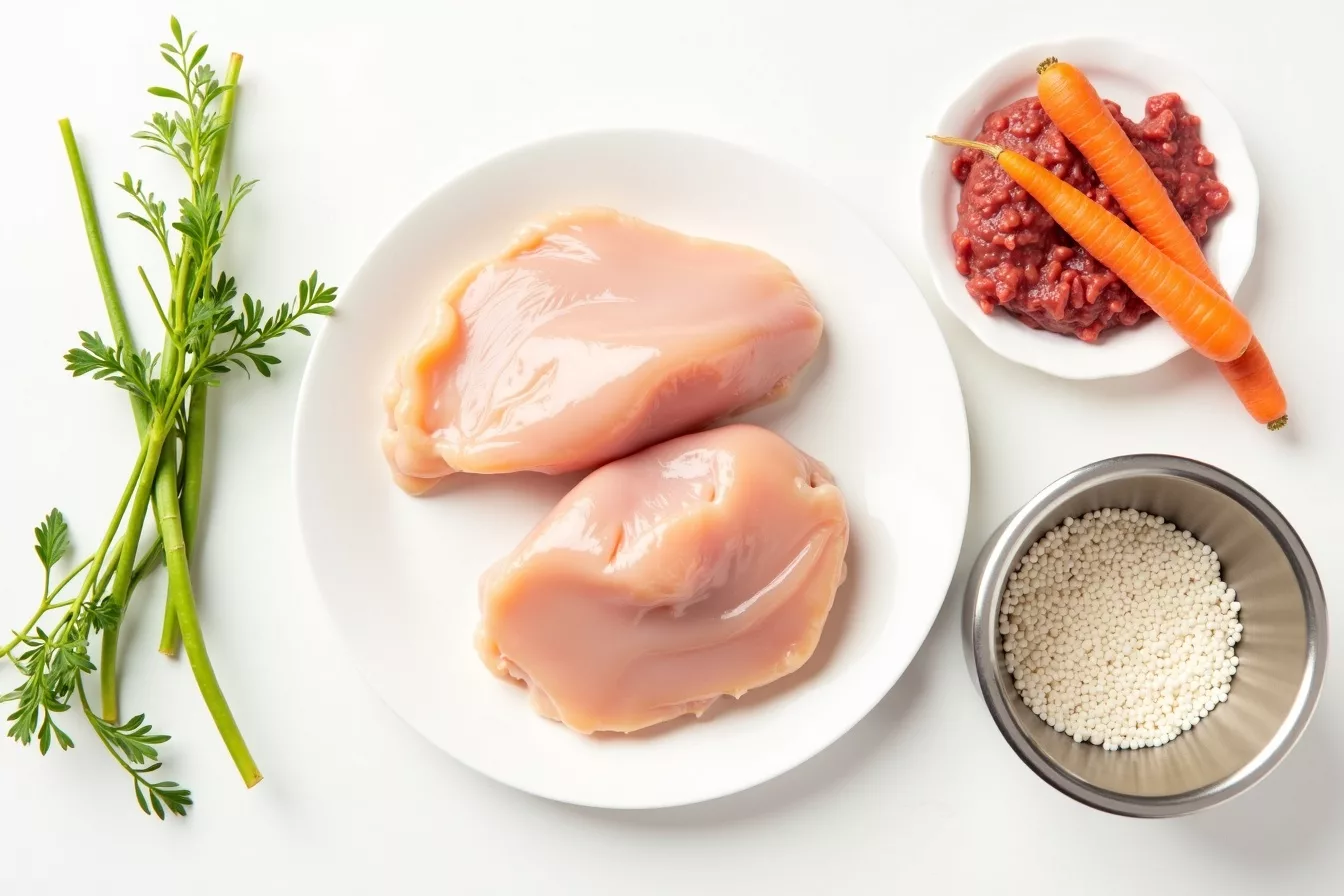

Are you feeding your dog or cat the way nature intended? A striking new survey reveals that raw pet food—long dismissed as niche—is rapidly becoming mainstream across the UK and US. The British Veterinary Association’s 2025 Pet Owner Survey found that 34% of UK pet owners now consider raw feeding, up from just 12% in 2022. In this article, you’ll discover what’s driving this shift, whether the science backs it up, and the one critical mistake most raw feeders make. Spoiler: it could affect your pet’s health.
The “BARF” movement—Biologically Appropriate Raw Food—has quietly exploded. What started as a fringe practice championed by holistic pet nutritionists is now discussed in mainstream pet forums, Instagram feeds, and even some conventional vet surgeries. But is it actually safer, or are pet owners falling for an expensive myth?
📊 Key Figures 2025
- 34% of UK pet owners now consider raw feeding, up from 12% in 2022 (British Veterinary Association, 2025)
- The raw pet food market is projected to reach £2.1bn globally by 2026, with the UK accounting for approximately £340m (Pet Food Manufacturers’ Association, 2024)
- Frozen raw food sales in the US increased by 47% year-on-year between 2023 and 2024 (American Pet Products Association, 2024)
Sources: BVA, PFMA, APPA
The trend isn’t random. Pet owners cite concerns about ultra-processed kibble, artificial additives, and a desire to replicate what their ancestors ate in the wild. “My Golden Retriever, Biscuit, from Manchester, had chronic digestive issues on commercial food,” explains Sarah Mitchell, a raw feeding advocate. “After six months on a raw diet, his coat transformed and his energy returned.” Anecdotes like Biscuit’s are fuel for the movement—but do they reflect scientific reality?
The Royal Veterinary College conducted a landmark study in 2024 examining raw diets’ nutritional adequacy. Their findings were mixed. Of 95 homemade raw diets analysed, only 21% were nutritionally complete and balanced. That’s a sobering figure that highlights why expertise matters.
“Raw feeding isn’t inherently bad,” says Dr Emma Clarke, a canine nutritionist at RVC, “but it requires rigorous planning. Many owners buy frozen patties without understanding macronutrient ratios, calcium-to-phosphorus balance, or contamination risks.” The concern isn’t just nutritional gaps—it’s food safety. Raw meat can carry pathogens like Salmonella and E. coli, posing risks to both pets and household members, particularly immunocompromised people and young children.
✅ Expert Tip
If you’re considering raw feeding, work with a Board Certified Veterinary Nutritionist (ACVN or RCVS-registered) to design a complete diet specific to your pet’s age, size, and health status. Don’t rely on generic feeding guides. For example, a 30kg Labrador needs entirely different nutrient ratios than a 5kg Pomeranian, yet both might receive identical commercial raw patties.
The RSPCA has taken a cautious stance, neither endorsing nor condemning raw feeding but emphasising the need for veterinary oversight. Their 2024 guidance warns against “raw feeding trends driven by marketing rather than evidence.” That distinction matters: social media influencers promoting raw diets often lack nutritional credentials.
Interestingly, some traditional vets are softening their stance. The rise in raw feeding has prompted veterinary schools to include raw diet assessment in curricula. The University of Edinburgh now offers postgraduate modules on pet nutrition that examine raw feeding’s pros and cons objectively—a dramatic shift from five years ago when it was largely dismissed.
⚠️ Warning
Raw feeding can be dangerous if contaminated meat isn’t handled properly. Store frozen raw food below -18°C, thaw in the fridge (never at room temperature), and wash utensils and hands thoroughly after preparation. If your pet vomits, has diarrhoea, or shows lethargy after switching to raw, contact your vet immediately. Don’t self-diagnose “detox symptoms”—it could be foodborne illness or nutritional imbalance.
What’s truly mainstream now isn’t raw feeding itself, but *informed* raw feeding. Progressive pet owners are moving beyond Instagram testimonials and actually investing in professional nutritional advice. This shift—from trend to tamed practice—suggests that 2025 may be the year raw feeding matures from fringe movement to legitimate dietary option for those willing to do the work.
The question isn’t whether raw food is inherently superior or dangerous. It’s whether you’re prepared to invest the time, cost, and expertise to do it safely. For many pets, conventional diets formulated by nutritional scientists work perfectly well. For others, raw feeding—done properly—might offer genuine benefits. The key: always consult your vet before switching, and never base the decision on marketing or social media hype alone.
Have you considered raw feeding for your pet, or are you concerned about safety? The choice reflects your pet’s unique needs—not global trends.