
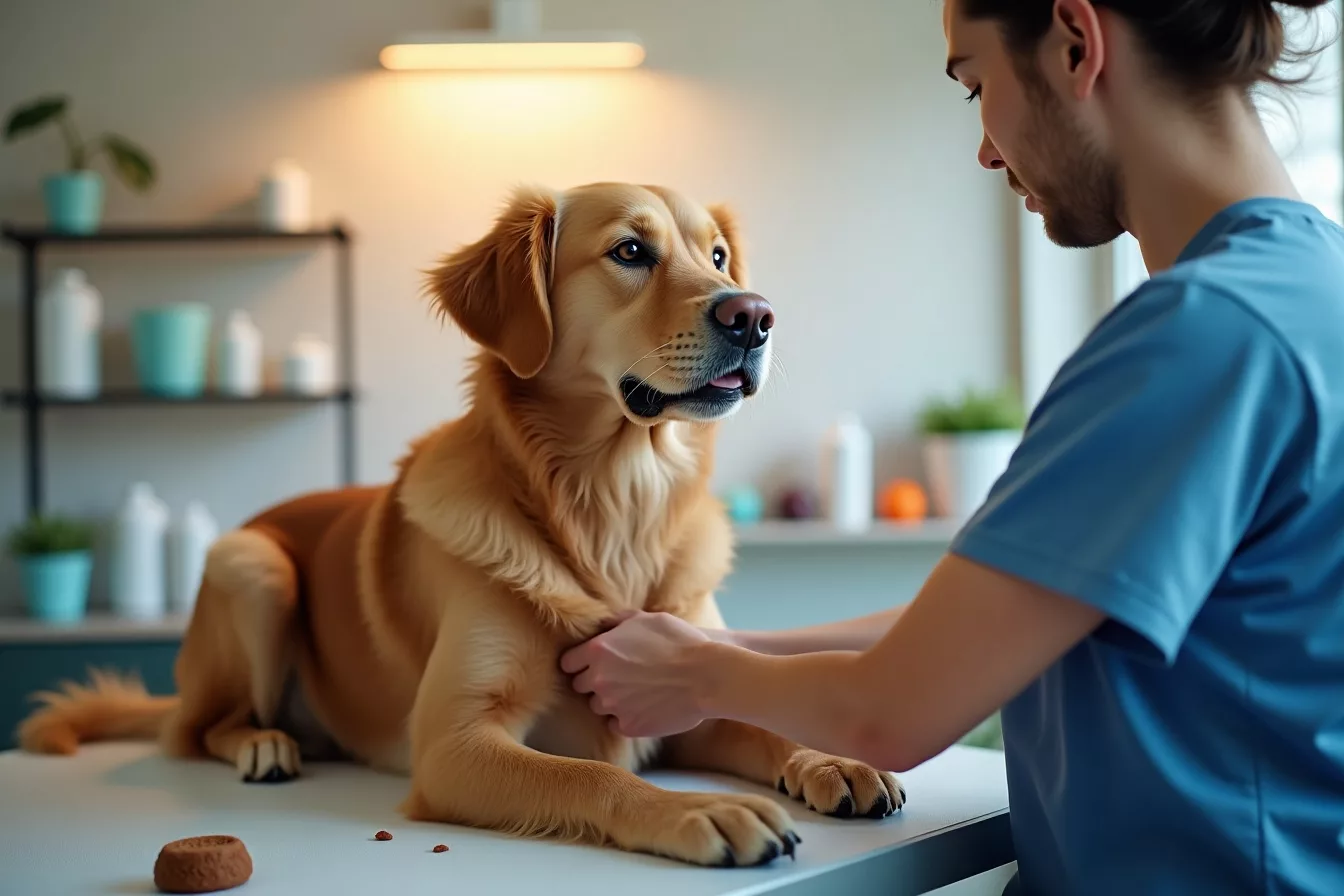

Does your dog tremble the moment you mention the word “vet”? You’re not alone. A 2025 study from the Royal Veterinary College found that 73% of dogs show measurable anxiety during veterinary visits, with many owners reporting their pets refuse to enter the clinic or hide for hours afterwards. In this article you’ll discover why your dog reacts this way—and seven proven techniques that can transform vet visits from a nightmare into a manageable experience. The most effective method? We reveal it below.
Understanding Why Dogs Fear the Vet
Your dog’s fear isn’t irrational. Vets’ surgeries are filled with strange smells, loud noises, and uncomfortable handling by strangers in white coats. Unlike humans, dogs can’t understand that a vaccination protects them—they only experience the needle.
Dogs also pick up on environmental cues: the clinic’s fluorescent lights, the scent of other nervous animals, and the very real possibility they’ll be restrained or examined in unfamiliar ways. The British Veterinary Association (2024) noted that fear-based anxiety during vet visits has increased 22% since the pandemic, likely because many dogs missed socialisation during lockdowns.
📊 Key Figures 2026
- 73% of dogs show anxiety at the vet: Royal Veterinary College study (2025) found measurable stress responses in three-quarters of canine patients.
- 22% increase in vet-related anxiety post-pandemic: British Veterinary Association data reveals dogs missed critical early socialisation.
- One in four owners avoid routine visits: PDSA survey (2024) showed pet parents delay check-ups because of their dog’s distress.
Sources: RVC, BVA, PDSA (2024–2025)
Technique 1: Start Visits Before You Actually Need Them
The best anxiety-reduction strategy begins long before your dog gets ill. Visit your vet’s surgery just to collect a treat, say hello to staff, or weigh your dog—no examination required.
Biscuit, a three-year-old Golden Retriever from Manchester, used to panic at vet visits until her owner, Sarah, spent three weeks bringing her in for “social visits.” By the fourth trip, Biscuit walked through the door without hesitation. This positive association is invaluable.
Technique 2: Practise Handling at Home
Vets need to touch your dog’s ears, paws, and mouth. If your dog isn’t used to being handled, the vet’s exam will feel invasive. Spend five minutes daily gently stroking your dog’s paws, opening their mouth, and checking their ears—as if you’re performing an exam.
✅ Expert Tip
Pair handling with treats. Every time you touch your dog’s paws, immediately reward with a favourite treat. This teaches them that handling = good things happen. A study by the International Society of Feline Medicine shows this classical conditioning reduces anxiety by up to 40%.
Technique 3: Use Calming Supplements or Adaptil
Adaptil diffusers and sprays release synthetic pheromones that mimic calming signals dogs produce naturally. These are not sedatives—they simply reduce anxiety without drowsiness. Apply Adaptil to your dog’s collar or bedding 15 minutes before heading to the clinic.
Natural supplements like L-theanine (an amino acid from green tea) and ashwagandha have been shown to reduce cortisol levels in anxious dogs. Always consult your vet before introducing supplements to ensure they don’t interact with medications.
Technique 4: Desensitise Your Dog to the Vet’s Stethoscope and Equipment
Many vets are happy to let you handle their equipment at home. Ask if you can borrow a stethoscope or similar tool, and play with it around your dog in a fun, low-pressure way. Let them sniff it, touch it, and associate it with play rather than fear.
Technique 5: Time Your Visits Wisely
Morning appointments are often quieter than afternoons. Fewer dogs in the waiting room means less sensory overload. Request the first or second slot of the day when possible, and ask staff if you can wait in a quieter room or even in your car until the vet is ready.
Technique 6: Bring a Comfort Item and High-Value Treats
Pack your dog’s favourite toy or blanket that smells like home. Bring special treats they only get at the vet—something irresistibly delicious that distracts them during the exam. Many vets actively encourage this.
⚠️ Warning
If your dog’s anxiety is so severe they won’t eat treats, bite or snap at the vet, or refuse to move, speak to your vet about anti-anxiety medication for the visit. This is a legitimate medical need and vets are trained to help. Do not attempt to force a terrified dog through an exam.
Technique 7: Ask Your Vet for a “Fear-Free” Approach
“Fear-Free Certified” veterinary clinics have undergone specialist training to minimise stress. They use gentle handling, slower movements, quiet voices, and often examine dogs on the floor rather than on a raised table. Ask your clinic if they offer this accreditation—it’s increasingly common in the UK and US.
Many vets also allow owners to stay in the exam room and speak reassuringly to their dog. Your calm presence alone can reduce your dog’s cortisol levels measurably.
The Takeaway: Small Steps Lead to Big Changes
Your dog’s vet anxiety isn’t permanent. It responds brilliantly to gradual exposure, positive reinforcement, and consistent handling practice. The 73% of anxious dogs in that 2025 RVC study can improve dramatically when owners apply even three of these techniques. Have you noticed your dog’s anxiety getting worse, or have you already tried any of these methods? Start with whichever feels most manageable for your routine—and book a social visit this week.