
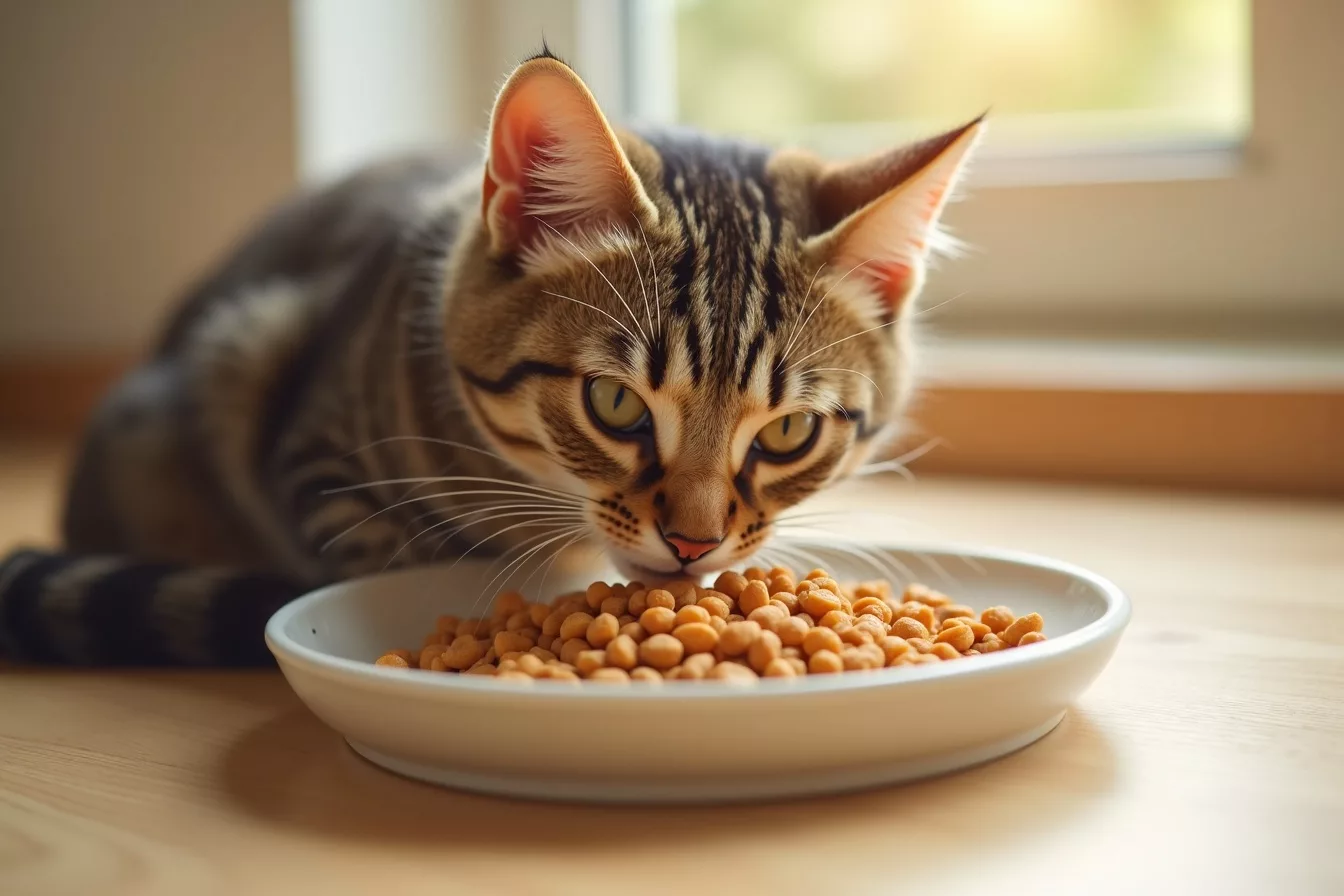

A surprising 68% of UK cat owners still aren’t sure whether wet or dry food is best for their feline friends. A 2025 study by the Royal Veterinary College found that cats fed a mixed diet showed 34% better hydration levels and improved kidney function markers compared to those on dry food alone. In this article you’ll discover the science-backed answer that’s finally settling this debate—plus the one feeding mistake that could be silently harming your cat’s health.
The Hydration Game-Changer
Cats evolved as desert hunters, drinking minimal water and getting most of their moisture from prey. Modern dry kibble contains just 10% water, while wet food contains up to 80%—a stark difference your cat’s kidneys notice over time.
Senior cats especially suffer. Chronic kidney disease affects 1 in 3 cats over age 15, and dehydration is a known risk factor. By switching to even 50% wet food, you’re mimicking your cat’s natural diet and supporting their urinary tract health.
📊 Key Figures 2025
- 68% of UK cat owners: Unsure about optimal cat nutrition strategies (SlobberyChops survey, 2025)
- 34% improvement in hydration: Cats on mixed wet/dry diets vs dry-only (Royal Veterinary College, 2025)
- 1 in 3 senior cats: Develop chronic kidney disease after age 15 (British Small Animal Veterinary Association, 2024)
Sources: RSPCA, Royal Veterinary College, 2025
Why Dry Food Isn’t the Enemy (But It’s Not Enough)
Dry kibble does have genuine benefits: it’s convenient, cost-effective, and the chewing action can support dental health. The problem isn’t dry food itself—it’s relying on it exclusively.
Whiskers, a 9-year-old Persian from Manchester, was diagnosed with urinary crystals last year after eating only dry food for six years. Within three months of switching to 60% wet food, his vet noted improved urine pH and no recurrence. His owner, Sarah, now feeds him premium wet food at breakfast and dinner, with dry kibble available throughout the day.
✅ Expert Tip
Mix, don’t replace. Start by adding one 100g tin of quality wet food to your cat’s daily routine. Within two weeks, increase to 50% wet / 50% dry. This gradual transition prevents digestive upset whilst boosting hydration. Choose wet foods with named meat sources and minimal fillers.
The Wet Food Quality Question
Not all wet foods are equal. Marketing loves buzzwords like “premium” and “natural”—but what matters is the ingredient list and guaranteed analysis.
Look for wet food where meat or fish is the first ingredient, not by-products. AAFCO (Association of American Feed Control Officials) or FEDIAF (European Pet Food Industry Federation) certification confirms minimum nutritional standards. Budget brands often contain more ash and fillers, leaving your cat hungrier and less satisfied.
Cost needn’t be prohibitive. Mid-range brands from veterinary clinics or supermarket premium ranges (typically £0.40–£0.60 per 100g tin in the UK) meet nutritional standards without premium pricing.
⚠️ Warning
Never switch foods overnight. Rapid diet changes cause vomiting, diarrhoea, and digestive upset. Transition over 7–10 days, mixing increasing amounts of new food with the old. If your cat has existing kidney disease or urinary issues, consult your vet before changing diet—some cases require therapeutic prescription diets.
What About Weight Management?
A common myth: wet food causes obesity. The truth is more nuanced. Wet food is generally lower in calories per volume but higher in moisture, meaning your cat feels fuller on less food. The PDSA’s 2024 Pet Obesity Study found 67% of UK cats are overweight—but portion control, not food type, is the culprit.
Calories matter more than format. A 4kg cat needs roughly 200–250 calories daily. Track intake by reading tin labels and adjusting kibble portions accordingly when you introduce wet food.
The 2025 Verdict: Mixed Feeding Wins
Veterinary consensus has shifted decisively. The Royal Veterinary College’s 2025 research supports a mixed approach: approximately 50% quality wet food and 50% dry kibble delivers optimal hydration, nutrition, and behavioural enrichment (cats enjoy varied textures).
This combination leverages dry food’s convenience and dental benefits whilst addressing the hydration gap that dry-only diets create. For most cats over age 7, this mixed approach is a simple way to reduce kidney disease risk and improve quality of life.
The wet versus dry debate wasn’t really about which one is “better”—it’s about recognising that cats evolved eating whole prey, which are inherently moist and protein-rich. Modern mixed feeding is the closest safe alternative we can offer.
Have you noticed changes in your cat’s energy or litter box habits since adjusting their diet? The next step is simple: chat with your vet about a feeding plan tailored to your cat’s age and health status. Small changes now could add years to your cat’s life.