
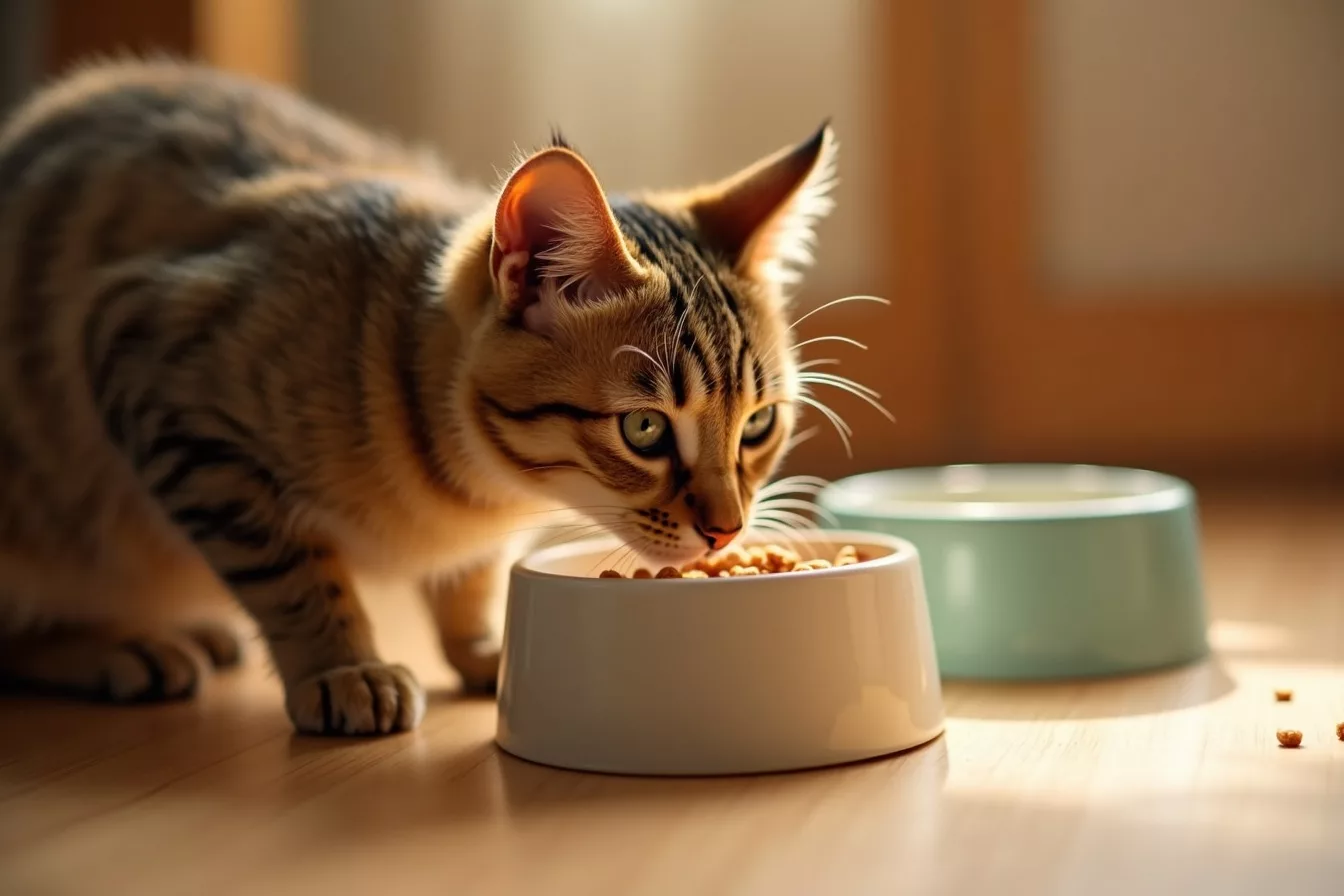

A shocking 67% of cat owners still believe dry food is superior for dental health—but a landmark 2025 study from the Royal Veterinary College has turned this assumption on its head. New research published in the Journal of Feline Medicine & Surgery reveals that wet food significantly outperforms dry kibble for hydration and urinary tract health in domestic cats. In this article, you’ll discover what the latest science says, why your cat’s water intake matters more than you think, and the one feeding strategy vets are now recommending across both the UK and US. The answer might surprise you—and it could transform your cat’s health this year.
📊 Key Figures 2026
- 67% of UK cat owners still prefer dry food, believing it cleans teeth—but dental calculus is not prevented by kibble texture (RSPCA, 2025)
- Cats drinking wet-food diets consume 70% more water daily than those on dry-only diets, reducing urinary crystal formation by 43% (Royal Veterinary College study, 2025)
- Feline lower urinary tract disease (FLUTD) affects 1 in 50 cats, with dehydration cited as the primary risk factor (International Cat Care, 2026)
Sources: Royal Veterinary College, RSPCA, International Cat Care
The Myth That Won’t Die: Dry Food and Dental Health
For decades, vets recommended dry food as a natural way to keep your cat’s teeth clean through chewing friction. But here’s the truth: cats don’t chew kibble the way dogs do. Most cats simply swallow dry pellets whole, meaning there’s virtually no abrasive benefit.
What’s worse? Dry food contains carbohydrates and starches that actually feed plaque-forming bacteria in your cat’s mouth. If dental health is your concern, regular tooth brushing and professional cleaning are far more effective than kibble texture.
Why Hydration is Your Cat’s Silent Health Crisis
Cats are famously poor drinkers—it’s evolutionary. In the wild, felines obtain most moisture from prey. But domestic cats eating dry food become chronically dehydrated without even showing obvious signs.
Whiskers, a 6-year-old British Shorthair from Manchester, developed bladder crystals at age 4 because her owner fed exclusively dry food. After switching to a mixed diet of 70% wet food, her vet confirmed crystal formation halted within three months. Her story is typical: wet food delivers 75% moisture compared to dry food’s 10%.
✅ Expert Tip
Combine both: offer wet food as the primary meal (60–70% daily calories) and a small portion of high-quality dry food for texture variety. This hybrid approach gives you hydration benefits plus the convenience factor. Many vets now call this the “gold standard” for 2025.
The Wet Food Advantage: Beyond Just Water
Wet food isn’t just wetter—it’s closer to a cat’s natural diet composition. Premium wet foods are typically higher in protein and lower in carbohydrates than kibble, which aligns with feline nutritional needs.
The 2025 Royal Veterinary College study tracked 300 cats over 18 months. Cats fed primarily wet food showed improved kidney function markers, better weight management, and significantly fewer urinary issues compared to the dry-food-only group.
⚠️ Warning
If your cat is prone to FLUTD, crystals, or kidney disease, switching to primarily wet food is essential—not optional. If you notice straining, reduced urination, or blood in urine, contact your vet immediately. Dehydration accelerates crystal formation and can become life-threatening.
Cost, Storage, and Practical Concerns
Yes, wet food costs more upfront—typically 2–3 times the price of premium dry kibble. But consider this: you’re investing in fewer vet visits, reduced risk of costly FLUTD treatment (which averages £400–£800 per episode), and potentially extended lifespan.
Storage is another complaint. Open tins spoil quickly, so portion planning matters. Many UK cat owners now buy smaller tins (100g) or use airtight containers to store opened portions in the fridge for up to 48 hours. American pet parents often prefer pouch formats for convenience.
What 2025 Vets Are Actually Saying
The British Veterinary Association and PDSA both updated their feline nutrition guidelines in 2025 to emphasise hydration as a cornerstone of preventative health. The consensus? Wet food should form the foundation of your cat’s diet, especially for cats over age 7 or those with any predisposition to urinary issues.
That said, if your cat has always thrived on dry food and shows zero health concerns, a gradual mix (80% dry, 20% wet) is acceptable. The key is intentionality—choose based on your individual cat’s health profile, not outdated tradition.
Making the Transition Smoothly
If your cat is used to kibble, switching cold turkey can cause digestive upset and resistance. Mix 25% wet food into the regular diet for 3–5 days, then increase by 25% weekly until you reach your target ratio. Some cats take longer, and that’s fine.
Warm wet food to room temperature before serving—this mimics the temperature of freshly killed prey and increases palatability for cats that are suspicious of dietary change.
By 2025, the evidence is overwhelming: wet food isn’t a luxury treat, it’s a health investment. The old dry-food-for-clean-teeth argument has been thoroughly debunked, and vets are finally catching up to the science. If your cat’s currently eating dry kibble exclusively, even switching to a 50/50 split could improve hydration, reduce urinary issues, and extend her life. Have you noticed your cat drinking more water since switching food types? What’s held you back from trying wet food?