
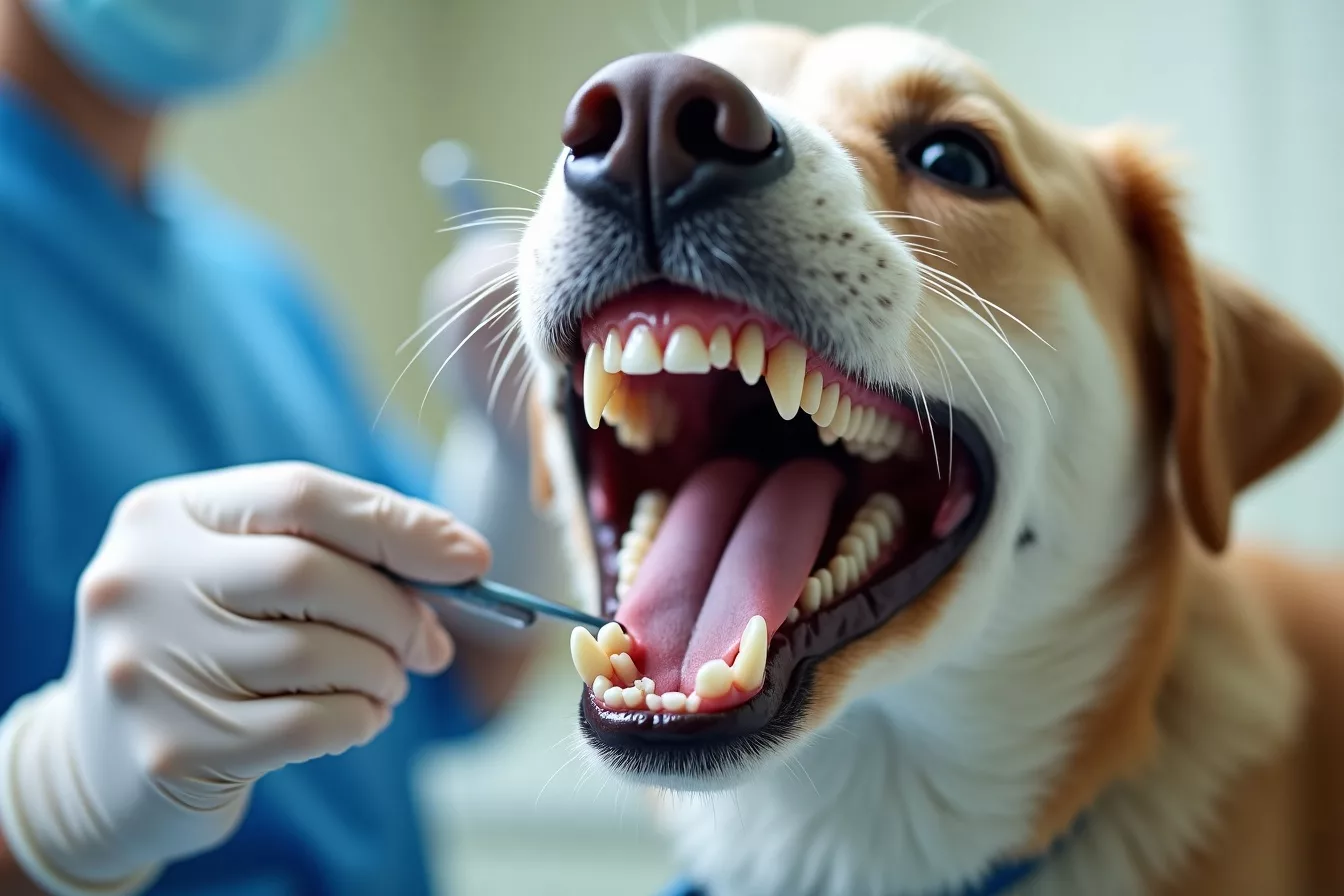

Nearly 80% of dogs over the age of three show signs of dental disease, yet most owners have no idea their furry friend’s mouth is in trouble. A 2025 study published by the British Veterinary Association (BVA) revealed that untreated plaque and tartar build-up leads to serious health complications affecting the heart, kidneys, and liver. In this article, you’ll discover what your vet truly sees during those routine check-ups, why brushing alone isn’t always enough, and the one warning sign you absolutely cannot ignore. Spoiler: it’s not always bad breath.
The Silent Problem Hiding in Your Dog’s Mouth
Your dog’s teeth don’t just affect their smile. When bacteria colonise the gums and tooth surfaces, they don’t stay put—they travel through the bloodstream, wreaking havoc on vital organs. Vets call this “oral bacteraemia,” and it’s far more common than pet owners realise.
Toby, a seven-year-old Golden Retriever from Manchester, arrived at his vet’s surgery with a swollen jaw and difficulty eating. His owner thought it was simply a passing phase. Upon examination, the vet discovered advanced periodontitis—gum disease so severe that three teeth required extraction, and underlying kidney damage was already underway. Toby’s case isn’t unique; it’s routine.
📊 Key Figures 2026
- 80% of dogs over three years old: Show clinical signs of dental disease (British Veterinary Association, 2025)
- 1 in 3 dogs: Experience tooth loss by age ten without preventative care (Royal Veterinary College, 2025)
- Periodontal disease: Increases risk of heart disease by 25-30% in dogs (University of Pennsylvania School of Veterinary Medicine, 2025)
Sources: BVA, RVC, Penn Vet, 2026
What Your Vet Actually Sees (And Why They’re Concerned)
During a dental check-up, vets use a tool called a dental probe to measure the depth of pockets between teeth and gums. Anything deeper than 3mm signals trouble. Many owners are shocked to learn their dog has stage three or four periodontal disease—visible only under professional examination.
Tartar accumulation, red or swollen gums, and loose teeth are the hallmarks. But here’s what surprises most owners: your dog won’t necessarily show obvious pain. Dogs are stoic creatures, and by the time they limp or refuse food, serious damage has already occurred.
✅ Expert Tip
Start a daily teeth-brushing routine using canine toothpaste (human toothpaste contains fluoride that’s harmful to dogs). Aim for at least four times per week; daily is ideal. Use a soft-bristled toothbrush or finger brush, and make it a game your dog enjoys. Example: brush for 30 seconds, then reward with a toy. Consistency matters far more than perfection.
Prevention: Why Brushing Isn’t the Whole Picture
Brushing is essential—it removes plaque before it hardens into tartar. However, even diligent brushing cannot prevent all dental disease. Diet, genetics, saliva composition, and breed play crucial roles.
Small breeds like Chihuahuas and Toy Poodles are genetically predisposed to crowded teeth and gum recession. Larger breeds may develop bone loss more aggressively. Wet food, whilst softer, increases plaque formation compared to kibble or raw diets that provide natural abrasion.
⚠️ Warning
If your dog shows any of these signs—persistent bad breath, drooling, difficulty chewing, loose teeth, bleeding gums, or facial swelling—book a vet appointment immediately. These may indicate advanced periodontal disease or tooth abscess requiring urgent treatment. Delaying diagnosis increases the risk of bone loss and systemic infection.
Professional Cleaning: What Happens Under Anaesthesia
A professional clean isn’t optional—it’s the only way to remove tartar beneath the gum line. During the procedure, vets use an ultrasonic scaler to break apart hardened deposits, then polish teeth and apply fluoride sealant.
The cost typically ranges from £300–£800 depending on severity, but it’s a one-off investment compared to the lifetime expense of managing kidney or heart disease linked to untreated dental infection.
The 2025 Study That Changed Vet Recommendations
Research from the Royal Veterinary College in 2025 found that dogs receiving annual dental checks and twice-yearly professional cleanings lived an average of 1.5 years longer than those with no dental care. This isn’t just about teeth—it’s about longevity and quality of life.
Your vet would rather spend ten minutes discussing prevention today than perform emergency extractions tomorrow. Make dental health part of your dog’s annual health plan, not an afterthought.
✅ Expert Tip
Introduce water additives (veterinary-approved) and dental chews specifically formulated to reduce plaque. Products containing enzymes like glucose oxidase have clinical backing. However, these supplement—never replace—brushing. Combine with chew toys that promote mechanical cleaning without damaging teeth (avoid extremely hard objects like bones and antlers).
Your Next Step: Create a Dental Action Plan
Schedule a dental assessment with your vet this month if your dog is over five years old or shows any warning signs. Ask your vet to grade your dog’s periodontal health on the AVDC scale (stages 0–4). Start a brushing routine today, even if it’s just three times a week. Small, consistent effort prevents expensive emergency care later.
Your dog relies on you to notice what they cannot tell you. Their teeth are telling a story—will you listen? Have you noticed changes in your dog’s breath or eating habits recently?