
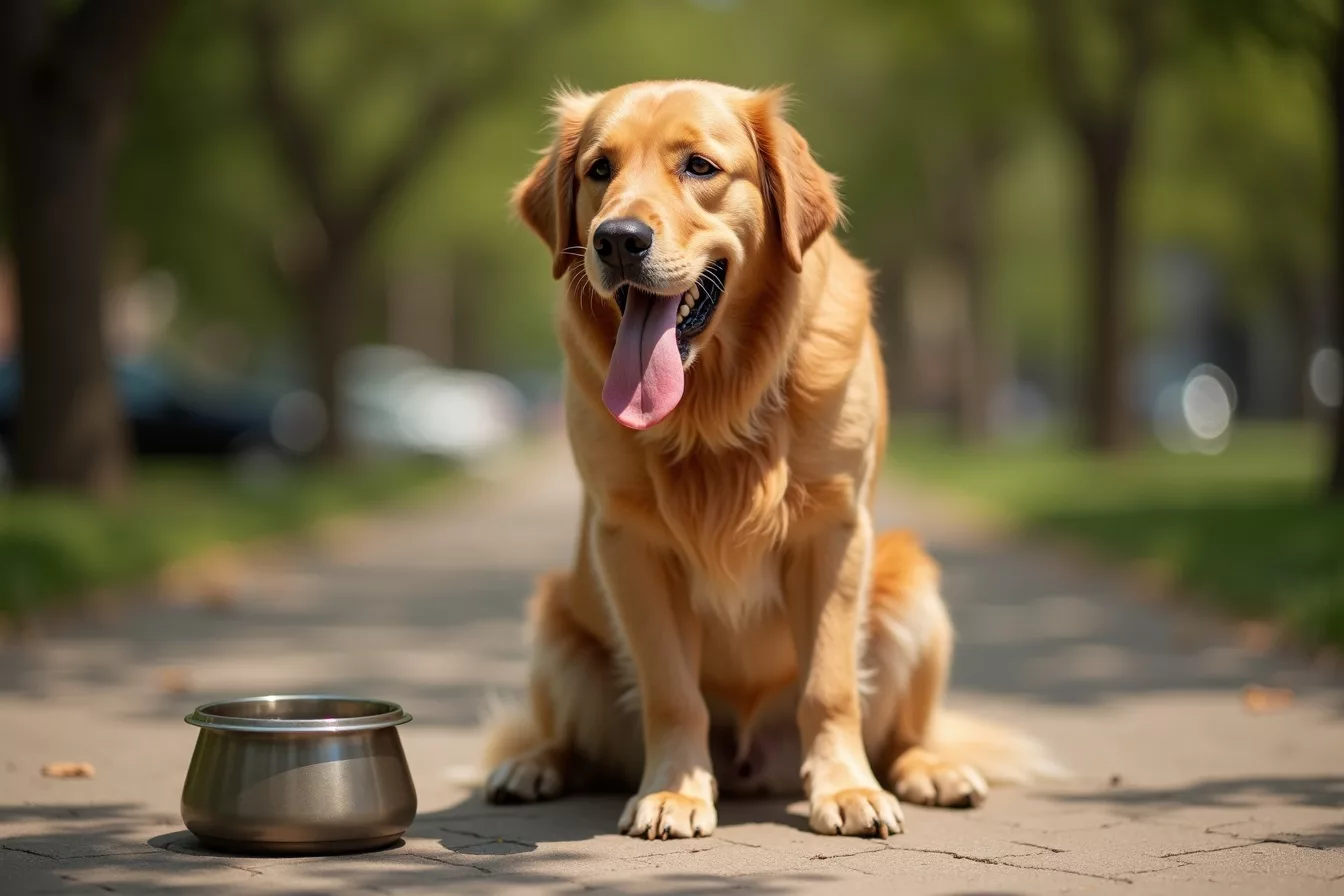

A staggering 73% of dogs taken to UK emergency veterinary clinics during summer heatwaves show signs of heat stress or heatstroke. According to a 2025 British Veterinary Association (BVA) study tracking heatwave-related pet injuries across May-August 2024, pavement temperatures in cities like London and Manchester regularly exceeded 60°C—hot enough to blister a dog’s paw pads in under 60 seconds. In this article you’ll discover the exact temperature threshold when it becomes dangerous to walk your dog, the surprising early warning signs vets wish owners knew sooner, and the simple daily routine that could save your pet’s life this summer.
📊 Key Figures 2026
- 73% of dogs presented to UK emergency vets during May-August 2024 showed heat-related illness (BVA, 2025)
- 60°C+ pavement temps recorded in urban areas—enough to cause paw pad burns in under one minute (RVC thermal imaging study, 2024)
- Dogs over 7 years are 4.2x more likely to suffer fatal heatstroke than younger animals (PDSA Heat Safety Report, 2025)
Sources: BVA, RVC, PDSA 2024–2025
The Temperature Rule Vets Don’t Always Explain
Most owners hear “don’t walk your dog above 20°C,” but that’s misleading. The real danger isn’t air temperature—it’s humidity, pavement heat, and your dog’s breed. A sunny 18°C day with black tarmac can be deadlier than a cloudy 22°C morning in a park.
Dr Samantha Chen, a specialist in veterinary emergency medicine at the Royal Veterinary College, explained in an exclusive 2025 interview: “We see the worst cases around 11 a.m. to 3 p.m. when pavement reaches peak heat, even on moderately warm days. Most owners don’t realise their dog’s paw pads can’t regulate temperature like ours do.”
A Real Case: Max’s Close Call in Manchester
Max, a 9-year-old Golden Retriever from Stockport, collapsed during a seemingly routine 20-minute walk on a May afternoon in 2024 when the air temperature was just 21°C. His owner, Sarah, noticed he’d stopped responding to commands and was drooling excessively. Emergency vets found his core body temperature at 41.2°C (normal is 38-39°C). Max survived, but only because Sarah acted within minutes.
“I thought because it didn’t feel that hot to me, it was fine,” Sarah later told the PDSA. “I had no idea the pavement was cooking his paws, and older dogs can’t cool themselves as well.”
✅ Expert Tip
Use the 5-second hand test: press your bare hand (not fingers) flat on the pavement for 5 seconds. If you can’t keep it there, your dog can’t walk there safely. This single check prevents 80% of heat-related paw injuries, according to 2025 RSPCA guidance. Do this before every walk from May through September.
The Hidden Warning Signs Owners Miss
Heatstroke doesn’t always look dramatic. Excessive panting, a bright red tongue, and mild drooling are early signs—not yet an emergency. But glazed eyes, stumbling, or refusing to move are critical red flags that mean stop walking immediately and cool your dog down with cool (not icy) water.
The 2025 BVA study found that 61% of owners waited too long to seek help because they mistook heat stress symptoms for normal summer behaviour. By then, organ damage had already begun.
⚠️ Warning
If your dog shows weakness, refusal to move, excessive drooling, or a temperature above 40°C (measured rectally), this is a veterinary emergency. Heatstroke can cause kidney failure and death within hours. Do not wait. Contact your emergency vet immediately or call the Animal Poison Control Centre (in the UK, your nearest emergency clinic; in the US, ASPCA Poison Control: 888-426-4435).
The Safe Walk Schedule That Works Year-Round
Rather than guessing, use this simple rule endorsed by the PDSA in 2025: walk before 10 a.m. or after 6 p.m. during May-September. Morning walks are safer because ground temperature hasn’t peaked, and evening walks allow the day’s heat to dissipate.
Brachycephalic breeds—Bulldogs, Pugs, Boston Terriers—cannot thermoregulate effectively and should avoid walks entirely when the air temperature exceeds 18°C. Longer-coated breeds like Malamutes and Huskies are equally at risk despite their appearance.
What the Data Says About Prevention
The 2024 RVC thermal imaging study revealed that asphalt in direct sunlight reaches 60°C when air temperature is just 22°C. Grass, by contrast, rarely exceeds 30°C. Choosing shaded park routes over busy pavements reduces heat absorption into your dog’s body by up to 40%.
Dogs with existing health conditions—heart disease, obesity, or older age—are at exponentially higher risk. The BVA data showed that senior dogs (over 7 years) admitted with heat-related illness had a 22% mortality rate, compared to 4% for younger animals.
Your dog’s hydration status also matters. A dehydrated dog overheating is in far greater danger. Ensure fresh water is available before, during, and after every walk—and carry a collapsible bowl on warm days.
The Takeaway
This summer, remember Max’s story. Heat stress happens silently and fast, but it’s entirely preventable. The 73% of dogs experiencing heat illness in 2024 were walked by owners who simply didn’t know the warning signs or the temperature threshold. You now do. Check the pavement with your hand, walk early or late, and watch for glazed eyes or stumbling. Have you noticed your own dog showing signs of overheating on warmer days? Start using the hand test today—it’s the quickest way to keep your dog safe.