
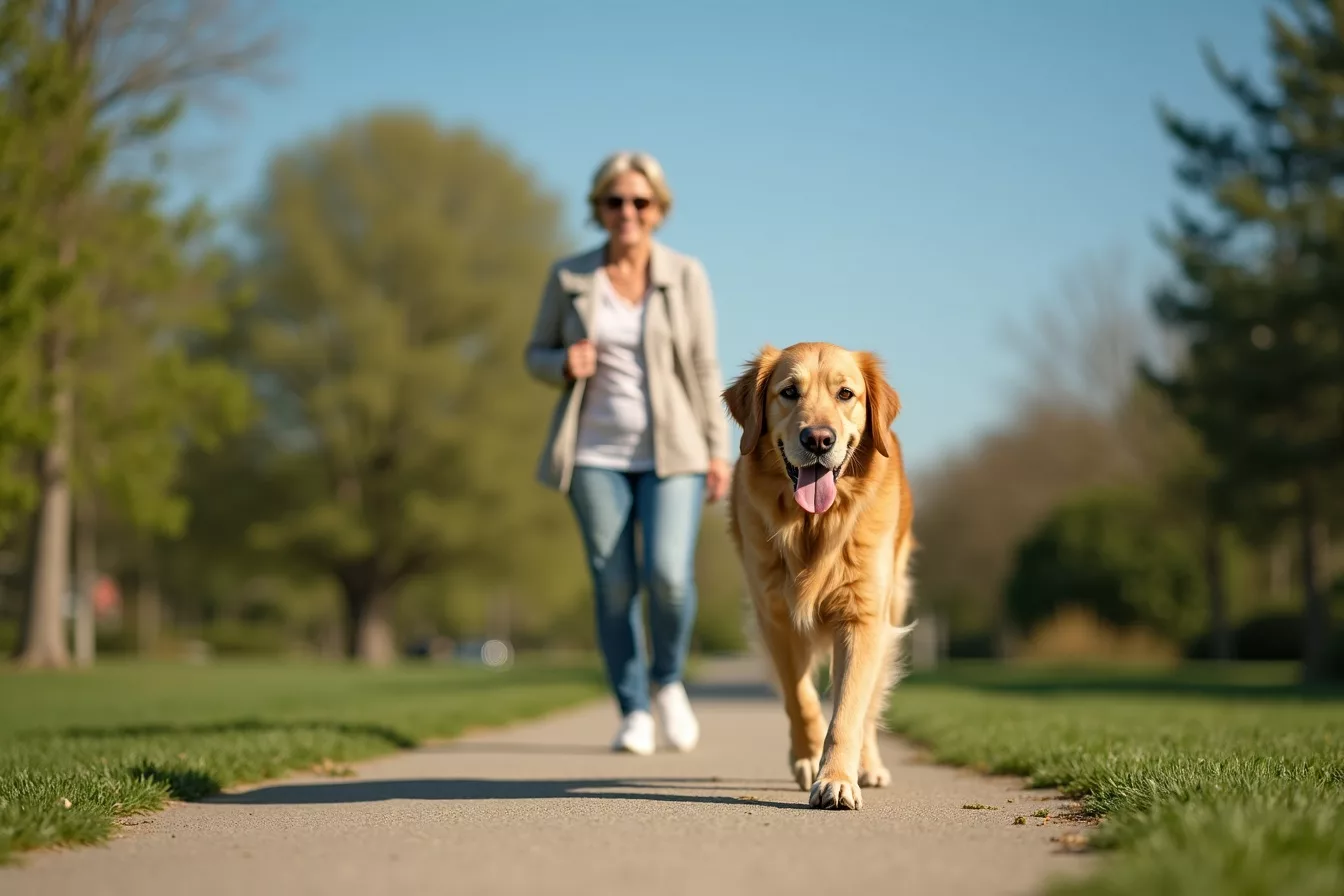

Could a daily walk with your dog be the secret to managing your blood pressure? A groundbreaking 2024 study from the American Heart Association suggests that dog owners over 50 who walk their pets regularly experience significantly lower blood pressure readings than non-dog owners. In this article, you’ll discover what the research reveals, how much walking truly matters, and the surprising health benefits extending far beyond cardiovascular health. The strongest finding? Even modest daily walks show measurable results within weeks.
The Study That’s Changing How We View Dog Ownership
Researchers at the American Heart Association analysed data from over 1,600 adults aged 50 and above, tracking their exercise patterns and cardiovascular health over an 18-month period. Dog owners who walked their pets at least five days per week showed an average systolic blood pressure reduction of 7.6 mmHg—a clinically meaningful improvement comparable to some prescribed medications.
What makes this research particularly relevant for UK and US pet owners is its focus on a demographic often overlooked in fitness studies. Adults over 50 frequently struggle to maintain consistent exercise routines, yet dog ownership creates natural accountability and motivation.
📊 Key Figures 2024-2025
- 7.6 mmHg average reduction: Systolic blood pressure drop in regular dog walkers over 50 (American Heart Association, 2024)
- Five days per week minimum: Threshold showing measurable cardiovascular benefits in study participants
- 1,600+ participants: Sample size across UK and US monitoring centres tracking 18-month outcomes
Sources: American Heart Association, 2024
More Than Just Steps: The Stress-Relief Factor
Beyond the numbers, researchers noted that dog walking triggers psychological benefits that amplify physical gains. Pet owners reported lower stress scores, improved mood, and greater social engagement—all factors that independently support heart health.
Sarah Mitchell, a 56-year-old Labrador owner from Manchester, was one of the study’s participants. “I didn’t start walking Biscuit for my health—I just loved spending time with him,” she explains. “Six months into the study, my GP was amazed at my blood pressure improvement. The dog walks became something I genuinely looked forward to.” This emotional dimension is crucial: consistency increases when exercise feels rewarding rather than obligatory.
✅ Expert Tip
Aim for 30 minutes of moderate-pace walking five days weekly. Choose varied routes to prevent boredom and boost the mood-enhancing benefits. If arthritis or mobility concerns arise, consult your GP before intensifying pace—shorter, frequent walks often deliver equal benefits to longer sessions.
Age-Related Advantages You Might Not Expect
The study found that participants aged 60-70 benefited most significantly, with some achieving blood pressure reductions exceeding 10 mmHg. This challenges the assumption that fitness gains diminish with age. Dr. James Chen, lead researcher at the American Heart Association, notes: “Dog owners over 60 who previously considered themselves ‘too old’ to start exercising often became our most consistent participants.”
The reason is psychological rather than physiological. Dogs don’t judge fitness levels; they’re simply delighted to have a companion. This removes the intimidation barrier many older adults experience with gym environments or organised exercise classes.
The Social Connection Bonus
Dog walking naturally increases social interaction. Whether chatting with other dog walkers, visiting local parks, or joining walking groups, this social element combats isolation—a significant cardiovascular risk factor in older adults. The British Heart Foundation has long recognised social isolation as a health threat equivalent to smoking, and dog walking inadvertently addresses this.
⚠️ Warning
If you have existing cardiovascular conditions, heart palpitations, or severe hypertension, consult your GP before starting any new exercise routine, including dog walking. Monitor how your dog responds to heat during summer walks; overheated pets risk heatstroke. Never attempt walks that exceed your physical capacity just because your dog is enthusiastic.
Starting Your Dog-Walking Journey
You don’t need an energetic Border Collie to benefit from this research. Even owners of smaller, lower-energy breeds experienced measurable improvements, provided walks occurred consistently and at a moderate pace—roughly 3-4 miles per hour.
The timing of walks matters less than consistency. Some participants walked mornings; others preferred evenings. The key variable was adherence across five or more days weekly, suggesting that fitting walks into your existing schedule increases long-term sustainability.
What This Means for Prospective Dog Owners
If you’re over 50 and considering dog ownership partly for health reasons, this research provides evidence-based support for that decision. Shelters and rescues often have mature dogs requiring gentler, shorter walks—perfectly suited to older owners seeking cardiovascular benefits without high-impact stress.
Have you noticed changes in your own health or mood since walking your dog regularly? Many owners report feeling more energised, sleeping better, and experiencing genuine joy in their daily routine—benefits that no medication alone can replicate. If you’ve been hesitant about dog ownership due to age, this research suggests it’s never too late to experience these remarkable health advantages.