
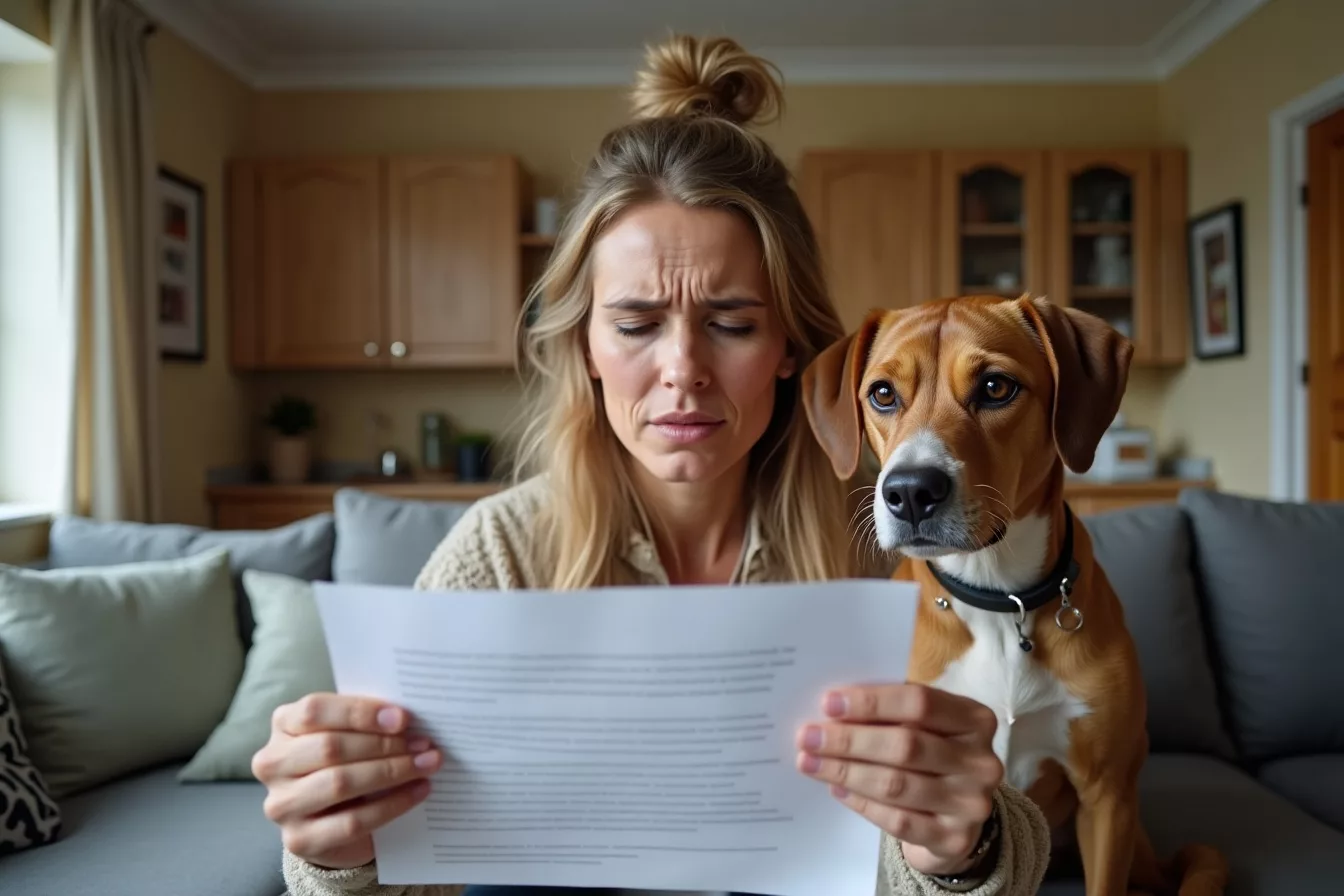

Your pet’s insurance bill is about to shock you. New data reveals UK pet insurance premiums have surged 18% since January 2025, leaving millions of owners scrambling for answers. Research from the British Veterinary Association (BVA) and Defra’s 2025 Pet Ownership Report confirms this is the steepest annual climb in over a decade. In this article you’ll discover why costs are spiralling, which breeds face the biggest hikes, and the three strategies that could save you hundreds of pounds this year—including one insider tip that insurers don’t advertise.
The cost-of-living crisis has finally caught up with our furry friends. Vets across the UK are reporting record claims for chronic conditions like diabetes and arthritis, whilst treatment costs themselves have risen due to inflation and specialist care availability. Insurance companies are passing these expenses straight to pet owners.
📊 Key Figures 2025
- 18% average premium increase: UK pet insurance costs have risen sharply since January 2025, with some breeds seeing 25% hikes (BVA Pet Wellbeing Report, 2025).
- £1,200+ annual cost: Average comprehensive dog insurance now exceeds £1,200 per year for medium-sized breeds, up from £1,015 in 2024 (Defra Pet Ownership Survey, 2025).
- 62% of owners underinsured: Over three-fifths of UK pet owners lack adequate cover for emergency veterinary bills (RSPCA Financial Hardship Study, 2024-2025).
Sources: British Veterinary Association, Defra, RSPCA
Why Are Premiums Rocketing?
Three factors are driving the 2025 surge. First, vets themselves are raising fees—a spaniel’s hip dysplasia scan now costs £450–£600, up from £350 in 2022. Second, insurers are tightening underwriting after record claim volumes in 2024. Third, older pets are being priced out: a 9-year-old Labrador Retriever might now cost £2,000+ annually to insure.
Emma Davies, a pet owner from Manchester, experienced this firsthand. Her 7-year-old Cocker Spaniel, Biscuit, saw her renewal jump from £780 to £925 overnight. “I nearly cancelled,” Emma told us. “But when Biscuit developed pancreatitis three months later, I was grateful I kept the policy.”
Which Pets Are Hit Hardest?
Brachycephalic breeds—Bulldogs, French Bulldogs, Pugs—face the worst increases. These breeds are genetically prone to breathing difficulties, skin infections, and eye problems. A French Bulldog’s premium has jumped 22–28% on average. Large breeds like German Shepherds and Golden Retrievers aren’t far behind at 19% increases, due to joint disease prevalence.
Cats have fared slightly better, with average increases around 12–15%, though this varies by age and pre-existing conditions.
✅ Expert Tip 1: Lifetime vs. Per-Condition Cover
Switch to “lifetime” or “per-condition” policies before your pet develops a chronic illness. Once a condition is diagnosed, most providers exclude it permanently under “per-claim” or “annual” plans. A dog diagnosed with arthritis at age 5 could face a £500+ annual excess for 10 years under cheaper policies. Lifetime cover costs more upfront (typically £80–120 extra per year) but saves thousands if your pet develops a long-term condition.
✅ Expert Tip 2: Multi-Pet Discounts & Payment Plans
If you own two or more pets, insure them together—most UK insurers offer 10–15% discounts for multi-pet bundles. Also, pay annually instead of monthly; monthly payments attract interest of 15–20% APR. Paying £1,200 in one lump sum saves roughly £180 compared to 12 monthly instalments of £105.
✅ Expert Tip 3: The “Waiting Period” Loophole
Insurers impose waiting periods (usually 14 days for accidents, 30 days for illnesses) before cover begins. If your pet is already showing symptoms, insurers may reject future claims as “pre-existing.” Act now: get your pet a health check before renewing, document any current issues with your vet, and disclose everything on the new application. This transparency protects you from claim rejection later.
Smart Strategies to Cut Costs
Don’t just accept the renewal quote. Shop around: identical coverage varies by £300–£500 between insurers. Use comparison sites, but also check niche insurers specialising in older pets or high-risk breeds. Some providers offer loyalty discounts only if you ask—call your insurer directly.
Prevention is cheaper than cure. Maintain your pet’s weight, brush teeth daily to avoid dental disease (now costing £600–£1,200 to treat), and keep vaccinations current. Pet obesity alone increases insurance risk by 40%; a slim pet costs less to insure.
Consider raising your excess from £100 to £250. This instantly cuts premiums by 15–20%. For routine dental or behavioural issues you might handle out-of-pocket, this trade-off works.
⚠️ Warning: Claims Rejection Risks
Never delay reporting symptoms to your vet. If you wait three weeks to claim for a condition, insurers may argue it’s “pre-existing” and reject payment entirely. Additionally, if you insure a pet after diagnosis—even if the vet wasn’t formal—expect rejection. Always declare any health concerns at the point of purchase or renewal.
The Bigger Picture
Rising pet insurance costs reflect the reality of modern veterinary medicine. Advanced treatments—MRI scans, orthopaedic surgery, chemotherapy—save lives but cost thousands. The RSPCA reports that financial barriers prevent 1 in 4 UK pet owners from seeking necessary vet care, a troubling statistic.
Consider setting aside £50–£100 monthly into a “pet emergency fund” alongside insurance. This hybrid approach covers gaps, co-pays, and unexpected costs between claims.
Pet insurance premiums aren’t falling anytime soon. The 18% jump in 2025 is a wake-up call: if you’re uninsured or underinsured, act this month before your pet ages further or develops a condition that becomes uninsurable. The difference between a £60/month policy today and a rejected claim in two years is the difference between a healthy, treated pet and heartbreak. Have you already noticed your renewal spike? The time to act is now, not when the next bill arrives.