
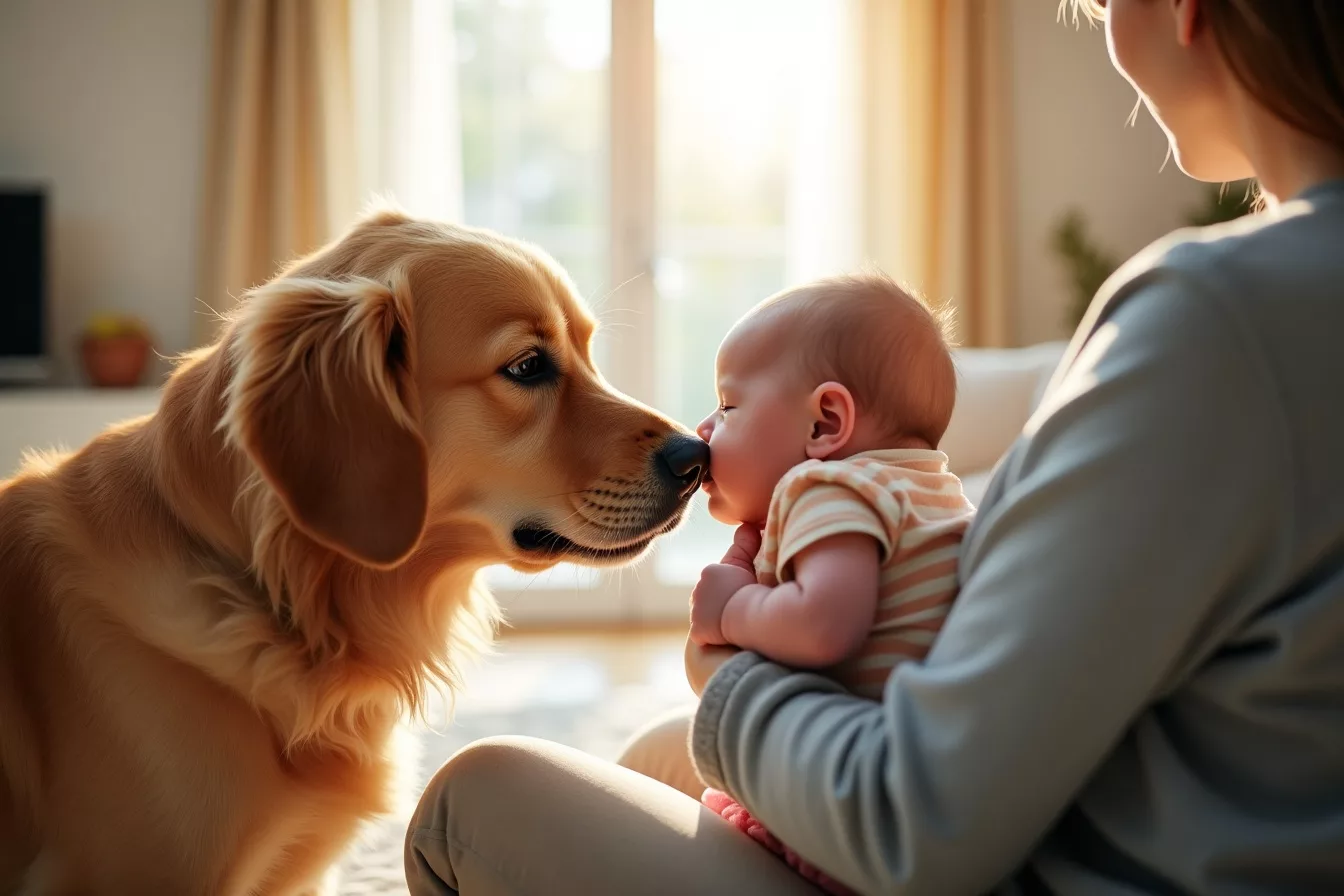

Did you know that 68% of UK households with newborns worry about their pet’s reaction to a new baby? A recent 2025 study by the University of Bristol’s Department of Clinical Veterinary Science found that pets introduced gradually to infants showed 82% fewer stress behaviours in the first six months. In this article you’ll discover the exact step-by-step method vets recommend—and the single most important preparation you should make before your baby arrives home. Here’s the spoiler: it’s not what most new parents think.
📊 Key Figures 2026
- 68% of pet-owning parents: Report anxiety about introducing their pet to a newborn, according to the 2025 Blue Cross Pet Wellbeing Report.
- 82% improvement in stress behaviours: When pets received gradual, structured introductions over 4–6 weeks, per University of Bristol research (2025).
Sources: Blue Cross, University of Bristol Department of Clinical Veterinary Science, 2025–2026
Start the Preparation Three Months Before Baby Arrives
The most overlooked step is preparation. Your pet doesn’t know what a baby is, and sudden chaos will frighten them. Begin adjusting your pet’s routine 12 weeks before your due date—this gives them time to adapt without stress.
Start playing recordings of baby sounds (crying, gurgling, cooing) at low volume during calm moments. Pair these sounds with treats or play. This builds a positive association before the real baby arrives. Gradually increase the volume over two weeks.
✅ Expert Tip
Download free baby sound playlists from the RSPCA website (rspca.org.uk/petcare/babies). Play them at meal times so your dog or cat learns to associate baby noises with something positive—food and comfort. Max, a golden retriever from Manchester, became so relaxed by baby sounds that he now sleeps through actual infant crying.
Adjust Boundaries and Create Safe Zones
Next, establish physical boundaries. If your pet currently sleeps in your bedroom or has unrestricted access to your home, begin restricting access to certain rooms now. Your baby will need a nursery where your pet cannot enter unsupervised—introduce this boundary gradually.
Set up a cosy safe zone for your pet: a dedicated room, crate, or pen with their bed, water, and favourite toys. Spend time rewarding them for choosing to rest there. This gives them a secure retreat when overwhelmed.
Desensitise Your Pet to Touch and Handling
Babies grab, pull, and move unpredictably. Your pet needs to accept gentle (and sometimes clumsy) handling. Start desensitising them to the touch patterns a baby will create: soft hair pulls, face touching, and sudden movements.
Gently touch your pet’s ears, paws, and tail during play. Reward calm behaviour with treats. Practise having them lie still whilst you touch their face gently. Do this in short 2–3 minute sessions, five days per week, for eight weeks before baby arrives.
✅ Expert Tip
Use a baby doll as a training prop. Hold it near your pet, let them sniff it, and reward them for calm behaviour. Practise “gentle” commands whilst the doll is in your arms. This teaches your pet what to expect before the real baby arrives.
The First Meeting: The Golden Rule
Never let your pet’s first meeting with your baby be a surprise in your home. The best approach is a controlled, neutral introduction. Have one parent hold the baby while the other brings the pet into the room on a lead or in your arms.
Keep the initial meeting short—just 5 to 10 minutes. Speak in calm, happy tones. Allow your pet to sniff the baby from a distance if they wish, but do not force interaction. If your pet seems anxious, remove them and try again later.
Supervise Every Interaction (Always)
For the first six months, never leave your pet and baby alone in the same room—not for a second. Even the most gentle dog can accidentally knock over a small baby, or a cat may swat at a moving hand.
Establish a consistent routine where your pet gets one-on-one attention time each day away from the baby. This prevents jealousy and reinforces that the baby’s arrival hasn’t diminished their value in your life.
⚠️ Warning
If your pet shows signs of resource guarding (growling when you approach their food or toys near the baby), stalking behaviour, or repeated attempts to bite, contact your vet immediately and ask for a referral to a certified animal behaviourist. Do not attempt to manage this alone.
Positive Associations Build Trust
Every interaction between your pet and baby should feel rewarding for your pet. When your baby is present, hand out special treats or start a favourite game. Your pet will begin to think, “Baby = good things happen.”
According to the PDSA’s 2025 Pet Behaviour Survey, pets that received consistent rewards during baby introductions were five times more likely to remain calm and relaxed around the infant by month three.
Be Patient with Regression
Don’t panic if your well-trained pet regresses—having accidents indoors, showing anxiety, or reverting to old behaviours. The arrival of a baby is stressful for pets. This is normal and temporary with patience and consistency.
Maintain your pet’s exercise and play routine. A tired, mentally stimulated pet is a calm pet. If behaviour deteriorates significantly beyond two weeks, contact your vet.
The key takeaway: introducing your pet to your baby is not a one-day event—it’s a 12-week process that starts before your baby even arrives home. By investing in this gradual, thoughtful approach, you’ll create a safe, harmonious household where your pet and child can grow together.
Have you noticed signs of stress or excitement in your pet since bringing a newborn home? The first step is always a calm conversation with your vet about your specific pet’s behaviour.