
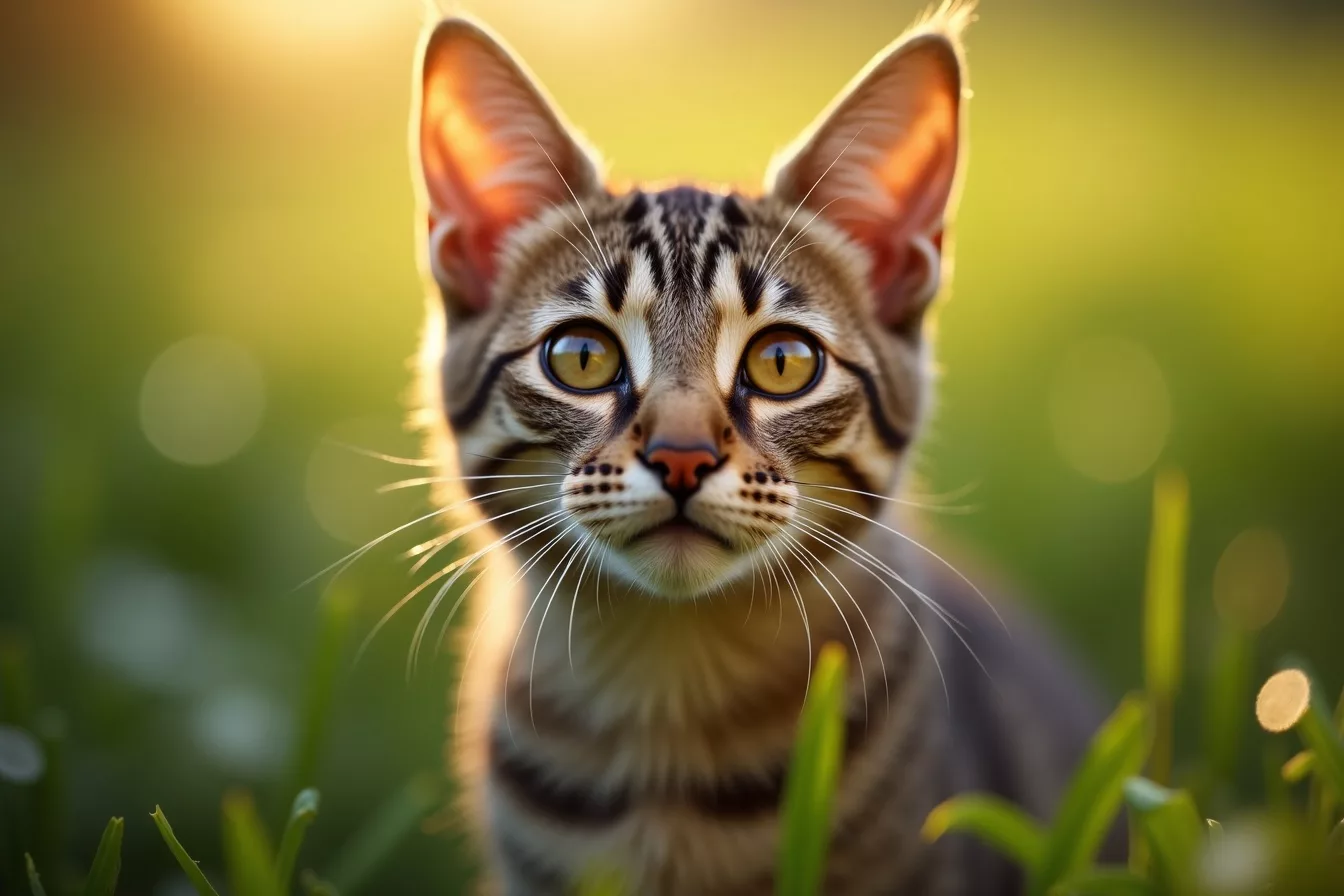

That moment you step onto your kitchen tiles and spot a headless mouse. Your stomach drops. But here’s what might surprise you: 73% of cat owners report their feline has gifted them a dead animal at least once, according to a 2025 survey by the Royal Veterinary College. A groundbreaking study published in *Applied Animal Behaviour Science* (2025) has finally decoded this baffling behaviour—and the results will change how you see those grisly presents. In this article, you’ll discover the three main reasons your cat hunts and what each gift actually means. Most importantly, you’ll learn the one response that reinforces this behaviour (and how to gently discourage it).
📊 Key Figures 2026
- 73% of cat owners have received a dead animal gift from their cat (Royal Veterinary College, 2025)
- 45% of cats in the UK hunt at least once weekly, with outdoor cats bringing kills to owners 3x more often than indoor cats (PDSA Animal Wellbeing Report, 2025)
Sources: Royal Veterinary College, PDSA, 2025–2026
The Three Gifts Your Cat is Trying to Give You
1. A Sign of Affection and Bonding
The most common reason? Your cat loves you. Seriously. Cats in the wild hunt alone, but they bring kills to their kittens and family members to teach them survival skills. When Mittens drops a sparrow at your feet, she’s treating you like family—extending her maternal instinct (or paternal, in the case of male cats) to you, her human.
A 2025 study from the University of Lincoln found that cats who bring gifts to their owners show significantly higher attachment behaviours, including head-bumping, purring, and seeking proximity. In other words, that dead pigeon is your cat’s twisted love letter.
2. A Hunting Lesson for an “Incompetent” Human
Cats also view their human companions as part of their social group—but a rather useless part. Your cat may believe you cannot hunt (she’s not entirely wrong). By presenting you with a dead mouse, she’s attempting to teach you how to feed yourself, the way a mother cat teaches her kittens to eat solid food.
Dr Eleanor Ratcliffe, a feline behaviour specialist at the University of Lincoln, noted in 2025 that this behaviour peaks during spring and summer when prey is abundant and cats are most confident in their hunting prowess.
3. Storage and Security
Sometimes, your cat simply needs a safe place to store her meal. Your home—especially your bedroom or kitchen—is the safest location in her territory. She’s not trying to gross you out; she’s securing her food supply.
✅ Expert Tip
If your cat brings you a dead animal, resist the urge to shriek or react with disgust. Cats interpret loud reactions as approval or encouragement. Instead, calmly remove the animal, disinfect the area, and praise your cat quietly for other behaviours (playing with toys, using the scratching post). This reinforces positive actions without shaming the hunting instinct, which is completely natural. A real-world example: Luna, a tabby from Manchester, stopped bringing kills within two weeks after her owner started rewarding her exclusively for pouncing on feather toys.
How to Manage This Behaviour Responsibly
The most effective deterrent is prevention. Keeping your cat indoors or using a secure catio (enclosed outdoor space) eliminates access to prey, which stops the behaviour at the source. If your cat has outdoor access, a motion-activated bell collar can reduce hunting success by up to 40%, according to a 2024 study by the Mammal Society.
Enrichment is equally crucial. Cats who hunt outdoors are stimulated; indoor cats need that same mental and physical outlet. Interactive play sessions (15–20 minutes, twice daily) with wand toys that mimic prey movements satisfy the hunting drive without actual kills.
⚠️ Warning
If your cat brings you an animal that is still alive or moving, handle it carefully and contact a local wildlife rescue or vet immediately. Wear gloves to avoid bites and scratches, which can transmit infections. Additionally, if your indoor cat suddenly begins hunting behaviour (catching insects obsessively or pouncing at invisible prey), consult your vet—this can indicate nutritional deficiency or thyroid issues.
The Bigger Picture: Wild Instinct Meets Modern Life
Your cat isn’t being cruel or disrespectful. She’s obeying 10,000 years of evolutionary programming. Domestic cats are apex predators in miniature, and hunting is hardwired into their DNA. Understanding this isn’t an excuse for the behaviour; it’s a foundation for managing it compassionately.
The challenge for modern cat owners is balancing your cat’s natural drive with the welfare of wildlife. In the UK and US, outdoor cats kill billions of small animals annually. Keeping your cat indoors, supervising outdoor time, or using a catio is the most ethical approach—and it also keeps your cat safer from traffic, disease, and predators.
The Bottom Line: Your cat’s dead animal gift is evidence of a deep bond and her natural hunting prowess. Rather than feeling horrified, recognise it as a profound statement: she trusts you, she loves you, and in her own feline way, she’s trying to take care of you. The best response is to redirect that instinct through play, enrichment, and, when possible, supervised or indoor living.
Have you noticed whether your cat brings you more gifts during spring or summer? Share your experiences in the comments below—and consider what enrichment activities might satisfy your cat’s hunting drive indoors.