

Every summer, UK vets report a spike in heat-related pet emergencies—yet 64% of pet owners still don’t have a cooling plan in place. A 2025 Royal Veterinary College study found that dogs left in warm cars reach dangerous temperatures in just 15 minutes, with fatal outcomes possible in under an hour. In this article you’ll discover practical, evidence-based strategies to keep your pets safe when temperatures soar. The most surprising tip? Your vet says hydration alone isn’t enough—and we’ll reveal why.
📊 Key Figures 2025
- 64% of UK pet owners lack a heat emergency plan (PDSA Pet Care Survey, 2025)
- Dogs reach critical temperatures in 15 minutes inside parked cars, even with windows cracked (Royal Veterinary College, 2025)
- Cats over 8 years old are 3x more likely to suffer heat stress than younger cats (British Veterinary Association, 2025)
Sources: PDSA, RVC, BVA, 2025
Why UK Heatwaves Hit Pets Harder Than You Think
British homes and gardens weren’t designed for sustained heat. Unlike Australian or US homes, UK properties lack air conditioning as standard, meaning indoor temperatures can exceed 35°C (95°F) within hours. Dogs and cats can’t sweat efficiently—they rely on panting and limited paw-pad perspiration, making them dangerously vulnerable.
Brachycephalic breeds (flat-faced dogs like Bulldogs and Pugs) are at extreme risk. Their compromised airways mean they can’t cool themselves effectively even at moderate temperatures. Senior pets, overweight animals, and those with heart conditions face compounded danger during heat spells.
✅ Expert Tip
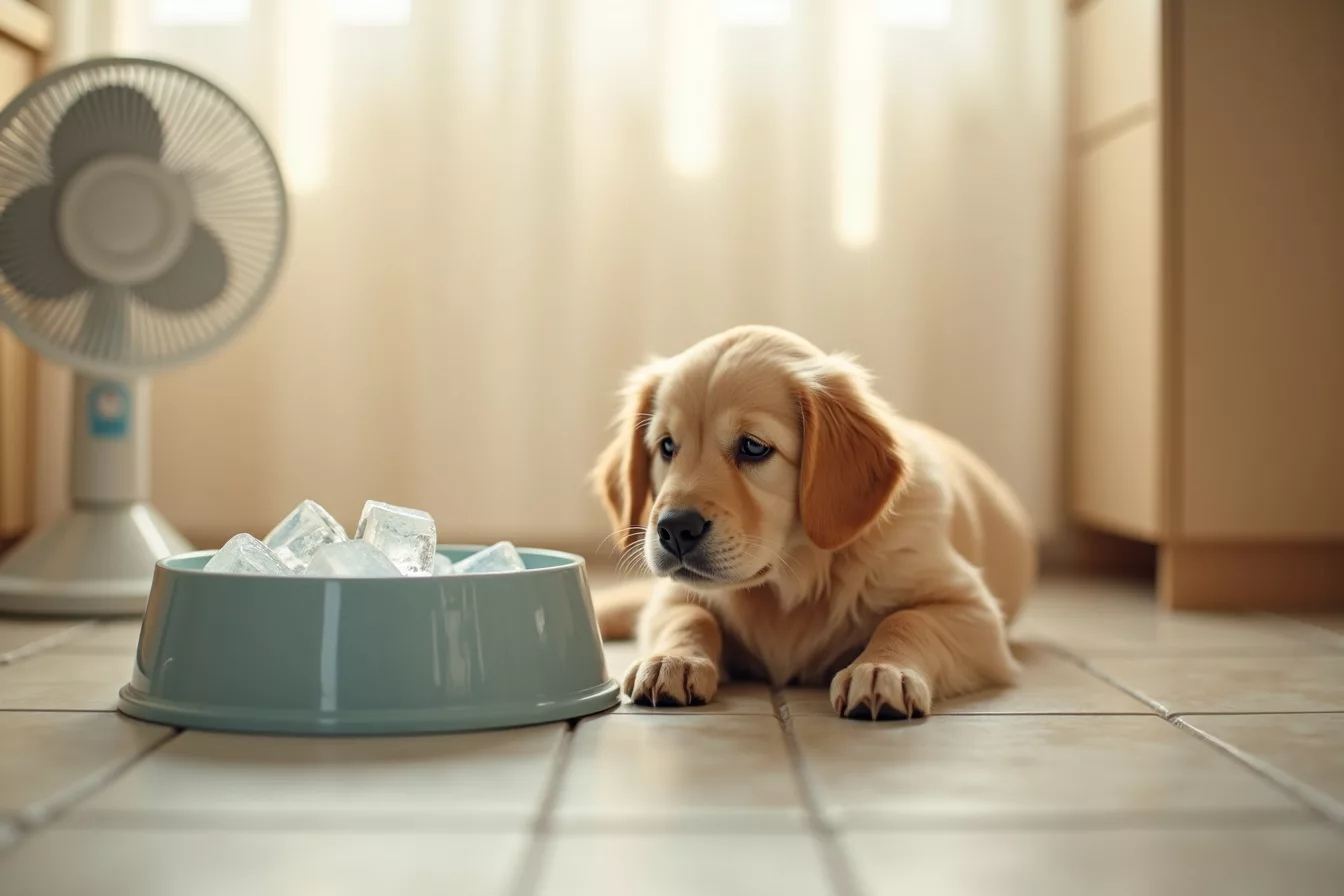
Dr Sarah Mitchell, MRCVS (London Veterinary Practice), recommends creating a “cool zone” in your home before heat arrives. Close curtains at 8am, use reflective window film on south-facing windows, and place a shallow ceramic bowl of ice in front of a fan to create a DIY air cooler. This method brought Bella, a 5-year-old Labrador from Manchester, through last year’s 38°C heatwave safely.
Hydration Is Necessary—But Not Enough Alone
Always provide fresh, cool water. But here’s what many owners miss: multiple water bowls placed around your home and garden encourage drinking. Some pets won’t drink enough from a single bowl, especially if it’s warm by mid-afternoon.
Ice is your friend. Add ice cubes to water bowls twice daily, or freeze low-sodium chicken broth in ice cube trays for a nutritious cooling treat. Wet food (especially tinned) has higher moisture content than dry kibble—consider switching temporarily during heatwaves to boost hydration.
⚠️ Warning
Never leave pets in cars, conservatories, or sheds—even with windows open or “just for 5 minutes.” Heat builds exponentially. Signs of heatstroke include excessive panting, drooling, lethargy, vomiting, or collapse. Call your vet immediately (or the out-of-hours emergency line if closed) if you spot these symptoms. Heatstroke can be fatal within 30 minutes.
Exercise Safely: Timing Is Everything
Don’t skip walks entirely—exercise is essential for mental health. Instead, shift timing dramatically. Walk your dog early morning (before 8am) or late evening (after 7pm) when pavements and air temperature are cooler. Check tarmac temperature with your hand: if it’s too hot for your palm, it’s too hot for paw pads.
During peak heat (10am–5pm), offer indoor enrichment instead: puzzle feeders, sniff games, or water play. A paddling pool in the garden—even a shallow plastic one—allows dogs to cool their chest and belly without the risk of swimming accidents in larger bodies of water.
Grooming and Coat Management
Don’t shave double-coated breeds (Golden Retrievers, German Shepherds, Huskies) entirely. Their undercoat actually insulates against heat. Instead, have a professional groomer thin and deshed the coat, or use an undercoat rake twice weekly to remove loose fur.
Single-coated breeds (Poodles, Spaniels) and short-haired pets benefit from a summer trim. Always consult your groomer or vet about the right length for your individual pet.
Garden Safety and Outdoor Shelter
If your pet spends time outside, provide deep shade—a garden umbrella or pop-up tent isn’t enough in extreme heat. A shed or covered patio with good air flow is ideal. Check that rabbits and outdoor guinea pigs are in the shadiest spot and have ventilation.
Never apply sunscreen unless recommended by your vet, as some formulations are toxic if ingested during grooming. Light-coloured or hairless breeds (like certain Chihuahuas or Sphynx cats) do need sun protection—ask your vet for pet-safe options.
Signs Your Pet Is Struggling
Watch for panting that doesn’t ease, excessive drooling, reluctance to move, confusion, or a bright red tongue. Some pets hide when overheated—check quiet corners of your home regularly. Lethargy and loss of appetite during heatwaves are red flags worth mentioning to your vet, even if the pet seems to recover quickly.
The 2025 PDSA data revealed that owners who checked pets hourly during heat events caught problems 40% earlier than those with less frequent checks. Set phone reminders if needed.
Medication and Health Conditions Matter
Certain medications (like some epilepsy treatments) impair heat regulation. If your pet takes long-term medication, discuss heat risk with your vet before summer. Pets with heart disease, respiratory conditions, or kidney disease are all at elevated risk and need specialist advice.
✅ Expert Tip
Create a “heat plan” document now and share it with family members and pet sitters. Include your vet’s phone number, out-of-hours emergency clinic address, cooling strategies, and a recent photo of your pet. This takes 20 minutes and could save a life.
Final Thoughts
The most overlooked reality? Most UK pets experiencing heatstroke could have been saved with one simple intervention: a structured cooling plan made before summer arrived. Your vet doesn’t expect perfection during heatwaves—they expect preparation. Have you already identified the coolest room in your home and tested your water-bowl strategy? Start now, and your pet will thank you when July arrives.