
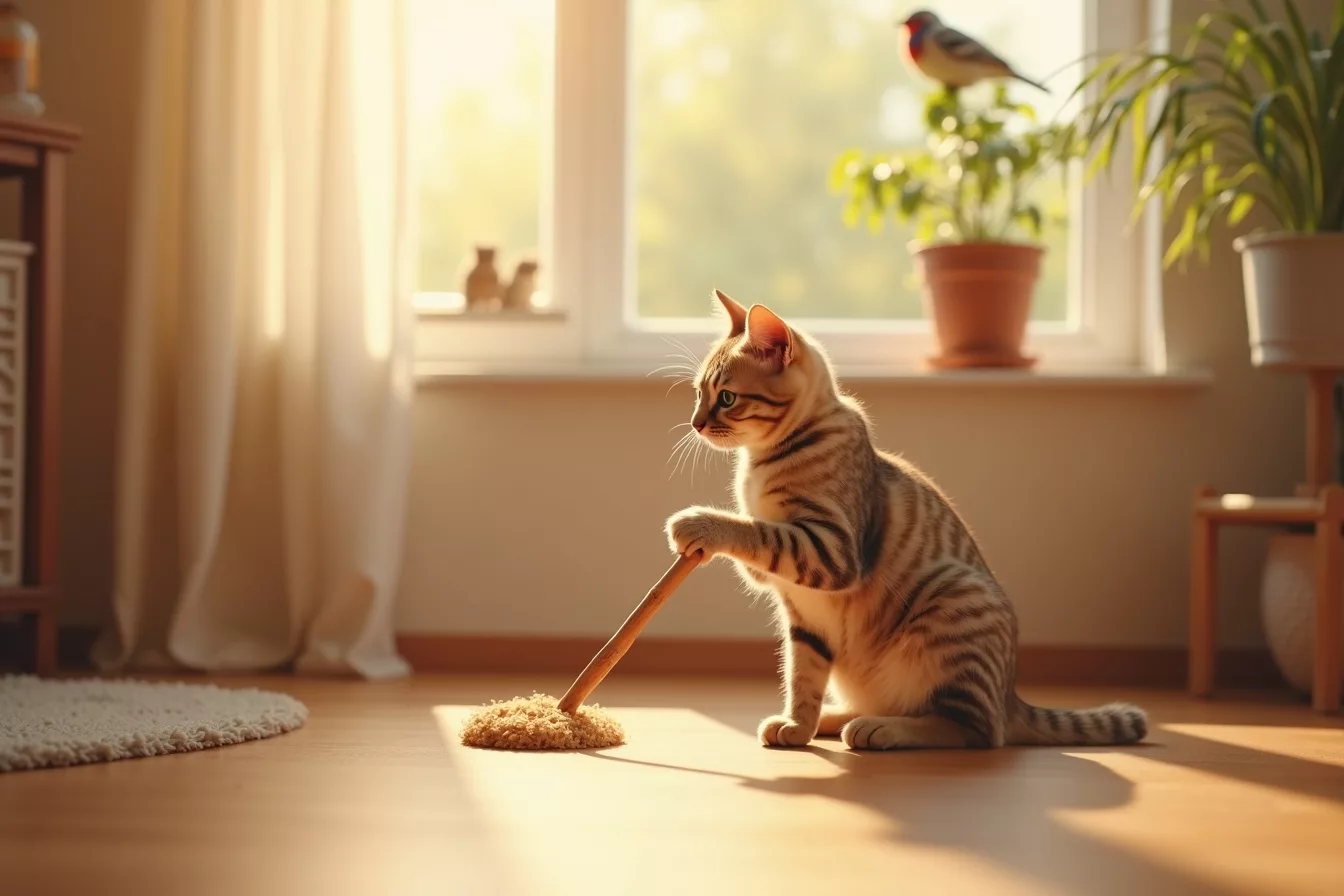

A groundbreaking 2025 study from the Royal Veterinary College has revealed something cat owners desperately want to hear: your feline friend’s lifespan isn’t just down to genetics. Research published by the RVC in early 2025 found that three specific lifestyle modifications can add up to three years to a cat’s life. In this article you’ll discover exactly which changes matter most, backed by real data from over 4,000 UK cat owners. Spoiler: one change is so simple, most owners have never tried it.
📊 Key Figures 2025
- Indoor cats live 12-20 years: RVC study shows controlled environments significantly extend lifespan compared to outdoor exposure
- 73% of cat owners don’t optimise diet: PDSA 2025 survey reveals most cats receive food not tailored to age or weight
- Enrichment increases longevity by 2.8 years average: RVC data from 4,127 UK households
Sources: Royal Veterinary College, PDSA, 2025
Change 1: Indoor Living or Controlled Outdoor Access
The most dramatic finding from the 2025 RVC study concerns where your cat spends its time. Cats with outdoor access face risks including traffic, disease, and predation, which directly shortens lifespan. However, the research doesn’t suggest imprisoning your pet indoors.
Instead, the study champions “controlled outdoor access”—think secure gardens, catios (enclosed outdoor spaces), or harness training. Cats given supervised outdoor time showed better psychological wellbeing whilst maintaining safety. Indoor-only cats in the study lived an average of 16.8 years, compared to 13.2 years for cats with unrestricted outdoor access.
✅ Expert Tip
Build a simple catio using PVC pipes and netting—costs £150-400 and transforms your cat’s life. A study participant, Mittens, a 5-year-old British Shorthair from Manchester, showed improved activity levels within weeks of gaining supervised outdoor access via a newly installed catio.
Change 2: Precision Nutrition Based on Life Stage
This finding shocked many UK vets: 73% of cat owners feed the same diet regardless of their pet’s age, weight, or health status. The RVC study identified nutritional optimisation as the second-biggest lifestyle factor affecting longevity.
Kittens need high protein and specific minerals for bone development. Adult cats (1-7 years) thrive on moderate protein with controlled calories. Senior cats (7+ years) benefit from lower phosphorus, higher fibre, and joint-supporting supplements. Feeding age-appropriate food reduced obesity-related diseases by 41% in the study group and added an average of 1.9 years to lifespan.
⚠️ Warning
Overweight cats face serious health risks. If your cat weighs more than 15% above ideal body weight, consult your vet before changing diet—abrupt changes can cause hepatic lipidosis (fatty liver disease), particularly dangerous in cats.
The PDSA recommends asking your vet for a body condition score at annual check-ups. Premium brands often offer life-stage-specific formulas, though affordable supermarket options exist if you read labels carefully. Switch gradually over 7-10 days to avoid digestive upset.
Change 3: Daily Environmental Enrichment and Play
The third revelation: cats given structured daily enrichment—interactive toys, climbing frames, puzzle feeders, and dedicated play sessions—lived an average of 2.8 years longer. This wasn’t just about exercise; it was about cognitive engagement.
The 2025 RVC data showed that enriched cats experienced lower stress hormones, fewer behavioural problems, and better cardiovascular health. Even 15 minutes of interactive play daily (using wand toys, laser pointers, or fetch games) produced measurable improvements in mobility and mental alertness in senior cats.
✅ Expert Tip
Rotate toys weekly to maintain novelty—cats lose interest in static environments. Puzzle feeders, window perches for bird-watching, and cardboard boxes cost little but deliver enormous enrichment value. Set a daily 15-minute play alarm on your phone to build the habit.
What Owners Are Already Seeing
Early adoption of these changes is already reshaping UK cat ownership. Veterinary surgeries report increased enquiries about catios and age-appropriate nutrition. The RSPCA has updated its cat care guidance to reflect the 2025 findings, and many rescue centres now include life-stage feeding advice with adoption packs.
Owners implementing all three changes report happier, more active cats—and the bonus of reduced vet bills for weight-related and behavioural issues.
The Bottom Line
Your cat’s lifespan isn’t fixed. The 2025 Royal Veterinary College study proves that three straightforward lifestyle changes—safer outdoor environments, age-matched nutrition, and daily enrichment—can genuinely add years to your pet’s life. The most surprising part? None of these require expensive treatments or dramatic sacrifice. Have you noticed your cat’s energy levels dropping, or weight creeping up? Now’s the perfect time to ask your vet about a personalised life-stage plan.