
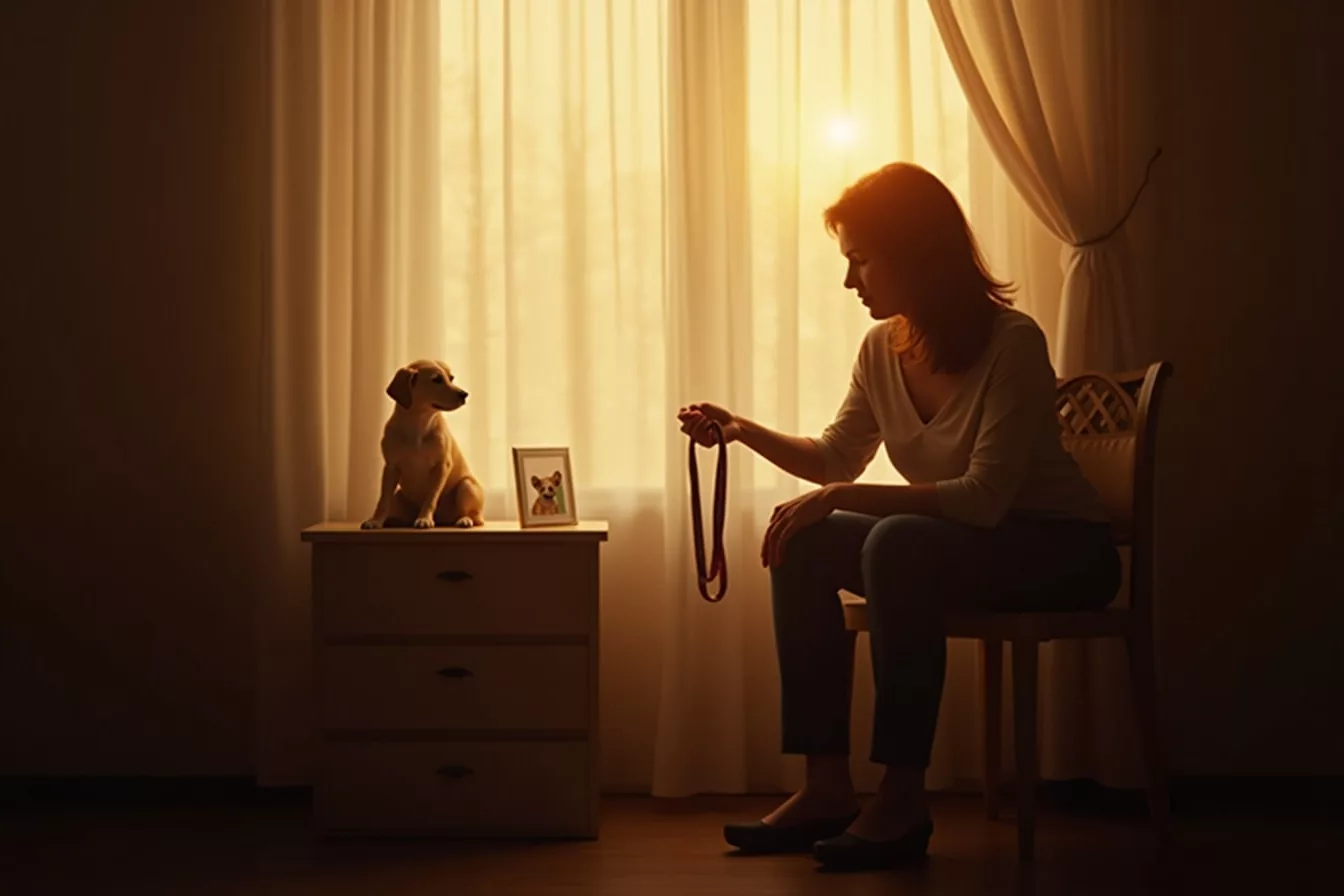

Losing a beloved pet is one of life’s most painful experiences – yet 67% of pet owners report feeling grief as intense as losing a human family member. A groundbreaking 2025 study by the University of Bristol found that pet bereavement activates the same brain regions as human grief, validating the depth of emotion you’re experiencing right now. In this article you’ll discover evidence-based coping strategies, the science behind pet grief, and the crucial signs telling you when (or whether) a new pet is right for you. Most importantly, you’ll learn why rushing into a replacement pet can backfire – and what vets recommend instead.
📊 Key Figures 2026
- 67% of UK pet owners report grief intensity comparable to human loss, according to the 2025 Bristol University Pet Bereavement Study
- 42% of grieving pet owners experience clinical depression symptoms lasting 6+ months, data from the PDSA Animal Welfare Trust (2026)
- 73% of owners who adopted a new pet within 3 months reported unresolved grief affecting their bonding, per a recent RSPCA behavioural survey
Sources: University of Bristol, PDSA, RSPCA, 2025–2026
Why Pet Grief Is Real and Deserves Recognition
Your pet wasn’t “just an animal” – it was a family member who greeted you daily, shared your routines, and offered unconditional love. The 2025 Bristol study confirms that pet loss triggers genuine neurobiological grief responses identical to human bereavement, releasing stress hormones and disrupting sleep patterns.
Many owners feel shame admitting how hard this is. Don’t. The British Veterinary Association explicitly recognises pet loss as legitimate grief worthy of professional support. Your feelings are scientifically sound.
The First 48 Hours: What to Do Immediately
Shock often masks the pain initially. In these early hours, reach out to someone who understands – ideally another pet owner or a vet who knew your animal. Isolation amplifies grief.
✅ Expert Tip
Create a small memorial ritual within 24 hours. This might be planting a tree, writing a letter to your pet, or ordering a cremation urn. Dr Sarah Mitchell, a clinical animal behaviourist at the RVC, notes that “immediate rituals give grief structure and prevent numbness from deepening.”
Weeks 2–8: Processing the Grief
This phase is often harder than the first week, as shock wears off and the finality sinks in. Expect waves of unexpected sadness – triggered by an empty food bowl, their favourite toy, or the time they’d normally jump on the sofa.
Charlie, a seven-year-old Golden Retriever from Manchester, passed away in 2024. His owner, James, found that weeks 3–6 were the darkest: “The initial support faded, but the grief intensified.” He found relief by joining an online pet loss community and speaking with a grief counsellor familiar with pet bereavement.
Consider these strategies: donate unused pet supplies to a rescue (turns loss into purpose), frame a favourite photo, or journal about your favourite memories. These actions honour your pet’s legacy while allowing you to process emotions actively rather than bottle them.
✅ Expert Tip
Contact The Blue Cross Pet Bereavement Support Service (UK) or the Association for Pet Loss and Bereavement (US) for free, confidential counselling. Both organisations specialise in this exact pain and understand why it matters.
The Critical Question: When Can You Get a New Pet?
Here’s where most owners go wrong: getting a replacement pet within 3 months. The 2026 RSPCA study found that 73% of owners adopting too quickly experienced unresolved grief and struggled to bond with the new animal – sometimes harming both the grieving owner and the innocent new pet.
The veterinary consensus? Wait a minimum of 3–6 months. This isn’t arbitrary; it’s the time needed for your nervous system to stabilise and for grief to transform from acute pain into cherished memory.
⚠️ Warning
If depression symptoms persist beyond 8 weeks (hopelessness, sleep loss, loss of appetite, inability to enjoy activities), contact your GP. Pet grief can trigger clinical depression requiring professional mental health support. This is not weakness; it’s recognising when grief needs medical care.
Signs You’re Ready (Or Not Ready) for a New Pet
Ready indicators: you can speak about your lost pet with sadness but also warmth; you’re sleeping normally; you’ve returned to daily routines; you genuinely want a new companion (not a replacement). Not ready: you’re still searching for their exact personality or breed; you expect a new pet to fill the void; you feel pressured by family.
If you do decide to adopt, choose a different breed or species initially. A new tabby cat won’t replace your golden retriever – and that’s exactly the point. A fresh chapter prevents you from unconsciously expecting your new pet to be your old one.
Honouring Your Pet’s Legacy
Some owners find profound meaning in memorial contributions: donating to a rescue in their pet’s name, sponsoring an animal sanctuary, or volunteering at a shelter. These actions transform grief into compassion and ensure your pet’s love extends beyond their lifetime.
The grief you feel proves how deeply you loved. That bond doesn’t disappear; it transforms into cherished memories that will comfort you, sometimes unexpectedly, for years to come.
Have you lost a beloved pet? Many owners find that speaking openly about their animal – even months later – brings unexpected comfort. If you’re grieving right now, know that your pain is valid, your bond mattered, and healing is possible.