
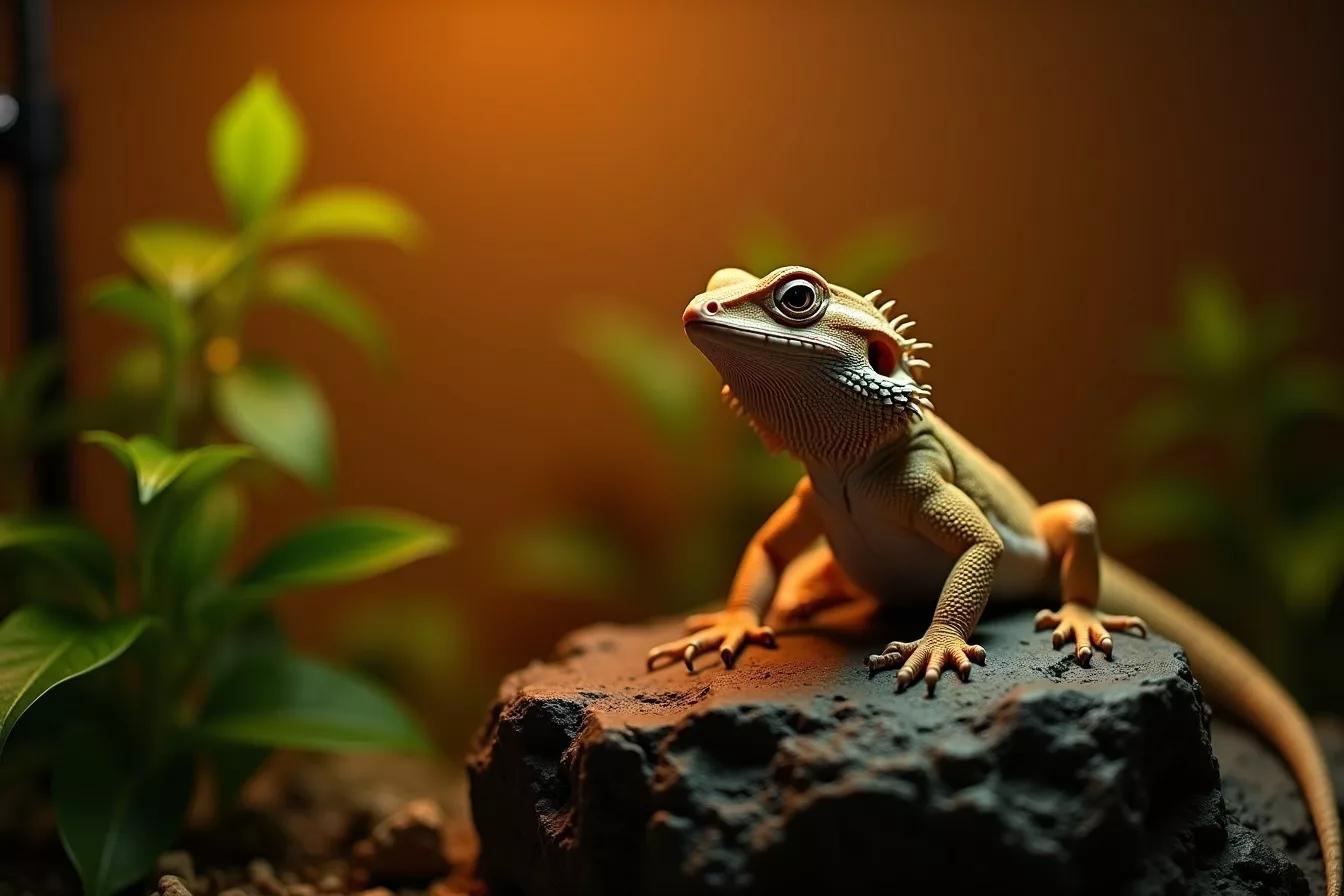

Are ball pythons the new puppy? New data from UK local authorities reveals an extraordinary spike in exotic pet registrations across England and Scotland—and vets are struggling to keep up. A 2024 survey by the British Veterinary Association (BVA) found that exotic pet consultations increased by 47% year-on-year, with councils reporting unprecedented numbers of reptiles, small mammals, and avian companions in British homes. In this article you’ll discover what’s driving this trend, which animals are most popular, and the hidden welfare risks experts are warning about. By the end, you’ll understand why your neighbours might soon be housing more unusual creatures than you’d expect.
The exotic pet boom isn’t a fringe phenomenon—it’s reshaping veterinary care across the UK. The trend mirrors a broader shift in pet ownership post-pandemic, when people sought companionship beyond traditional dogs and cats. But unlike a golden retriever, caring for a bearded dragon or corn snake requires specialist knowledge many new owners simply don’t possess.
📊 Key Figures 2025
- 47% increase in exotic pet veterinary consultations: British Veterinary Association, 2024 audit of member practices
- Reptiles now represent 12% of all UK pet ownership: Up from 4% in 2015, according to PDSA Animal Welfare Report 2024
- Council environmental health teams received 156 incident reports related to illegal or poorly housed exotic animals in the past 18 months (Local Government Association, 2025)
Sources: British Veterinary Association, PDSA, Local Government Association
So what’s fuelling this shift? Social media plays a crucial role. Instagram and TikTok creators showcasing their iguanas, tarantulas, and exotic fish have made unusual pets aspirational—especially among younger pet owners aged 18–35. The cost barrier has also lowered; exotic animals are often cheaper to purchase upfront than pedigree puppies, though long-term care can prove far more expensive.
Councils across the UK are grappling with the consequences. Birmingham City Council reported a 63% spike in complaints about exotic animal welfare between 2023 and 2024, many stemming from improper housing, inadequate temperature control, and dietary errors. Manchester and Leeds environmental health teams have had to recruit specialist advisors to assess reptile and arachnid enclosures.
The most popular exotic pets are ball pythons, bearded dragons, corn snakes, and leopard geckos. These species are relatively hardy, but they still demand precise temperature gradients, species-specific diets, and specialist veterinary care that costs 3–5 times more than routine dog or cat treatment. A single vet visit for a ball python respiratory infection can exceed £200—before medication.
✅ Expert Tip
Before buying an exotic pet, spend at least three months observing one in a specialist reptile shop or through online forums. Milo, a ball python from Bristol, was surrendered to a sanctuary after his owner discovered he required 90-minute weekly feeding sessions and a heated enclosure costing £45 monthly. Research actual behaviour—not Instagram aesthetics—before committing.
⚠️ Warning
Many exotic pet owners unknowingly cause suffering through improper care. Respiratory infections in bearded dragons, metabolic bone disease in geckos, and stress-related behaviours in snakes are common. If your exotic pet shows lethargy, discoloured skin, or loss of appetite, contact a reptile veterinarian—most standard vets lack specialist training. Never attempt to self-diagnose.
The RSPCA and specialist sanctuaries report an alarming increase in exotic animal surrenders. Between January and September 2024, the RSPCA took in over 2,100 unwanted reptiles and exotic mammals—a 34% rise on the same period in 2023. Most were surrendered within the first 18 months of ownership, once the reality of specialised care became apparent.
Veterinary education is struggling to match demand. The Royal Veterinary College (RVC) reports that only 8% of UK veterinary graduates have received formal training in exotic animal medicine. This means many practices can’t offer proper diagnostics or treatment, forcing owners to travel hours to specialist clinics. In rural areas, access to exotic veterinary care remains virtually non-existent.
Regulation remains fragmented. Whilst some councils actively monitor exotic pet welfare, others lack resources or expertise. Unlike dogs and cats—where the Animal Welfare Act 2006 provides clear ownership standards—exotic pet legislation is scattered across the Dangerous Wild Animals Act, Wildlife and Countryside Act, and local bylaws. A ball python faces far fewer statutory protections than a rabbit.
The pandemic accelerated this trend significantly. Home-working culture and lockdown isolation led people to seek unique companionship. Reptiles appealed to individuals with allergies or noise concerns. But once offices reopened and routines changed, many realised they’d underestimated the commitment required.
Looking ahead, veterinary organisations and councils are calling for stronger pre-purchase education and licensing. The BVA recommends mandatory care sheets before purchase and mandatory insurance for species requiring specialist housing. Some forward-thinking local authorities in London and Edinburgh are piloting welfare checklists for exotic pet buyers.
The exotic pet boom reflects a real appetite for connection with nature in our urbanised world—but it’s come at an animal welfare cost. The 47% surge in exotic consultations and rising sanctuary intakes suggest many owners are unprepared for the reality of specialist care. Before you bring home that bearded dragon or corn snake, ask yourself honestly: can you commit to 15–20 years of specialist veterinary costs, precise environmental control, and species-specific expertise? Have you noticed exotic pets becoming more common in your neighbourhood?