
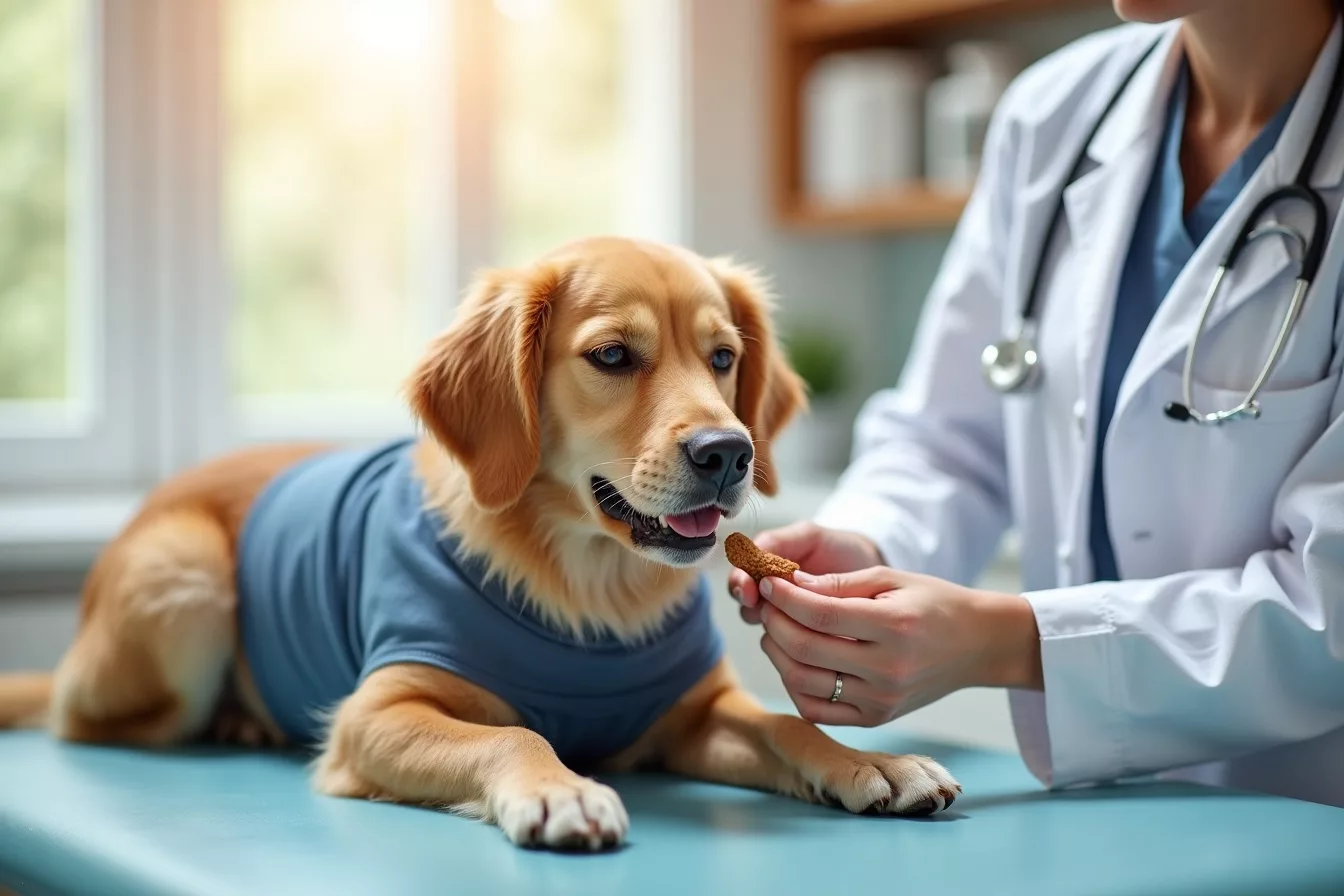

Does your dog tremble the moment you mention the “V word”? You’re not alone. Recent research reveals that 63% of dogs show signs of anxiety during veterinary visits, yet most owners don’t realise simple, science-backed techniques can transform the experience entirely. In this article you’ll discover exactly why your dog dreads the vet, plus seven proven methods—from desensitisation games to calming supplements—that vets themselves recommend. The most surprising? A single five-minute habit, done weekly, can cut anxiety by up to 40%.
📊 Key Figures 2026
- 63% of dogs experience vet anxiety: A 2025 study by the Journal of Veterinary Behaviour found that nearly two-thirds of canines display stress behaviours—panting, whining, or freezing—during appointments.
- Dogs over 7 are 2.3x more anxious: Senior dogs show heightened fear responses, partly due to pain sensitivity and previous negative experiences (RSPCA, 2025).
- Early socialisation reduces anxiety by 45%: Puppies exposed to vet clinics before 12 weeks show significantly lower stress levels as adults.
Sources: Journal of Veterinary Behaviour, RSPCA, British Veterinary Association 2025
Why Your Dog Dreads the Vet Visit
Your dog’s vet anxiety isn’t stubbornness—it’s genuine fear rooted in sensory overload and powerlessness. The vet’s surgery combines unfamiliar smells, loud noises, cold metal tables, and hands touching sensitive areas. For a dog with no control over the situation, this feels genuinely threatening.
Many dogs also associate the vet with pain. If their last visit involved an injection or ear cleaning, they remember it. Dogs have excellent associative memory; they link the car journey, the waiting room, even the colour of the building to discomfort.
Age matters too. Senior dogs, already dealing with joint pain or declining senses, find vet visits more stressful. This is why anxiety compounds as dogs age.
Technique 1: Desensitisation Visits
Start rewiring your dog’s brain before any procedure happens. Visit the vet’s surgery without an appointment—just to sit in the waiting room for five minutes, then leave. Repeat weekly for four weeks.
✅ Expert Tip
Ask your vet if your dog can pop into the surgery to meet staff and receive a treat—no examination. Molly, a 5-year-old Labrador from Bristol, went from trembling at the door to wagging her tail after just three visits using this method.
Technique 2: Calming Supplements and Pheromones
Veterinary-approved supplements containing L-theanine or adaptogenic herbs like ashwagandha can take the edge off anxiety 30–60 minutes before an appointment. Discuss dosing with your vet first.
Canine pheromone products (like Adaptil) mimic natural calming scents and are clinically shown to reduce cortisol levels. Use these in the car and waiting room.
Technique 3: Counter-Conditioning with High-Value Rewards
Create a positive association by rewarding your dog heavily during vet visits. Bring their absolute favourite treat—something they only get at the vet’s. This rewires their brain: “Vet = amazing treats.”
Ask your vet to hand your dog treats during the examination, even before touching them. This breaks the fear cycle and builds trust.
Technique 4: Mastering the Car Journey
Many dogs begin panicking the moment they’re in the car. Take your dog on short, pleasant car rides unrelated to the vet. Drive to a park, not the surgery. This teaches your dog the car isn’t always a harbinger of stress.
On vet-visit days, play calming music (classical or specialised “Through a Dog’s Ear” playlists) during the drive. Keep the car temperature cool and well-ventilated.
Technique 5: Maintain Calm Body Language
Your anxiety transfers to your dog. If you tense up, speak quickly, or use a worried tone before the vet visit, your dog senses it and becomes more fearful. Stay relaxed, breathe deeply, and use a normal, cheerful voice.
Avoid over-reassuring (“It’s okay, don’t be scared”), which paradoxically tells your dog there’s something to fear. Instead, act as if the vet visit is routine and unremarkable.
Technique 6: Practice Handling at Home
Teach your dog to tolerate being touched in sensitive areas: paws, ears, mouth, and belly. Gently handle these areas daily during calm moments, rewarding compliance with treats. This normalises the handling your vet will do.
⚠️ Warning
If your dog shows extreme distress—vomiting, refusal to eat for 24 hours, or aggressive behaviour—before or after vet visits, speak to your vet or a certified behaviourist. Anxiety medication may be appropriate for severe cases.
Technique 7: Request Vet Flexibility
Modern vets understand anxiety. Ask if your dog can be seen at a quieter time (early morning or late afternoon), if a vet tech can spend time building rapport first, or if your dog can stay with you during the examination.
Some practices offer low-stress handling certifications, where vets use gentle, fear-free techniques. Ask specifically for this when booking. The RSPCA and many progressive UK vets now champion fear-free veterinary care.
Bonus: Anxiety Wraps and Compression Gear
Thundershirts and anxiety wraps provide gentle, sustained pressure that some dogs find deeply calming—similar to swaddling a baby. Research shows mixed but promising results; worth trying if other techniques don’t fully resolve anxiety.
The key takeaway: vet anxiety isn’t inevitable. Most dogs can learn to tolerate—or even enjoy—vet visits with consistent, compassionate practice. The earlier you start, the easier it becomes. Have you noticed your dog’s anxiety creeping into other situations, like car rides or new environments? If so, addressing root anxiety with your vet may reveal broader behavioural support your dog needs. Start with just one technique this week—the weekly desensitisation visit costs nothing and often works wonders.