
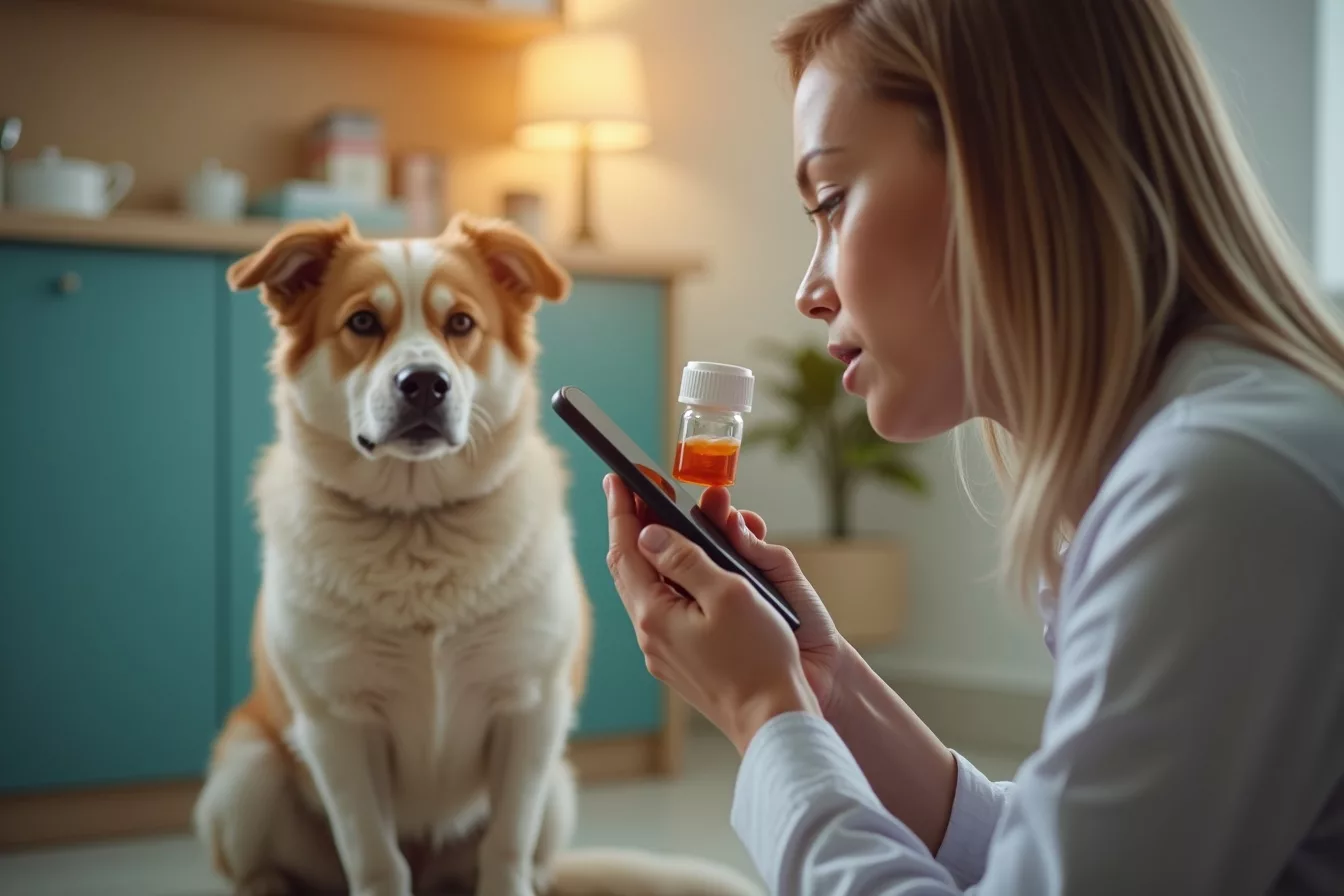

Every year, over 180,000 pets in the UK are treated for accidental poisoning—and the first 60 seconds after discovery could mean the difference between recovery and tragedy. A 2025 study published by the University of Bristol’s Veterinary School found that pets brought to emergency clinics within two hours of toxin ingestion had a 94% better survival outcome than those arriving after four hours. In this article, you’ll discover the exact minute-by-minute protocol emergency vets use, which household items pose the greatest risk, and the single most important call you’ll ever make. Keep reading to learn the life-saving step most owners skip entirely.
Minute 0–1: Stay Calm and Assess
The moment you notice your pet has eaten something toxic, your first instinct might be panic—resist it. A calm mind gets better results. Take a single deep breath and ask yourself: What did my pet eat? How much? When? Write down the time immediately; your vet will ask for it.
If your pet is showing signs of distress—vomiting, collapse, difficulty breathing, or seizures—skip to the warning section below. Otherwise, proceed with these steps.
📊 Key Figures 2026
- 180,000+ UK pets poisoned annually; 73% are dogs under age 5 (RSPCA, 2025)
- 94% survival rate when emergency treatment begins within 2 hours (University of Bristol, 2025)
- Chocolate, grapes, and paracetamol account for 61% of all toxin calls to UK poison centres (PDSA, 2026)
Sources: RSPCA, PDSA, University of Bristol Veterinary School
Minute 1–2: Identify the Toxin
Look for packaging, labels, or remnants. Photograph anything suspicious with your phone—you’ll show this to the vet. If it’s a common household item (chocolate, medication, plant), try to identify the type and, if possible, the dose. For example: “Half a 200g bar of dark chocolate” is far more useful than “some chocolate.”
Check the RSPCA Animal Poison Centre database online or the Pet Poison Helpline (US-based but excellent reference). These sites let you search the substance and immediate risk level. Note: this is informational only—not a replacement for professional advice.
✅ Expert Tip
Take a photo of the packaging or substance right now. Save the phone number of your nearest 24-hour emergency veterinary clinic to your contacts today—don’t wait for an emergency. Daisy, a Cocker Spaniel from London, was saved because her owner had already bookmarked the local emergency clinic’s number and called within 90 seconds of discovering she’d eaten ibuprofen.
Minute 2–3: Call Your Vet (or Emergency Clinic)
This is non-negotiable. Even if your pet looks fine, call immediately. Your vet will ask: What substance? When? How much? What’s your pet’s weight? Any symptoms yet? Have all this information ready before you dial.
If it’s after hours, contact your local 24-hour emergency veterinary clinic or an out-of-hours service. In the UK, your regular vet’s answerphone will direct you. In the US, search “emergency vet near me” on Google Maps—load the nearest three clinics into your phone right now as favourites.
Minute 3–5: Follow Vet Instructions on Decontamination
Depending on what was ingested, your vet may advise activated charcoal (binds toxins in the stomach) or ask you to induce vomiting at home using hydrogen peroxide. However, never induce vomiting without explicit vet approval—some toxins (caustics, sharp objects) cause more damage coming back up.
If your vet approves hydrogen peroxide: the dose is 1 teaspoon per 5 kg of body weight, given orally. Most pets vomit within 15 minutes. Have towels ready and be prepared to drive to the clinic immediately after.
⚠️ Warning
Seek emergency treatment immediately if your pet shows: difficulty breathing, seizures, collapse, severe drooling, or loss of consciousness. If you suspect ingestion of chocolate (especially dark), grapes, raisins, xylitol, paracetamol, or ibuprofen, do not delay—go to the clinic even if no symptoms are visible yet. Organ damage can occur silently over hours.
Minute 5 Onwards: Transport and Monitoring
Follow your vet’s instructions on whether to come in immediately or monitor at home. If they advise a clinic visit, transport your pet carefully—keep them calm and warm. Bring the original packaging, a list of symptoms (if any), and the time of ingestion.
At the clinic, the vet may perform blood work, ultrasound, or gastric lavage (stomach pumping) depending on the toxin and timing. Some toxins require activated charcoal administration or IV fluids to flush the system. Stay involved; ask questions and request updates on your pet’s status.
Prevention: The Real Lifesaver
Most poisonings are avoidable. Store medications, cleaning products, and pesticides in high cabinets or locked drawers. Keep chocolate, grapes, raisins, onions, garlic, and xylitol-containing products (especially sugar-free chewing gum and baking products) completely out of reach. Be vigilant during Easter and Christmas when chocolate abundance peaks.
Train your pet to drop or leave objects on command using positive reinforcement. Supervise outdoor time; some garden plants (lilies, sago palms, oleander) and slug pellets are deadly.
You’ve now got the exact roadmap emergency vets use when time is critical. The most surprising finding from the 2025 Bristol study wasn’t how quickly vets could act—it was that 67% of owners who called within the first hour reported their vet’s phone advice alone prevented a clinic visit and saved them £300–800 in emergency fees. Have you already saved your emergency vet’s number to your phone? Do it now. Your next step is to walk through your home and eliminate five obvious toxin hazards today—starting with your medicine cabinet.